
CEO of Time to Stand Up for Israel
Before the Dust Settles, Bring Every Soul Home
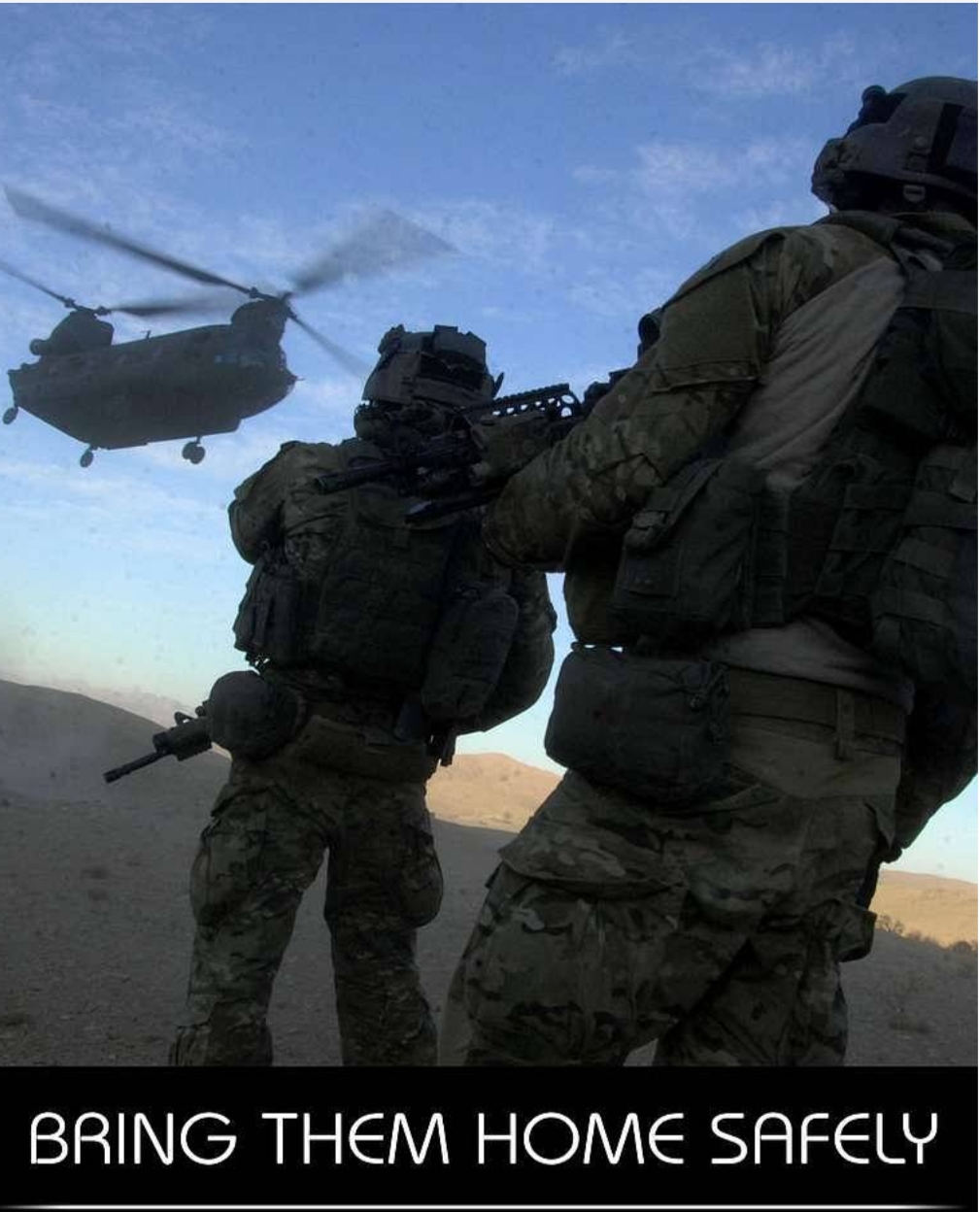
Soldiers at war
The Final Push: Why Israel Must End the War Decisively
As the war in Gaza stretches into its most difficult and draining phase, one thing has become increasingly clear: this conflict must be brought to a conclusive end and soon. The ongoing negotiations with Hamas for the release of hostages have stalled yet again, leaving families in agonizing uncertainty. At the same time, internal support for the war is beginning to erode under the weight of loss, fatigue, and emotional exhaustion. Israeli society is tired. Soldiers long to return home, to rebuild their lives, and to begin healing. But for any of this to happen, the war must end and not with ambiguity, but with a decisive victory, including the release of the remaining 58 Israeli hostages. This is a non-negotiable condition. These men have been held in brutal captivity for months, used as pawns by Hamas to gain leverage while inflicting ongoing psychological torture on their families and the entire nation. No responsible government can agree to a ceasefire while its own citizens are still being held by a terrorist group. Ending the war without bringing them home would not only be a moral failure, but a strategic mistake, signaling to enemies that kidnapping Israelis yields results. The return of every last hostage must be part of the final military or diplomatic outcome. Only then can the Israeli people begin to heal, and only then can any talk of a post-war future carry real legitimacy.
This all is not merely a political or military calculation, it is a moral and national imperative. To stop now, without dismantling Hamas’s terrorist infrastructure and securing the return of all hostages, would not only embolden Israel’s enemies but also dishonor the sacrifice of every soldier who has fallen since October 7.
Prime Minister Netanyahu faces an unenviable dilemma, but history will judge him not for the duration of the war, but for how it ends. An inconclusive ceasefire would only prolong the suffering and leave Israel vulnerable to future attacks.
Hamas has proven time and again that it is not a partner for peace. It is a fanatical organization that uses civilians as human shields, diverts humanitarian aid to its military wing, and has no intention of coexisting with a Jewish state. Since 2006, when it violently took over Gaza, Hamas has turned the Strip into a launchpad for terror and a prison for its own people. To allow Hamas to survive this war would be to guarantee future wars.
This is why Israel must prepare for one final, comprehensive offensive. It must be large-scale, relentless, and aimed at completely dismantling Hamas’s remaining command centers, rocket-launching infrastructure, and leadership networks. Yes, such operations come with significant challenges, including the risk of civilian casualties. But Israel, more than any other democracy, goes to extraordinary lengths to minimize harm to non-combatants, dropping leaflets, making phone calls, and even aborting missions when too many civilians are nearby. These efforts must continue, but they cannot paralyze Israel’s ability to finish the mission.
Part of this final push will require tough and uncomfortable measures. Security forces will need to enter remaining Hamas strongholds and arrest adult males for screening. Those who are innocent should be released quickly and respectfully, but those found to have assisted in terrorism must face justice. Only by removing the core of Hamas’s support structure can the threat be neutralized. This is not about collective punishment, it is about restoring security and order.
Ending the war decisively also holds the key to freeing the remaining Israeli hostages. As long as Hamas believes it can use them as bargaining chips, it will prolong negotiations and use ceasefires to regroup. A strong, final military offensive can create pressure that no negotiating table can provide. Once Hamas’s leadership feels the walls closing in, they may finally concede to a deal. If not, Israeli forces must be prepared to locate and rescue the hostages directly.
Critics may call this vision utopian, but Israel has defied expectations before. It withdrew from Gaza in 2005, hoping for peace, and instead got rockets. It absorbed the blow of October 7 with grief and unity, and now it must finish what it started. A secure, demilitarized Gaza, perhaps even administered temporarily by a multinational force, could open the door for long-term humanitarian and political rebuilding.
Ultimately, ending this war is not just about defeating Hamas. It’s about giving Israelis a chance to live in peace without running to bomb shelters. It’s about giving the people of Gaza the chance to be free from the tyranny of terror. And it’s about ensuring that the next generation, both Israeli and Palestinian, inherits a region not defined by endless war, but by the hope of coexistence.
Israel can do this. It has the resilience, the moral clarity, and the support of many allies around the world. The war has been long and painful, but the final chapter must be written with determination, purpose, and vision. This is Israel’s moment, onot to escalate blindly, but to finish wisely and win justly.
Related Topics
Related Posts