
The perpetual cyberabbi!
Before the Garden Is Gone
Learning to recognize blessing while we are still standing in it
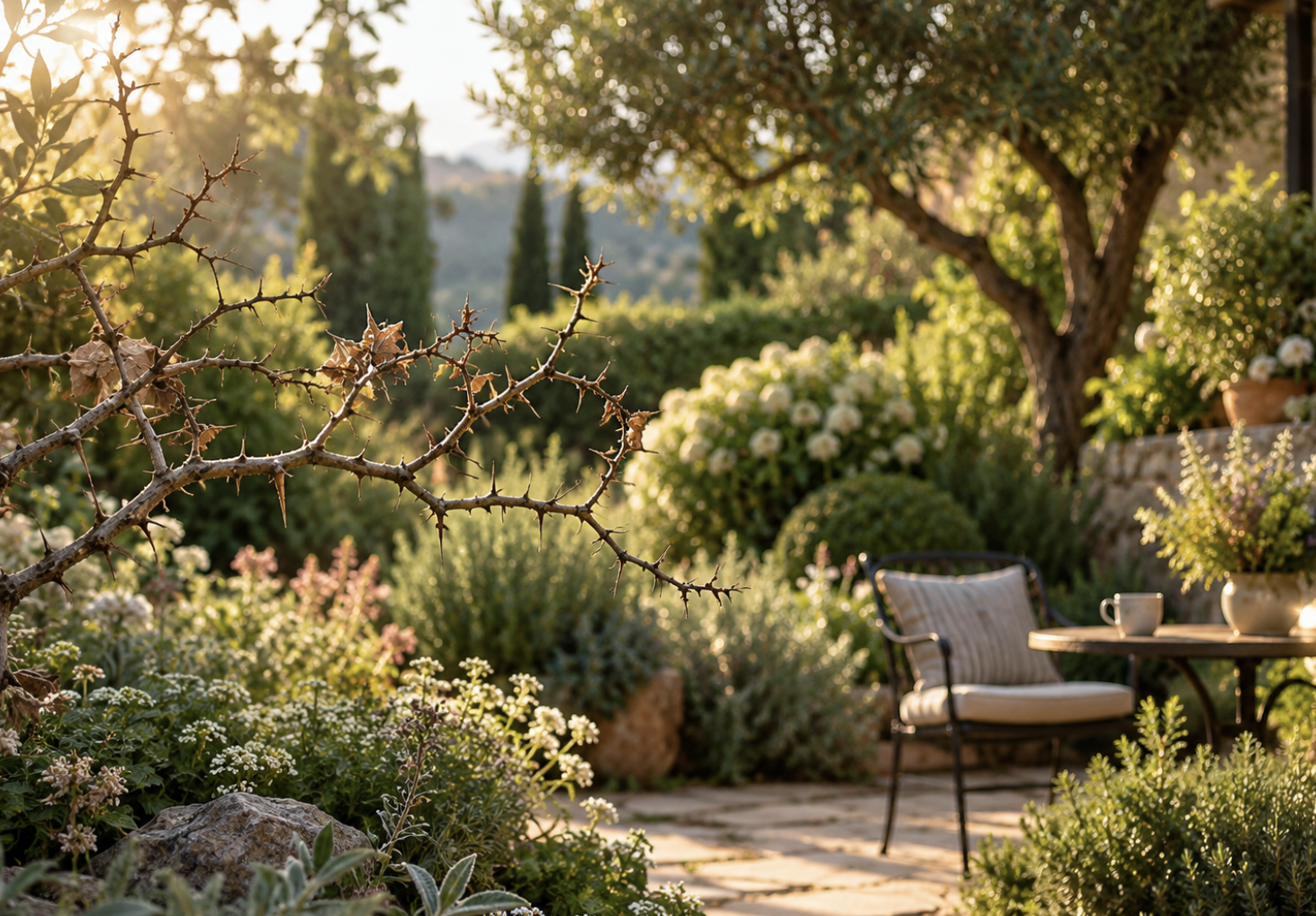
There is a curious detail in the Torah’s second account of creation. God forms the human being first. Only afterward does God plant the Garden of Eden and place the human being inside it. The order seems strange. Why create Adam outside the garden and then move him into it? Why not simply create him there?
The medieval commentator Ḥizkuni offers an intriguing answer. Adam, he suggests, needed to see what existed outside Eden. Had he been created within the garden, he might have assumed that the whole world looked like that. By first encountering a landscape of thorns and difficulty, Adam could understand that the garden into which he was being placed was something extraordinary. In other words, Adam needed contrast in order to recognize blessing. I understand the psychology.
We often know what something means only after encountering its opposite. We appreciate health after illness. Security after uncertainty. Companionship after loneliness. A quiet house after chaos. Sometimes we do not fully understand what a relationship meant until it is no longer available to us. But Ḥizkuni’s interpretation leaves me with an uncomfortable question. Must we always see the thorns before we can recognize the garden?
There is something deeply human about the way blessing gradually disappears into normality. Think of something you once desperately wanted. A particular job. A home. A relationship. Recovery from an illness. Financial stability. The birth of a child or grandchild. Admission to a school. Citizenship in a country you hoped would become home. Receiving it may once have felt almost miraculous. Then something happens. It becomes Tuesday. The extraordinary becomes ordinary. The gift becomes part of the furniture of our lives. What once inspired gratitude slowly becomes an expectation. The blessing has not disappeared. Our awareness of it has. That is a subtle spiritual danger of abundance. Not greed exactly. Not ingratitude in the crude sense. Inattention. We stop noticing.
Jewish tradition has a phrase usually associated with gratitude: hakarat hatov. But the Hebrew is more precise. It means recognizing the good. That distinction matters. Gratitude begins before saying thank you. It begins with the ability to perceive that something is good, that it was not inevitable, that its presence in our lives should not simply be taken for granted.
That may help explain why Jewish practice surrounds ordinary existence with blessings. We bless before eating. We bless afterward. We give thanks upon waking. We mark recovery from danger. We bless moments of joy. We acknowledge seasons, natural phenomena, new experiences, even difficult news. The traditional Jewish day repeatedly interrupts itself to say, in effect: Notice this. Not because God requires applause. I have difficulty imagining the Creator of the universe anxiously waiting for compliments. The blessings are addressed to God, but they also work on us.
Ben Zoma asks in Pirkei Avot, “Who is rich?” His answer is famous: Ha-sameach b’chelko. The one who rejoices in his portion. Notice what he does not say. He does not say that the rich person is the one who realizes how much more he possesses than somebody else. That would make gratitude dependent upon comparison. I appreciate my house because someone else’s is smaller. I appreciate my health because someone else is ill. I appreciate my security because someone else lives with fear. There may be moments when witnessing deprivation awakens us to what we possess. But surely that cannot be the highest form of gratitude. Other people’s suffering should not be necessary for me to recognize my blessing. The deeper spiritual task is to recognize the good without needing someone else’s misfortune as a measuring stick.
And that brings me back to Adam. Ḥizkuni imagines God allowing the first human being to see the thorns before entering Eden so that he would understand what he had been given. But we know what happens next. Even Eden becomes insufficient. There is an entire garden available to Adam and Eve, yet their attention gathers around the one tree that is unavailable to them. That, too, is painfully human. We can possess ninety-nine blessings and become consumed by the hundredth thing we lack. Maybe that is why gratitude in Judaism is less an emotion than a discipline.
Feelings cannot be commanded reliably. Some mornings I awaken overwhelmed with gratitude. Other mornings I do not. Jewish practice does not wait for the feeling. It says the words anyway. Notice. Bless. Remember. Give thanks. And through repetition, something begins to happen. The deed educates the heart. The practice shapes the person. That is why I have become less interested in telling people that they “should be grateful.” Gratitude cannot simply be demanded, particularly from someone carrying genuine pain, disappointment, or loss.
The more useful question is whether we can cultivate the capacity to notice what remains good even in an imperfect life. Not to deny the thorns. Not to pretend suffering is blessing. Not to silence legitimate longing. But also not to allow what is missing to make everything present disappear. There are gardens in our lives that will not remain forever. People we love will not always be with us. Bodies change. Abilities diminish. Places and relationships that now seem permanent eventually become memories. Loss will teach all of us something about gratitude. The question is whether loss must always be our teacher.
Ḥizkuni’s Adam had to see the world outside Eden before he could understand the garden. Our challenge may be harder. Can we recognize Eden while we are still inside it? Can we look at the ordinary people, routines, abilities, relationships, and responsibilities that compose our lives and recognize that some of what now feels commonplace was once something we hoped for, prayed for, or could scarcely imagine possessing?
The spiritual task is not merely to become grateful after the garden is gone. It is to learn to recognize the garden while we are still standing in it.
Related Topics