Beyond the Trees: A Meteorologist’s Case for Faith-Based Climate Action
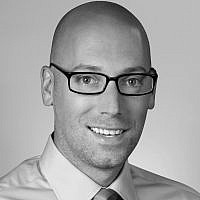
I am a meteorologist and climate communicator. For me, talking about the weather and climate, whether on television, cellphones, or inside an emergency operations center, never gets old. I know that the better I communicate a weather risk, the fewer people get hurt, the faster a community recovers, and the more money a company saves.
But even a perfect message has to reach the right ear. I take weather deaths personally. Every child killed by the heat during sports practice, every grandmother lost to an arctic blast without power, and every drowning from a storm surge represents a failure somewhere in the weather communication enterprise.
I am also a Jew, shaped by a tradition that teaches us to protect the environment and strive to save lives. In Genesis, humanity is placed in the Garden to avad (to work and serve) and shamar (to guard and protect) the land. The laws of bal tashchit prohibit needless destruction, insisting that caring for the Earth is a sacred obligation. The Talmud teaches that whoever saves a single life is considered to have saved the whole world.
For me, meteorology and Judaism are inseparable. Both insist that when danger is coming, you must act. Silence is not neutral. It is a choice, and often a deadly one.
That is why Tu Bishvat, the Jewish New Year of the Trees on February 1 and 2, matters so much. It is not just a symbolic date or a chance to eat dried fruit. It is a reminder that faith without action is incomplete, and care without courage changes nothing.
We are living in a moment of contradiction. Concern about climate change is widespread. According to the Yale Program on Climate Change Communication’s Fall 2025 report, 61% of Americans say clean energy should be a high national priority. Yet, when voters name their most important issue, just 1% choose climate change. While many say they care, a majority admit they rarely talk about climate change with friends and family. More than nine in ten registered voters support requiring companies to protect workers from dangerous heat, but only 10% have ever contacted a government official about their climate concerns.
In my profession, that kind of disconnect is dangerous. Imagine seeing a hurricane forming and choosing not to warn the public. That would be negligence. That would cost lives.
Tu Bishvat calls us to close the gap between belief and action. Planting trees is sacred work. They cool neighborhoods and store carbon, but trees alone cannot protect workers collapsing in record heat or stabilize a climate unraveling at this speed. For that, we need policy. Policy protects people, and people change policy.
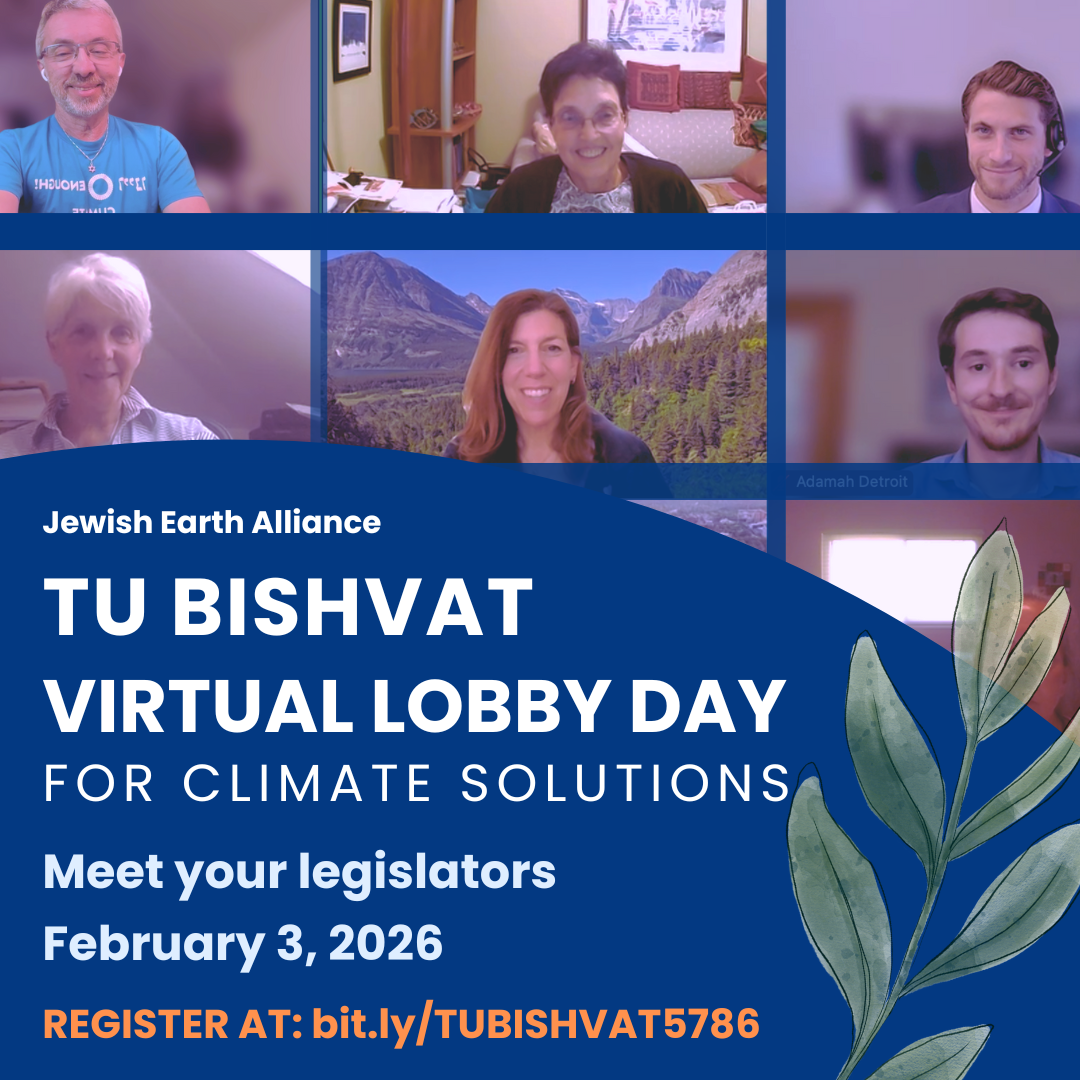
That is why the Jewish Earth Alliance’s Tu Bishvat Virtual Lobby Day on February 2 is so urgent. This is where faith becomes visible and values move from private concern to public responsibility. It is about telling lawmakers that you possess the moral clarity to know change is needed.
You do not need to be a scientist. You do not need perfect words. You need conviction. Yale’s research shows that nearly one-third of voters would contact their elected officials if asked by someone they trust. Consider this the ask.
I write as someone who has seen how quickly warnings become wreckage. The data is no longer subtle. The storms are stronger. The heat is deadlier. The risks are already here, measured in emergency room visits and displaced families.
This responsibility does not belong only to Jews. Some of the most powerful climate work I have witnessed has happened across faiths. Jews, Christians, and Muslims demanding a livable future together. Tu Bishvat may be Jewish, but its message is universal. We share this planet and its fragility.
Our tradition never asks us to solve everything. It simply asks us to show up. To speak when silence becomes harmful. To protect life because life is sacred.
Join the Jewish Earth Alliance’s Virtual Lobby Day on February 2. Register here. Show up. Meet with your members of Congress. Tell them that climate action is a moral obligation. Tell them there are actual steps we can take to ensure fewer children die from heat just playing outside and fewer families freeze in their homes.
The storm is already here. What remains is whether we have the courage to respond.