
Bibi’s US Aid Exit won’t end US leverage & a Smarter Path
The Roots of Frustration: Why Israel Craves Independence
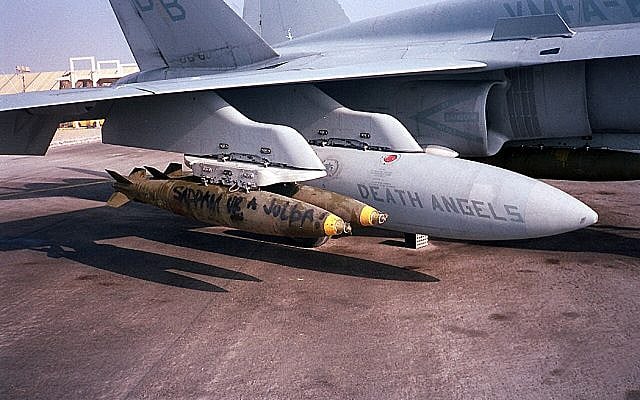
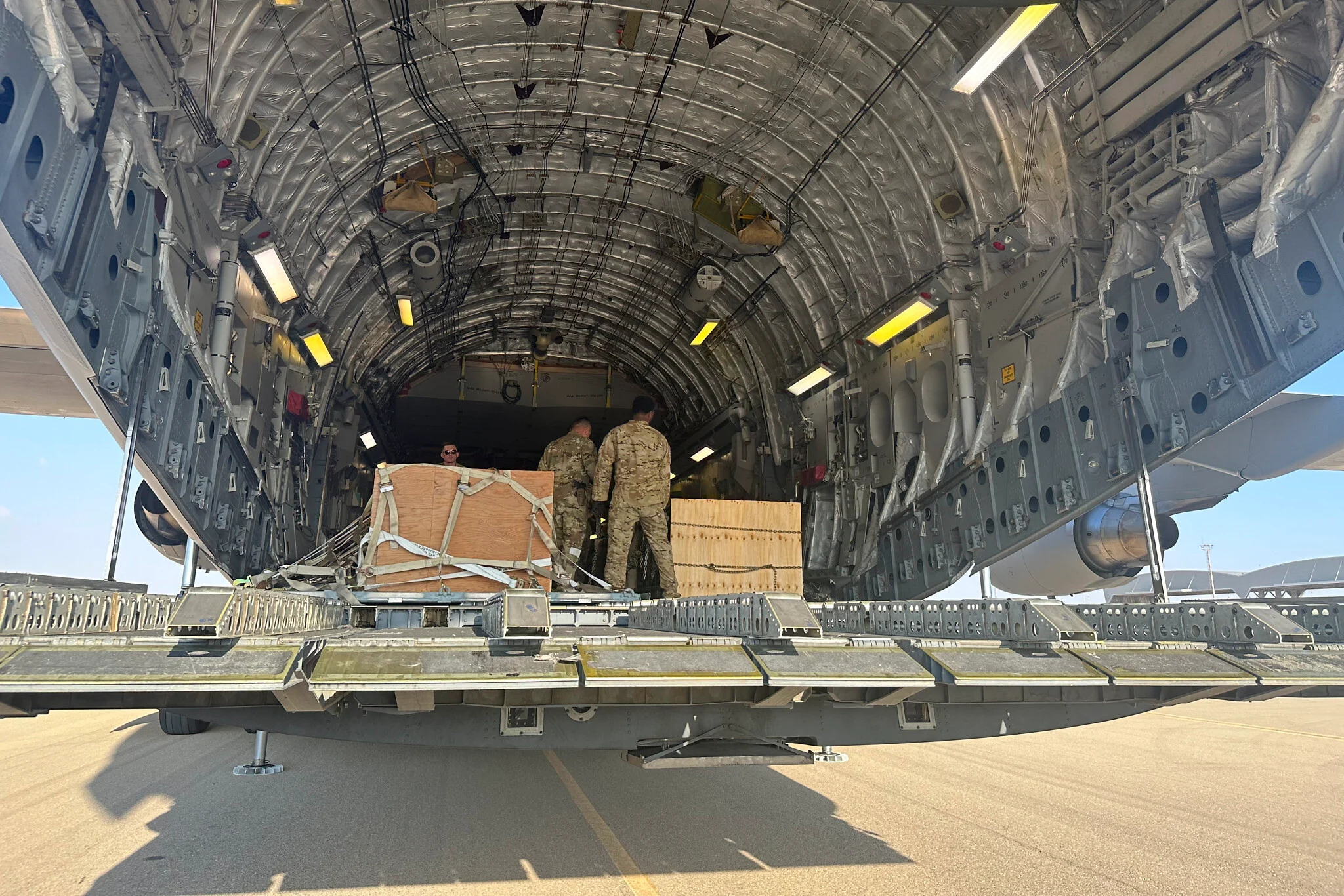
Netanyahu has publicly blamed such pauses for endangering Israeli soldiers, arguing they erode operational freedom. This leverage extends beyond financial aid to arms imports themselves, with the United States accounting for approximately 66 percent of Israel’s total arms imports and Germany contributing about 33 percent, according to data from the Stockholm International Peace Research Institute (SIPRI) for the period 2020-2024. Such heavy reliance on just two suppliers creates an unhealthy concentration, making Israel susceptible to disruptions or political pressures from these key partners.
Economically, the case is compelling too. Israel’s GDP has ballooned from $200 billion in 2000 to over $500 billion today, making it a high-tech powerhouse. Yet aid now covers just 15-20% of the IDF’s $24 billion annual budget—down from 30% a decade ago—suggesting Israel could fund more domestically. Strategically, dependence fosters a “defensive mindset,” as former Ambassador Michael Oren has noted, prioritizing systems like Iron Dome over offensive innovations. In a multi-front war, where Hezbollah alone fires 5,000 rockets daily, flexibility is survival.
Moreover, this push for independence is also about mitigating long-term political risks in the United States. American politics is inherently cyclical, with power shifting between parties over time. One major party, the Democrats, has shown increasing criticism—and at times outright hostility—toward certain Israeli policies, particularly regarding military operations in Gaza and the West Bank. Under both the Obama and Biden administrations, weapons dependency was wielded as a tool to pressure Israel into altering or halting actions deemed essential for its national security, often prioritizing US diplomatic goals that conflicted with Israel’s immediate defense interests. To hedge against inevitable future shifts in US leadership, Israel must reduce vulnerabilities that could allow any administration to blackmail it into compromising its sovereignty or security decisions.Yet, this isn’t about rejecting America. It’s about evolving from “aid recipient” to “equal partner,” reducing risks of embargoes while preserving intelligence-sharing and joint exercises. As Netanyahu put it in a December 2025 speech, “We thank our American friends, but no ally should hold our sword hand.”
Netanyahu’s 10-Year Plan: Ambitious, Risky and falls short leaving US leverage
Netanyahu’s blueprint, unveiled in December 2025, envisions a $110 billion overhaul to achieve “independent munitions” by 2035. Key pillars include state-backed factories for ammunition, interceptors, and ordnance; incentives for private firms like Rafael and Elbit; and export-driven funding (Israel’s arms sales hit $14.8 billion in 2024). The goal: Ramp domestic production to 70% of needs, weaning off US cash and imports.On paper, it’s transformative. Israel already excels in niches like Merkava tanks, drones, and Tavor rifles, and the plan leverages this to cut vulnerabilities. Early wins, like doubling Iron Dome output by 2027, show momentum.
But downsides loom large. The plan overlooks that US leverage extends far beyond financial aid to the broader arms import ecosystem, where heavy concentrations (66% US, 33% Germany) leave Israel exposed to supply disruptions regardless of funding sources.
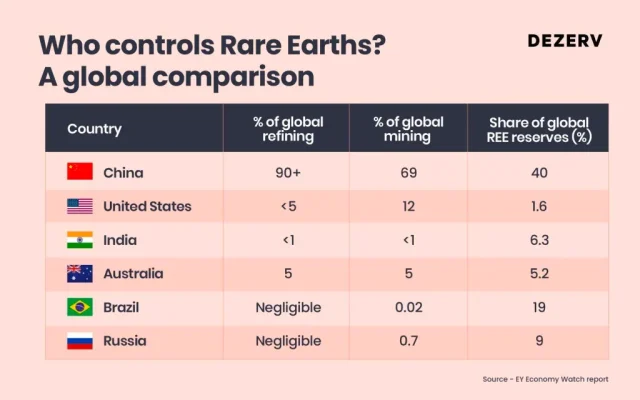
Moreover, it neglects deeper dependencies in supply chains: Even domestically produced end-products, such as missiles or vehicles, rely on critical components and raw materials sourced predominantly from one or a few countries. For instance, rare earth elements (essential for magnets in guidance systems) are refined almost entirely in China, while advanced semiconductors come overwhelmingly from Taiwan. This creates indirect leverage, a foreign power could pressure suppliers by conditioning access to these inputs, effectively blocking arms flows to Israel without direct intervention.
Fiscally, replacing $3.8 billion yearly, 0.6% of GDP—could force cuts to social services or healthcare, sparking unrest in a war-weary economy still reeling from October 7’s $50 billion hit. Operationally, high-end platforms like F-35 jets or Apache helicopters demand billions While Israel has the expertise, evidences when it developed the LAVI fighterplane which produced two working prototypes that have flown in testflights, but was never take into production, it can’t solo-develop new next gen fighteprlanes, or submarines given the investment it requires and labor shortages.
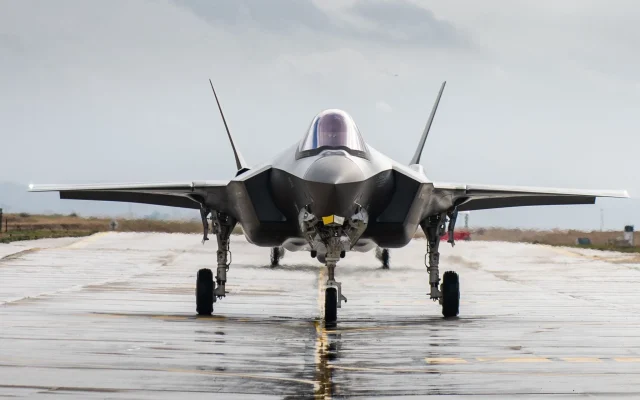
And strategically? Phasing out aid might signal weakness to Iran, eroding deterrence just as multi-front threats grow (e.g., Egyptian troop surges in Sinai violating the 1979 treaty).Critics like Dan Shapiro, former U.S. ambassador, warn it could “embolden Iran” by fraying US leverage in the region, straining Abraham Accords partners who rely on American ties for normalization.
Oren’s ‘Partnership Status’: Elegant in Theory, Thorny in Practice
Former Ambassador Michael Oren offers a nuanced tweak: Ditch cash aid for “partner status,” preserving tech ties via joint R&D while allowing non-US procurement. In interviews, Oren argues aid has bred a “profoundly harmful” defensive culture, urging multilateral pacts (e.g., with India, Germany) to fund via exports.It’s intellectually appealing—Israel as NATO-like peer, not supplicant. Oren envisions US bases in Israel and shared intel, offsetting lost funds.
Yet, pitfalls persist. Like Netanyahu’s approach, Oren’s plan underestimates the full scope of dependency, focusing narrowly on the direct financial aid while ignoring the lopsided arms import shares (66% US, 33% Germany) that perpetuate leverage through supply chains.
It also overlooks supply chain vulnerabilities: Producing weapons domestically is insufficient if key components—like electronic chips or rare earth minerals—remain concentrated in hostile or unstable sources, allowing indirect coercion. For example, a country controlling vital raw materials could inform Israel’s arms suppliers that continued access to those resources depends on halting exports to Israel, creating a hidden chokehold on the entire defense ecosystem.

Without aid guarantees, budgeting long-term arms becomes chaotic; Congress might slash support if Israel seems “too independent.” Interoperability risks rise—F-35s demand US parts—and diversification invites vetoes (e.g., past US blocks on China sales). Economically, it ignores Israel’s constraints: A 10.18 million Israeli population and 4.2 million workforce can’t scale everything without labor crunches, already acute post-reservist call-ups.As Eran Lerman of the Jerusalem Institute notes, false perceptions of “weakness” could undermine deterrence, while US firms lose “free ads” from Israeli combat testing.
A holistic alternative strategy: Maintain current aid, reduce overall US and German imports and selective diversification including entire supplychain
What if Israel pursued independence smarter—retaining US aid’s stability while slashing leverage elsewhere? This “selective diversification” strategy keeps the $3.8 billion MOU intact (expiring 2028, ripe for renewal), but negotiates flexibility to also use parts of those funds for joint R&D for defense projects (e.g., AI wingmen or 6th-gen fighters), creating mutual dependence: US pauses in deliveries hurt then American jobs and defense production too, as in the 2025 Arrow-4 split (60% U.S.-Israel production).
To address the import imbalance head-on, adopt a multifold strategy: Cap any supplier at 10-20% (from today’s 66% US, 33% Germany) through gradual diversification and rampued up domestic production. Target “easier switches”—sensors from India, howitzers from South Korea, APCs from Italy—while maintaining U=purchases in the US and Germany of complex systems (F-35s, Dolphin subs) for continuity.
The game-changer? Holistic supply chain management and risk mitigation. Map vulnerabilities from raw materials (rare earths for magnets, lithium ,to metal and components) to chips (Taiwan’s 92% advanced-node grip). Ramp up refining Joint ventures abroad (e.g., Australia’s Lynas for REEs) while building Israeli hubs—know-how intensive, automated, less labor-heavy. Stockpile 6-9 months’ criticals ($300 million fund) as bridges till those ramp ups have been established and also beyond it as buffers in times of supply chain disruptions.
This plan avoids fiscal gaps as the aid doesn’t cut a gap in the defense budget which is needed for other pressing demands like standing army growth (7,000 more troops by 2026 to ease reservist burdens , possibly expanding it to 200,000 troops overall as IDF leadership and analysts have said is needed for the new security normal), while GDP expansion (3.5% projected) naturally dilutes reliance to under 10% by 2030.
US leverage flips by creating more symbiotic defense industry relations: Split production chains in joint defense projects deter holds, and diversification deepens defense and diplomatic ties with more countries (e.g., $8.6 billion India deals in 2026 making Israel now the third largest arms supplier to India. ). And economically, it balances Netanyahu’s defense tilt (7% GDP) with high-tech offshoots, from REE processing that spawn batteries, and ramped up semiconductor production fuel AI, countering the risk of an economy that is too defense heavy and not diversified enough.
Downsides? Initial costs ($2-3 billion) and interop tweaks to integrate new foreing defense systems and enable interoperability , but far milder than phase-outs. Politically, lock it pre-2026 midterms as now you still have the most pro Israel party in control of Congress and the Whitehouse while midterms provide incentive for the Democrats to support it as to not risk losing the jewish and other pro Israel voting blocs in important states like New York.
Toward a Resilient Future
Netanyahu’s vision inspires with its bold ambition, and Oren’s partnership model refines the alliance into something more equal, but neither fully grapples with the multifaceted nature of Israel’s dependencies, from lopsided arms imports to hidden supply chain chokepoints.
In contrast, the selective diversification strategy offers a comprehensive roadmap to true autonomy: Retaining the stability of US financial aid to fund essential expansions like a larger standing army and joint R&D projects, while aggressively reducing overall imports from dominant suppliers like the United States and Germany through targeted diversification to reliable partners such as India, South Korea, and Italy.
This is paired with a surge in domestic production, focusing on high-consumption essentials like ammunition and interceptors to reach 70 percent self-sufficiency by 2028, and a rigorous securing of critical supply chains, including full mapping of vulnerabilities, strategic stockpiles for 9-12 months of key materials, and joint ventures for refining resources like rare earth elements.
Together, these elements form a resilient ecosystem: No single supplier exceeds 10-20 percent of imports, raw components are sourced from diversified pro-Israel allies to eliminate indirect coercion risks, and economic growth naturally erodes aid’s relative weight over time.
This isn’t mere evolution—it’s a fortified shield against political whims in Washington, economic shocks at home, or adversarial maneuvers abroad. As MOU renewal talks approach in 2028, Israel stands at a crossroads. Embracing this balanced path honors the unbreakable US bond while forging unbreakable self-reliance, ensuring that in an era of shifting alliances and relentless threats, the Jewish state remains sovereign, secure, and unyielding. The time to act is now—for a future where Israel’s decisions are its own, and its defenses, unbreakable.