‘Board of Peace’ Set for Early 2026: Paving the Way for Gaza’s Renewal
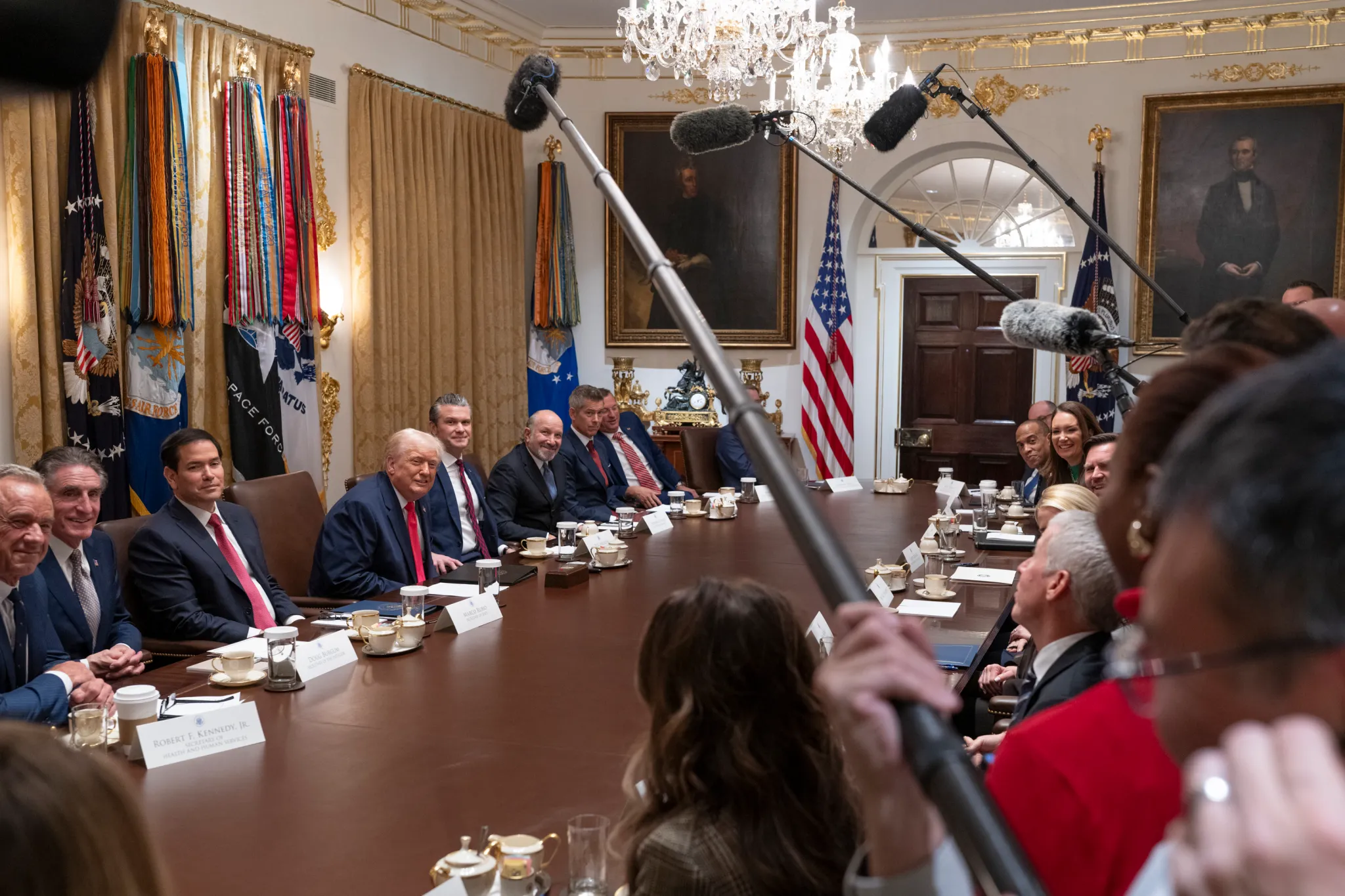
President Donald Trump’s announcement that the much-anticipated “Board of Peace” will be revealed early next year might seem, at first, like just another delay in an already tangled timeline. However, the shift to early 2026 hints at something much more significant: a growing web of global engagement and a diplomatic process that’s turning out to be bigger—and more ambitious—than initially planned.
Trump’s characterization of the Board as a council of kings, presidents, and heads of state highlights how much the idea has transformed. What started as a technical gathering of diplomats and experts has been reshaped by the keen interest of world leaders who are eager to leave their mark on Gaza’s postwar future.
As Trump noted, “Everyone wants to be part of the council.” This desire for visibility and influence has prompted the White House to rethink its strategy, evolving a technical mechanism into a political platform with a global impact. Yet, beneath the grand rhetoric lies a more sobering truth: the Gaza peace plan, which has the backing of the UN Security Council, still faces significant challenges in implementation.
Washington has had a tough time securing solid commitments for the proposed International Stabilization Force (ISF) that would take over from the IDF in eastern Gaza. Discussions about Hamas’s disarmament—an essential requirement for Israel—are still in the early stages. And while US officials maintain that “remarkable progress” is being made behind the scenes, the transition to Phase II has inevitably slipped past the Christmas deadline.
Even with the delay, the importance of the Board remains intact. In fact, the fierce competition to be part of it highlights the understanding that Gaza’s rebuilding will influence regional politics for many years ahead. The anticipated participation of around 10 Arab and Western leaders gives this platform the chance to become a key diplomatic player—more symbolic in its structure but impactful in shaping discussions. The executive committee, spearheaded by senior US officials like Steve Witkoff and Jared Kushner, will handle the operational tasks. However, the makeup of the Board will be a crucial indicator of global political commitment.
Meanwhile, regional diplomacy is really picking up speed. This week, Pakistan and Saudi Arabia reiterated their dedication to ensuring that humanitarian aid flows freely into Gaza. In a phone call between Deputy Prime Minister and Foreign Minister Ishaq Dar and Saudi Foreign Minister Prince Faisal bin Farhan, both leaders stressed the importance of working together to achieve lasting peace. Their conversation reflects a growing consensus within the Muslim community that humanitarian needs can’t be put on hold for political decisions.
President of Indonesia Prabowo Subianto and Prime Minister Muhammad Shehbaz Sharif witness exchange of MoUs/agreements in different fields of cooperation between Indonesia and Pakistan.
(Islamabad: 9 December, 2025) pic.twitter.com/mXanI8NXcv
— Prime Minister's Office (@PakPMO) December 9, 2025
At the same time, Indonesian President Prabowo Subianto’s visit to Islamabad gained extra importance during this period of diplomatic shifts. Beyond enhancing cooperation in trade, IT, health, agriculture, and education, Prime Minister Shehbaz Sharif and President Prabowo closely aligned on regional matters, especially regarding Gaza. Prabowo reaffirmed Indonesia’s steadfast support for a two-state solution and highlighted that foreign ministers from both nations are in constant communication. In response, Shehbaz Sharif commended Indonesia’s proactive diplomatic and humanitarian efforts, recognizing its role in advocating for ceasefire agreements and delivering aid.
The defense aspect of Pakistan–Indonesia relations has really strengthened this feeling of shared purpose. Field Marshal Asim Munir’s meeting with President Prabowo was all about regional security, military collaboration, and their mutual commitment to stability.
President Asif Ali Zardari conferred Nishan-e-Pakistan on Indonesian President, Prabowo Subianto. The two leaders also held a meeting to review bilateral ties, shared values and future cooperation, followed by a state banquet in his honour. pic.twitter.com/MvlnFohCJr
— The President of Pakistan (@PresOfPakistan) December 9, 2025
When President Prabowo was awarded the Nishan-e-Pakistan—the highest civilian honor in Pakistan—it wasn’t just a gesture of goodwill; it highlighted the growing ties between the two nations and underscored Indonesia’s significant role, especially with Gaza’s future being such a pressing global issue.
Prime Minister of #Pakistan Muhammad Shehbaz Sharif in a bilateral meeting with the delegation from #Indonesia led by President H.E. Prabowo Subianto, in Islamabad on 9 Dec 2025.
Field Marshal Syed Asim Munir, NI (M), HJ, Chief of the Army Staff (#COAS), Chief of the Defence… pic.twitter.com/D27sRGeZGp
— Pakistan Armed Forces News ???????? (@PakistanFauj) December 10, 2025
All these developments point to a larger trend: while the formal structure of the Gaza peace plan may be moving slower than anticipated, the diplomatic momentum in the region is picking up speed. Muslim-majority countries, in particular, are stepping up as active players in shaping the new postwar landscape rather than just sitting on the sidelines.
#ISPR
Rawalpindi, 9 December, 2025Field Marshal Syed Asim Munir, NI (M), HJ, Chief of Army Staff (#COAS) & Chief of Defence Forces (CDF) called on President of the Republic of #Indonesia, His Excellency Prabowo Subianto at Islamabad, #Pakistan
During the meeting, matters of… pic.twitter.com/kOXlsviycS
— Pakistan Armed Forces News ???????? (@PakistanFauj) December 9, 2025
When the “Board of Peace” finally kicks off in early 2026, it will enter a landscape already influenced by months of quiet collaboration, humanitarian advocacy, and shifting regional dynamics. The timeline might have shifted, but the process is gaining momentum—and the coalition forming around the renewal of Gaza appears to be broader, more engaged, and more determined than ever before in the long aftermath of this conflict.