Both left and right want you to forget October 7
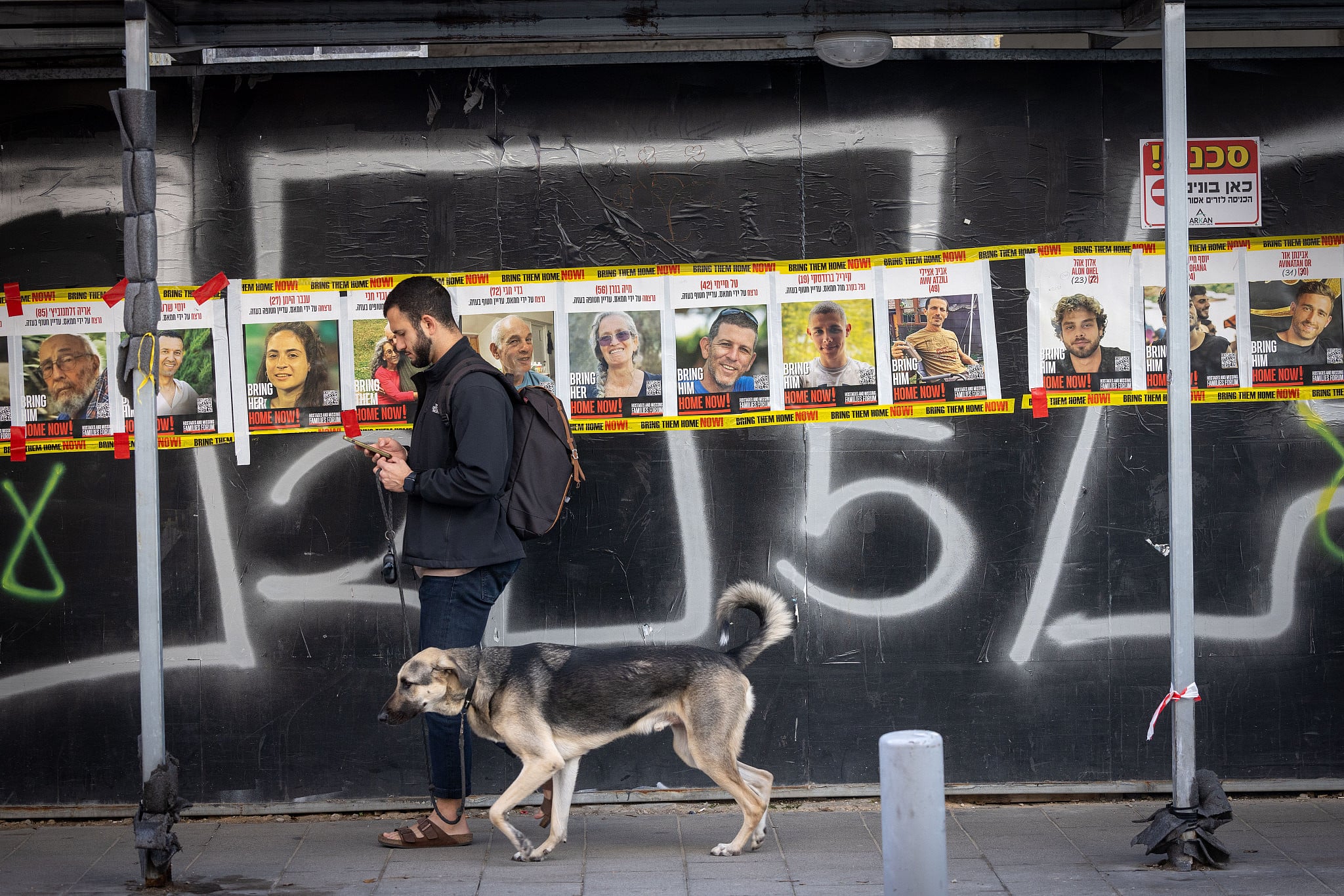
There is a growing and deeply troubling silence surrounding October 7. From opposite ends of the political spectrum — both the right and the left — powerful forces are finding reasons to move on, to shift the narrative, to forget. Each does so for its own reasons. Each puts ideology ahead of truth. And each endangers justice for the victims of that day. This is the dilemma we face: How do we preserve memory and accountability in a landscape where political convenience demands forgetting?
As the CEO of the Civil Commission on Hamas Crimes of October 7 against Women and Children, I have spent the last months listening to testimonies, gathering evidence, and documenting atrocities that are almost too horrific to describe. We do this work not just to record the past, but to protect the future — to make sure that what happened on that day is not buried under political narratives or diplomatic discomfort. But that future is at risk.
The right’s selective memory
The political right in Israel is understandably desperate to redirect public and international focus. October 7 is, quite simply, the most catastrophic failure of governance in Israeli history. The very government that promised “sovereignty, strength, and security” left its citizens exposed in their most vulnerable moment. For a leadership that came into power on a platform of national security promises, the massacre stands as an unforgivable failure. And so the politics of forgetting may gain momentum, moving the focus away from the southern border toward gains in Iran. The discourse is already being shaped to portray the operation against Iran as a historic win that threatens to overshadow the tragedy of October 7. But these successes must not become a shield behind which the government evades its historic responsibility: to prosecute the crimes, investigate the failures, pursue accountability — and to remember, without hesitation, the faces of the murdered, the raped, and the abducted.
The left’s narrative dissonance
Meanwhile, many on the political left — in Israel and abroad — are equally uncomfortable confronting the October 7 atrocities. For years, the left has championed a two-state solution, criticized Israeli military policies, and called for moral symmetry in the Israeli-Palestinian conflict. But the unambiguous evil of October 7 — a pogrom broadcast with pride by its perpetrators — does not fit easily into this worldview.
The left often appeals to a kind of aesthetic morality, invoking symmetry and proportionality — comparing casualties on both sides — while ignoring the singular brutality of the October 7 attacks. But October 7 demands a shift in paradigm; what was can no longer be. The pressing question is not abstract peace, but how to secure life for all people in the region. This requires an unflinching view of reality.
Those of us who document these crimes know how difficult it is to truly bear witness, but without that confrontation, no sustainable solution is possible. Anyone who genuinely seeks life on both sides must not avert their eyes from the victims.
We owe the victims more than silence
The women and men sexually abused and tortured, the babies and children murdered, the grandmothers dragged into Gaza, and the hostages are not political symbols. They are people. And the obligation to tell their stories, to seek justice for them, and to ensure such horrors are never repeated transcends political ideology. The Civil Commission will continue to collect testimonies, provide legal groundwork, and advocate internationally. But we cannot do it alone. We need the public — from left and right — to demand that October 7 remain in our collective conscience. Not because it is politically convenient, but because it is morally necessary. Let us not betray the victims a second time with our silence.