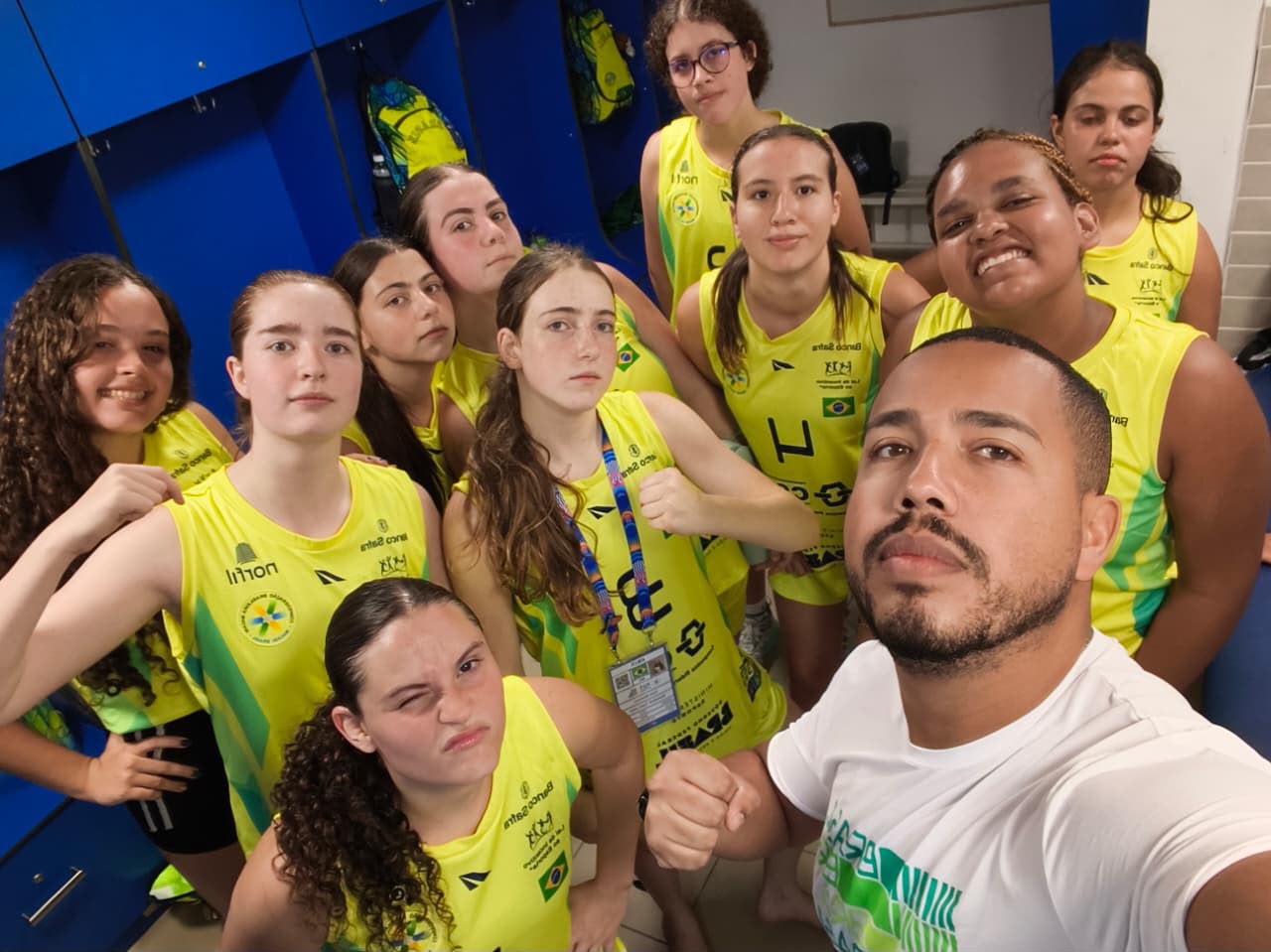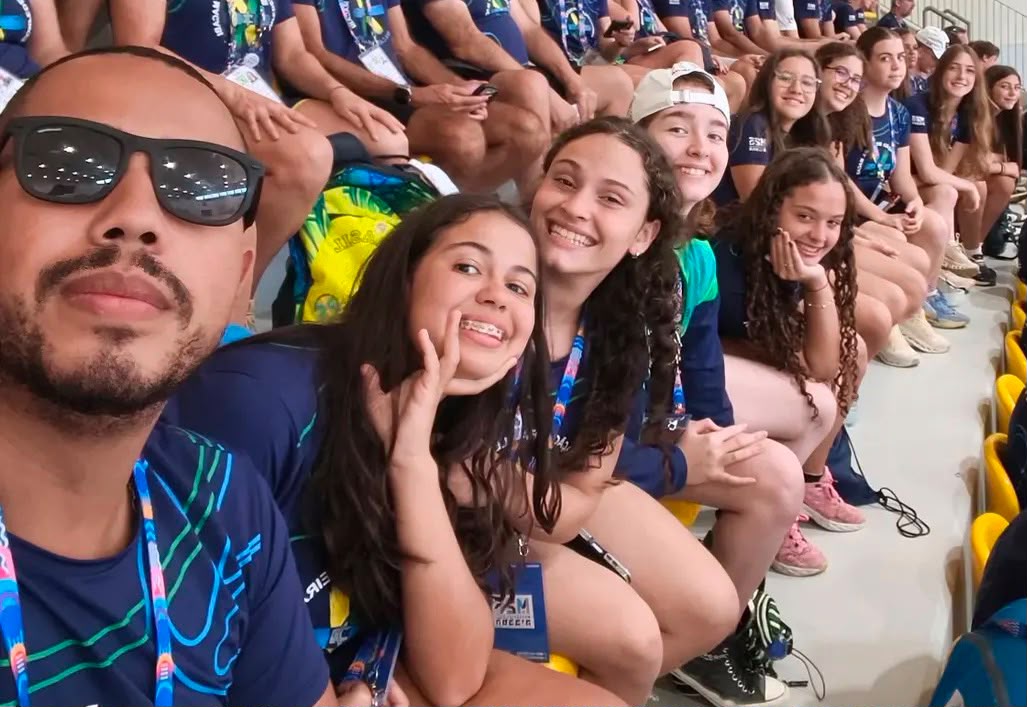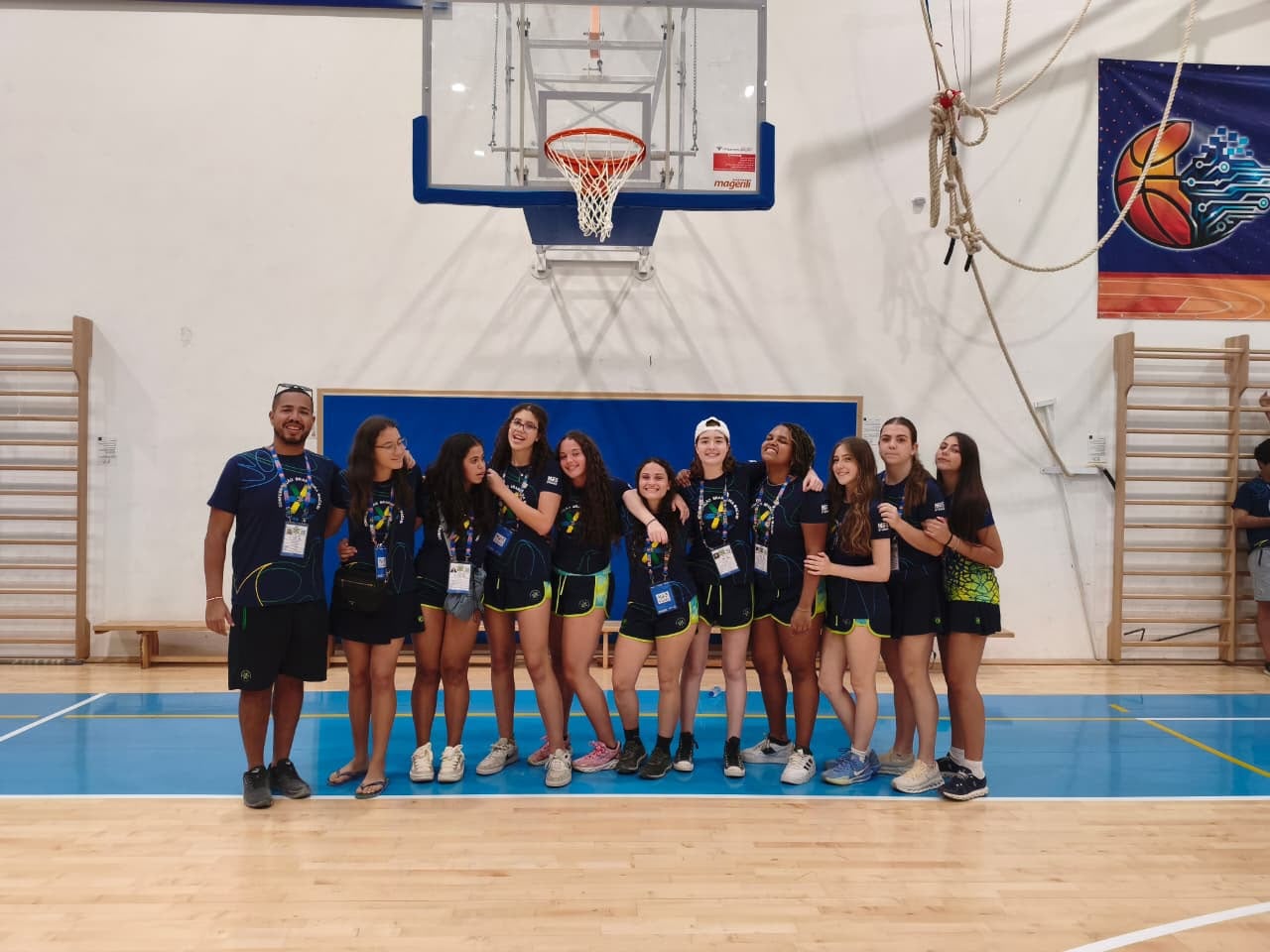
Brazil’s first women’s basketball team makes history at the 22nd Maccabiah
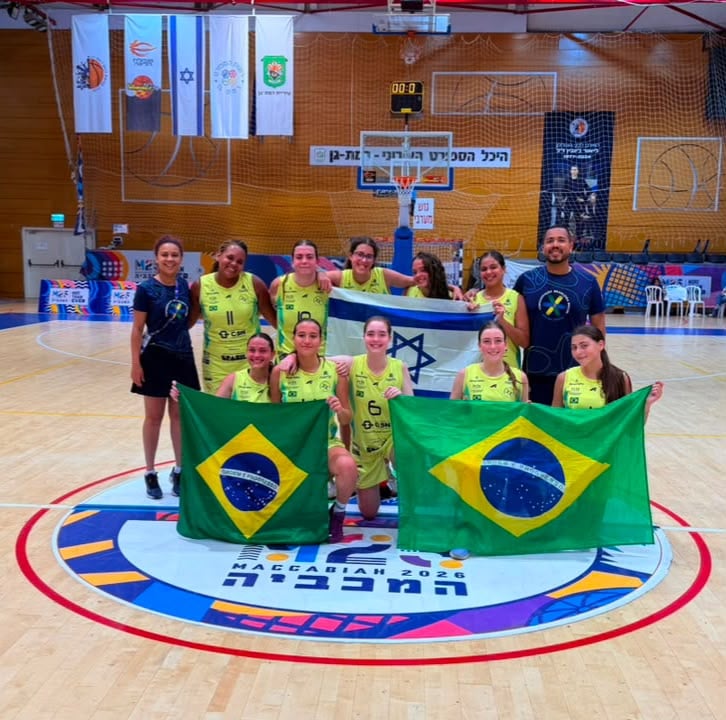
The ten Brazilian athletes of U-17 squad are already writing a legacy bigger than one tournament
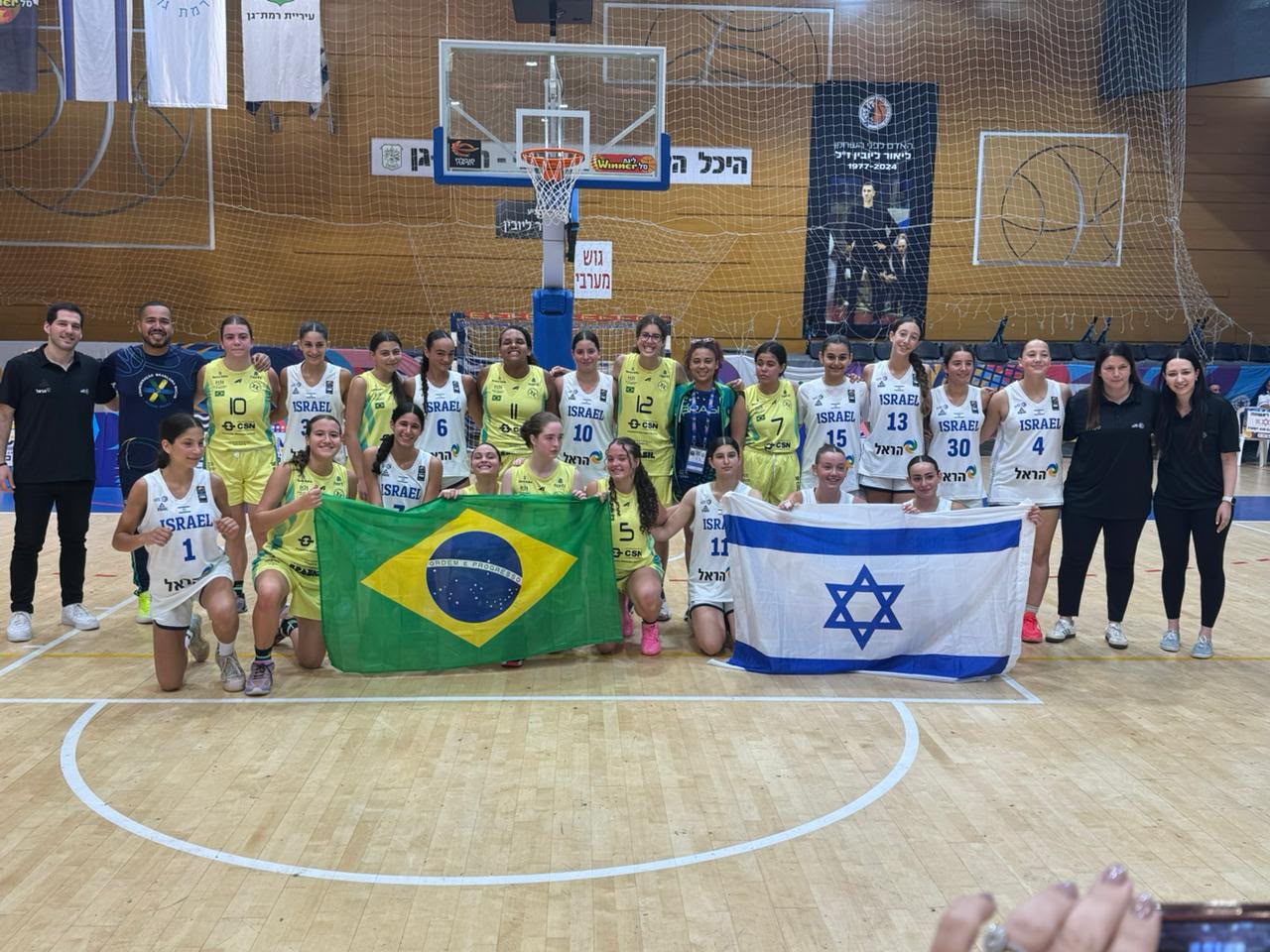
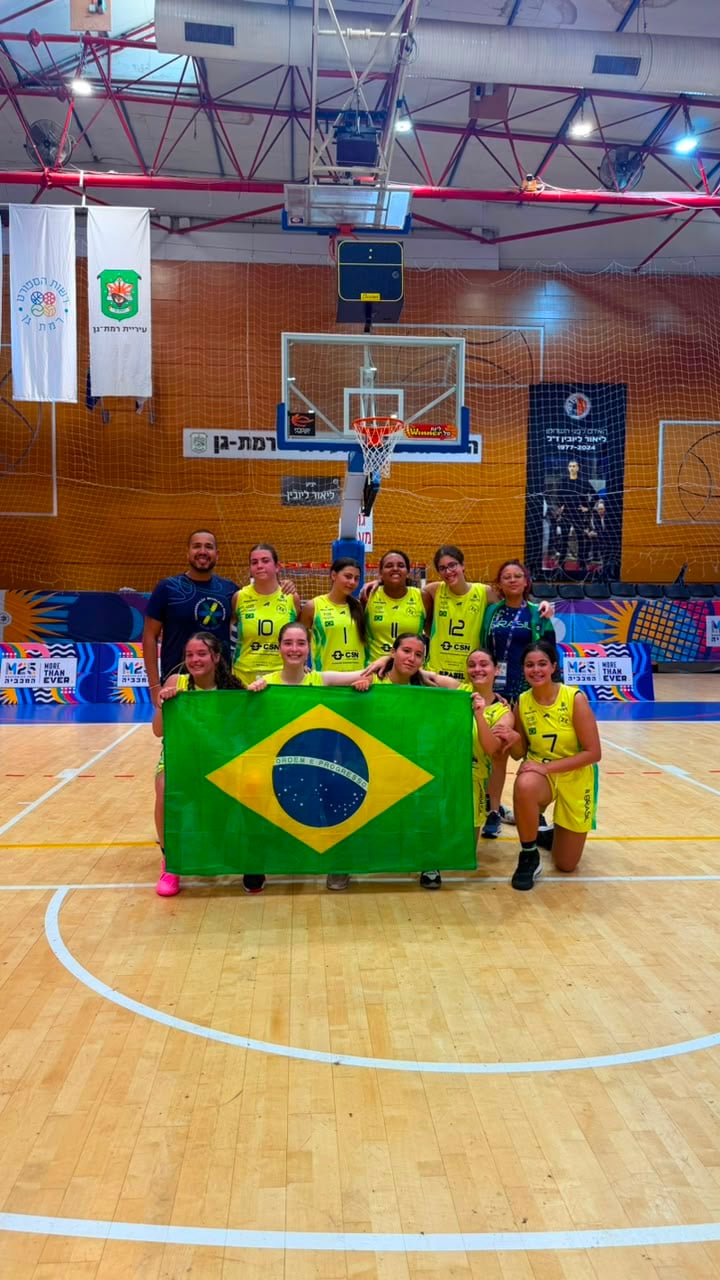
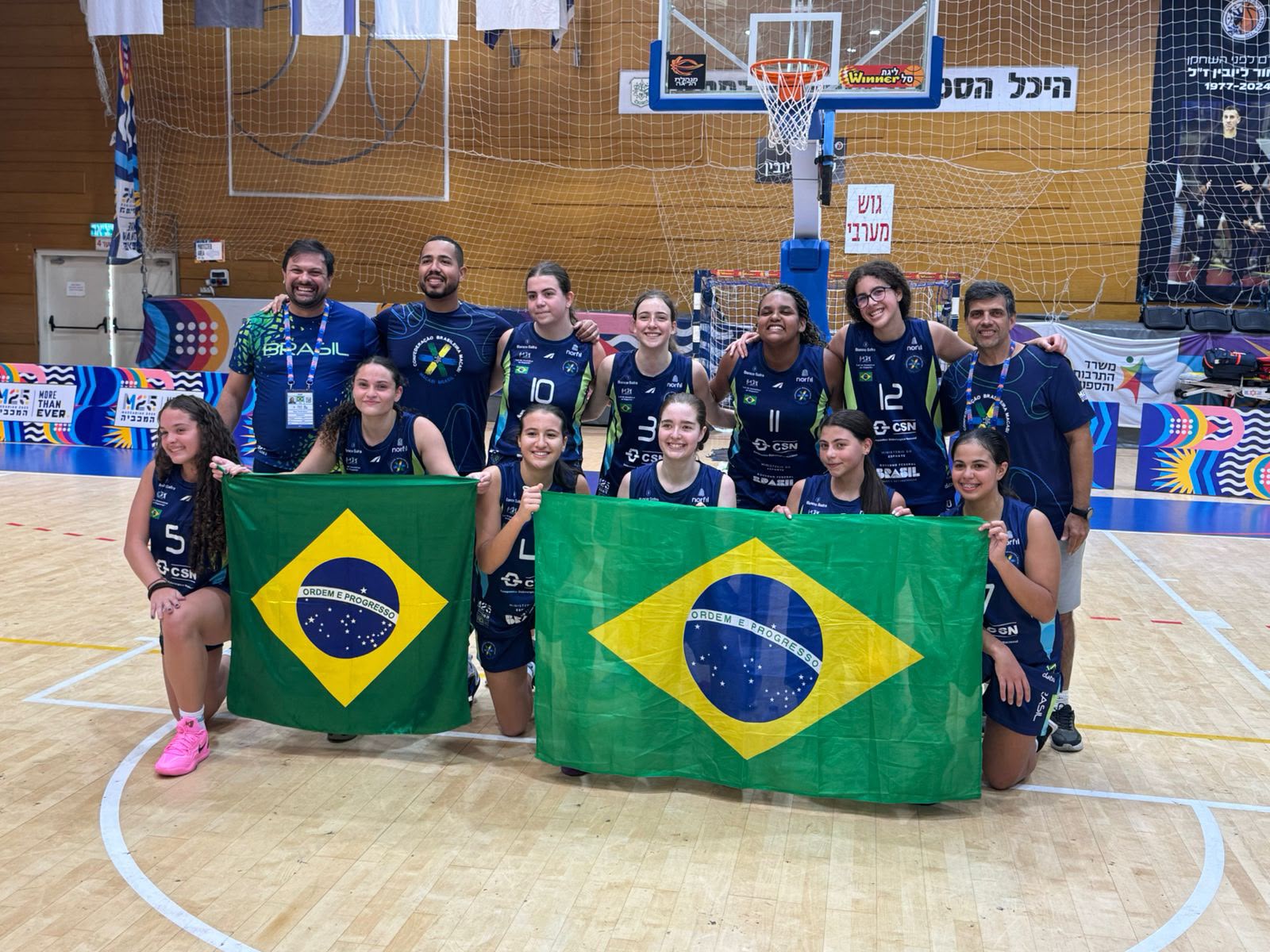
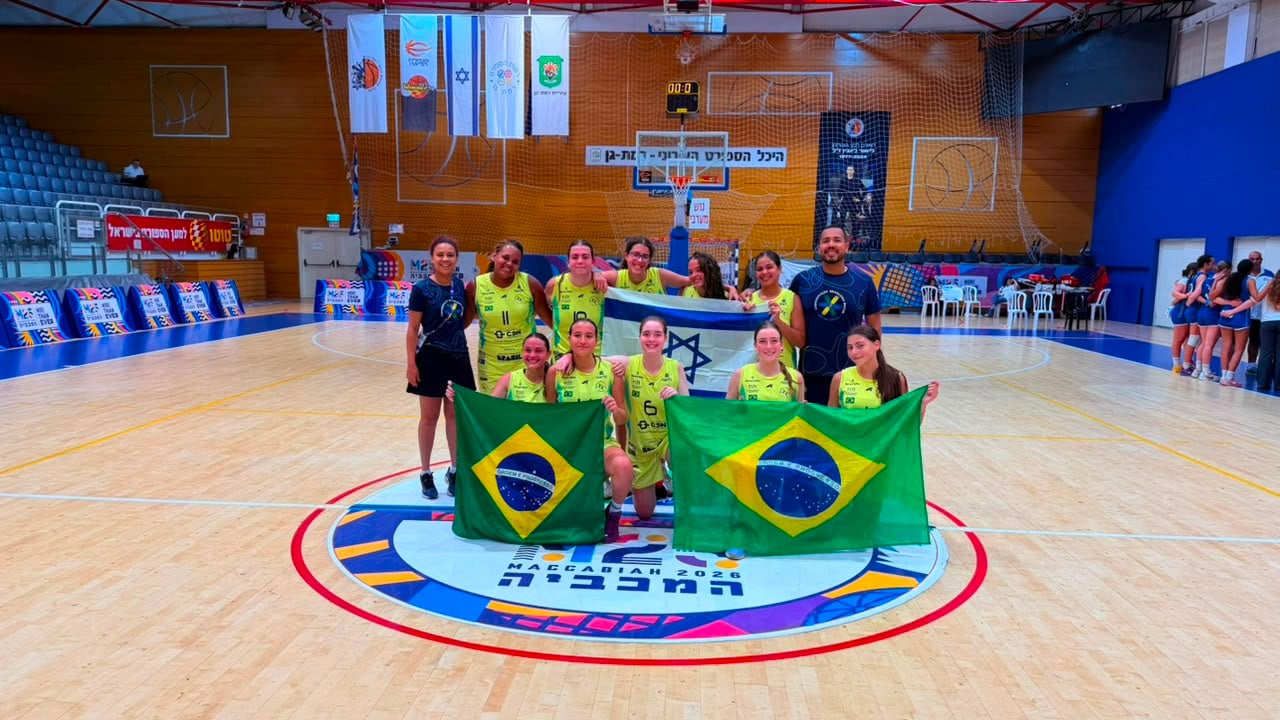
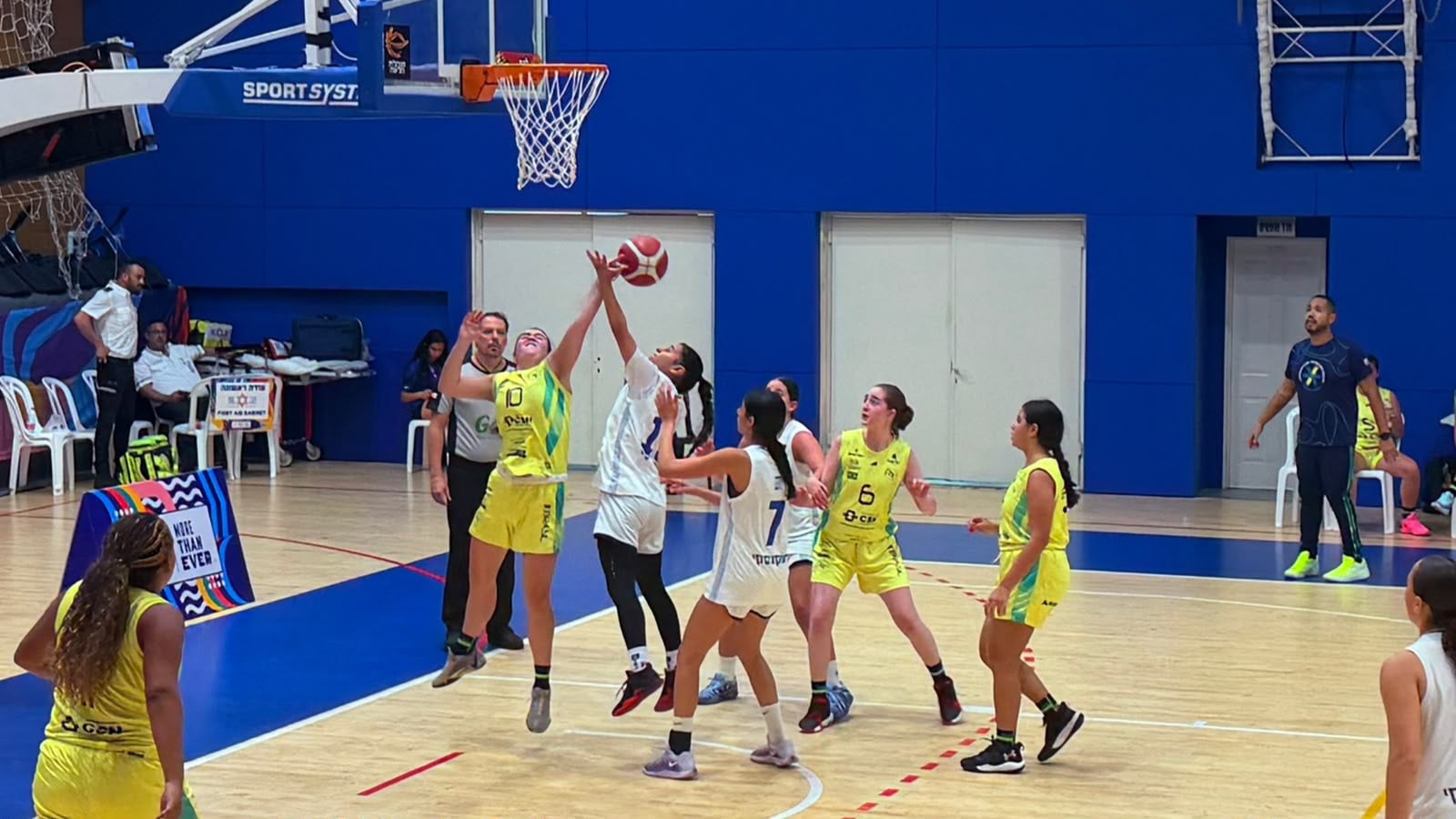
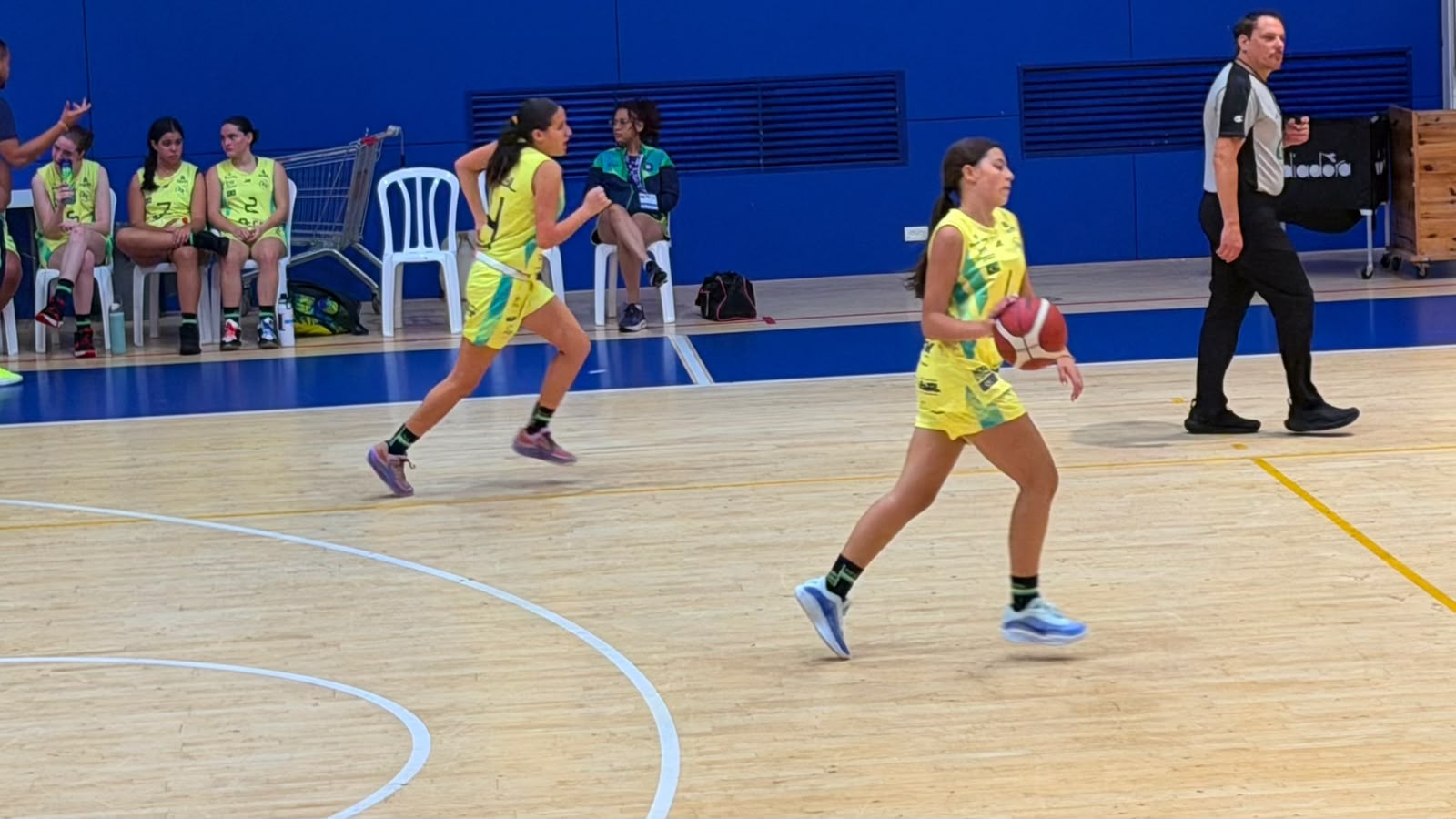
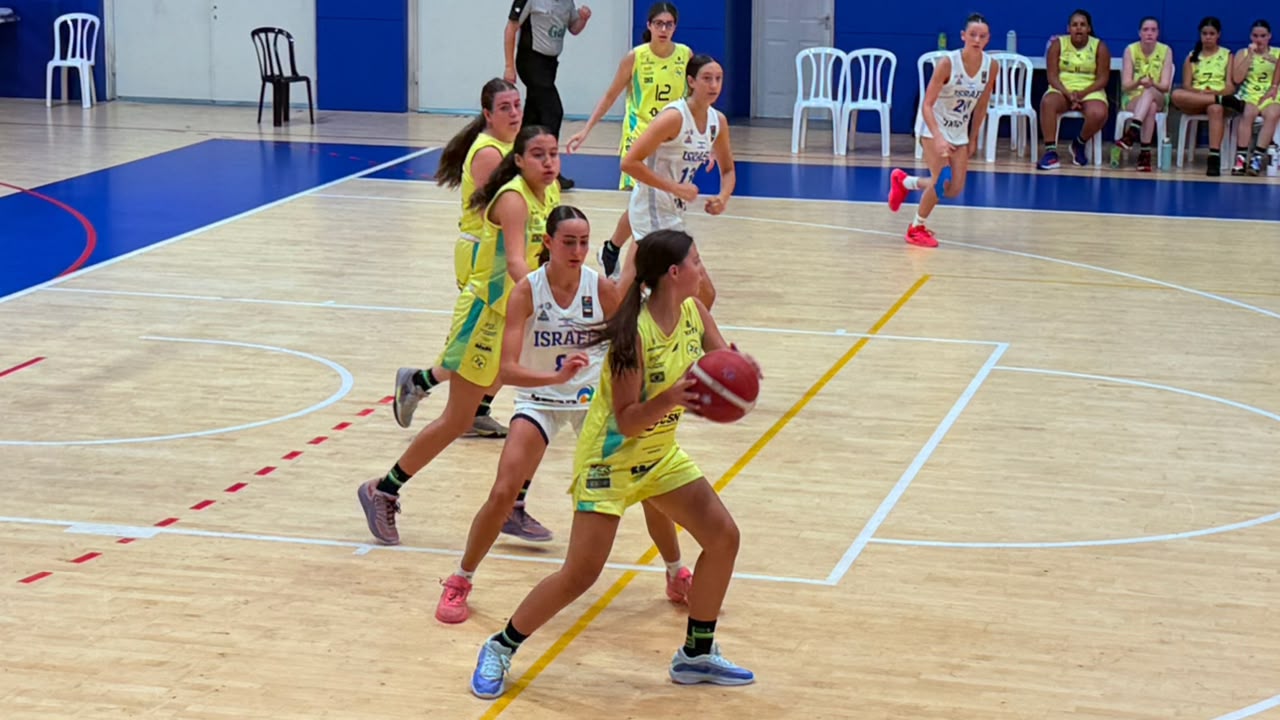
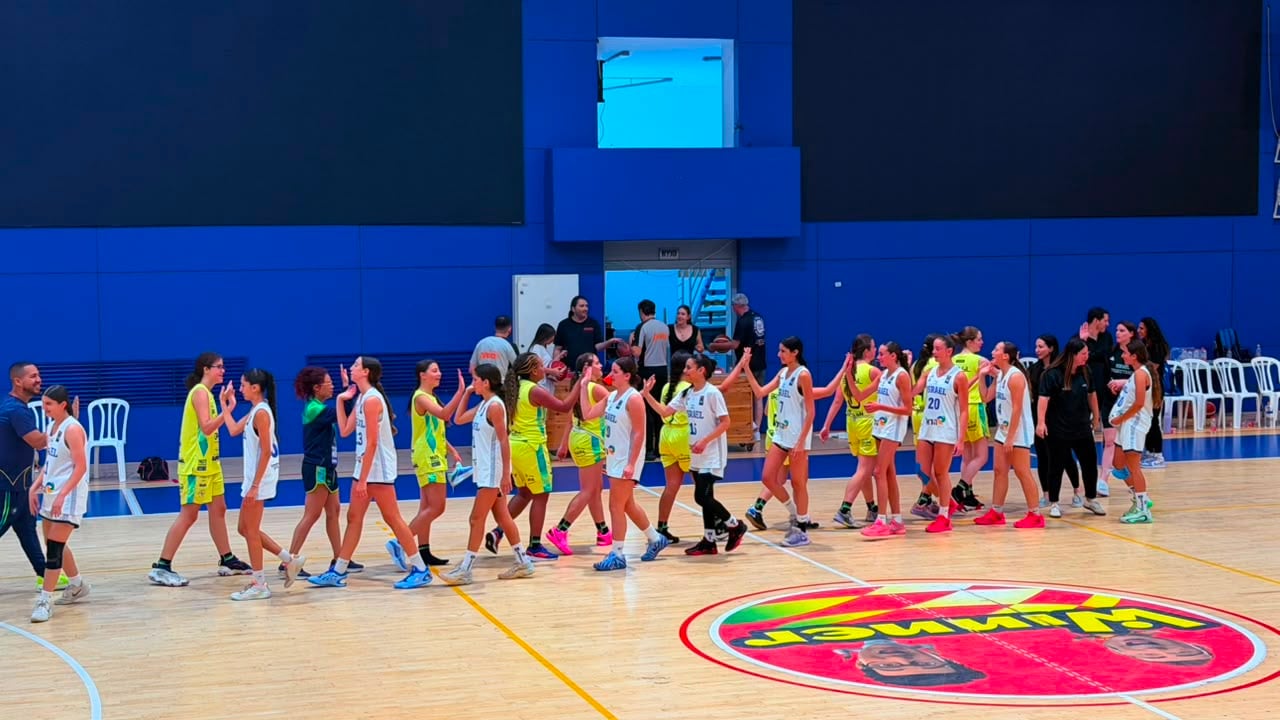
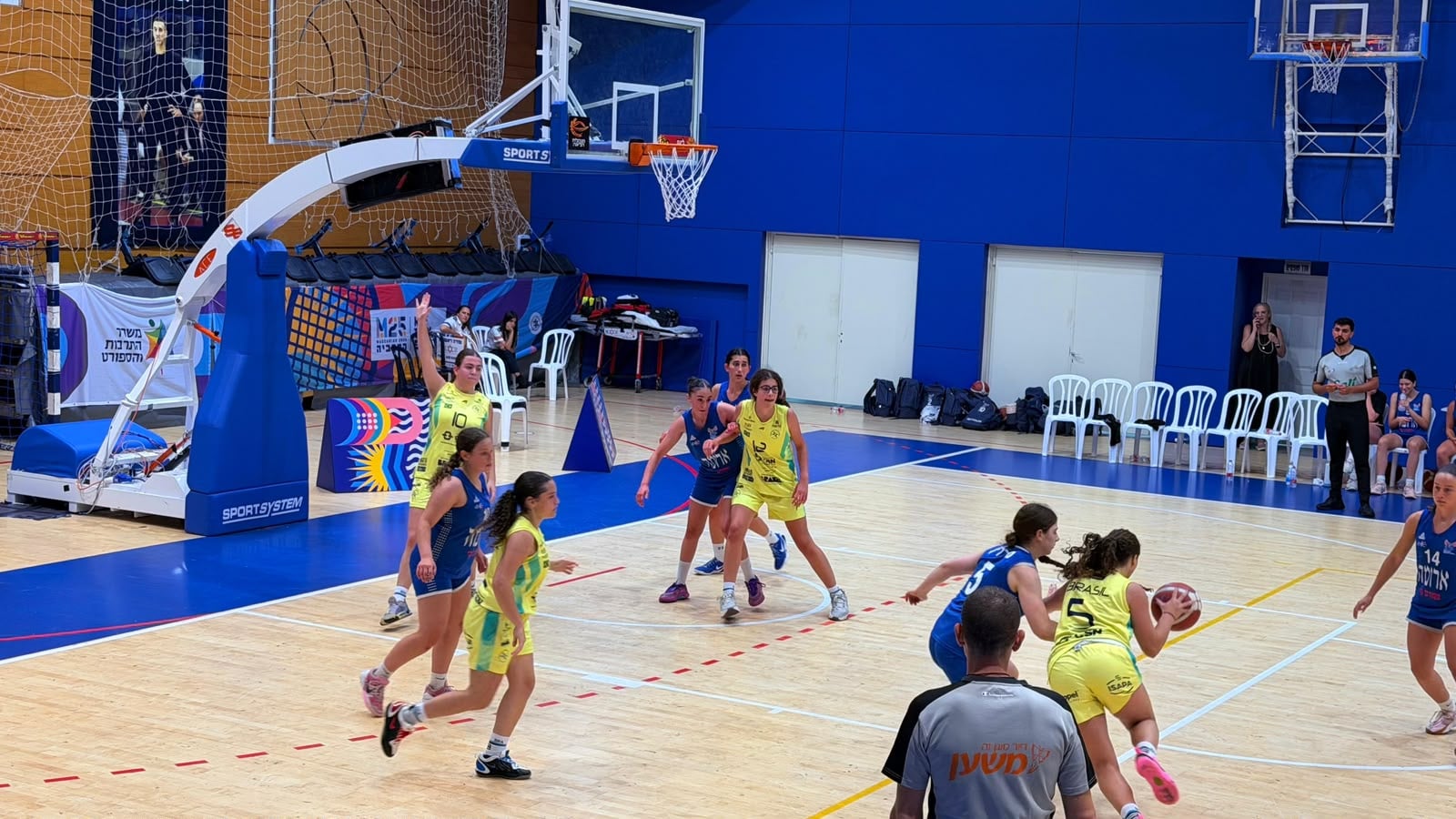
TEL AVIV — Since the first Maccabiah Games in 1932, Brazil had never sent a women’s basketball team to the competition. That changed on July 2, when the Under-17 squad tipped off against host nation Israel, becoming the country’s first entry ever in the women’s basketball tournament and the only South American side in this year’s field. The moment marked a milestone not just for a new generation of players, but for women in sports as a whole.
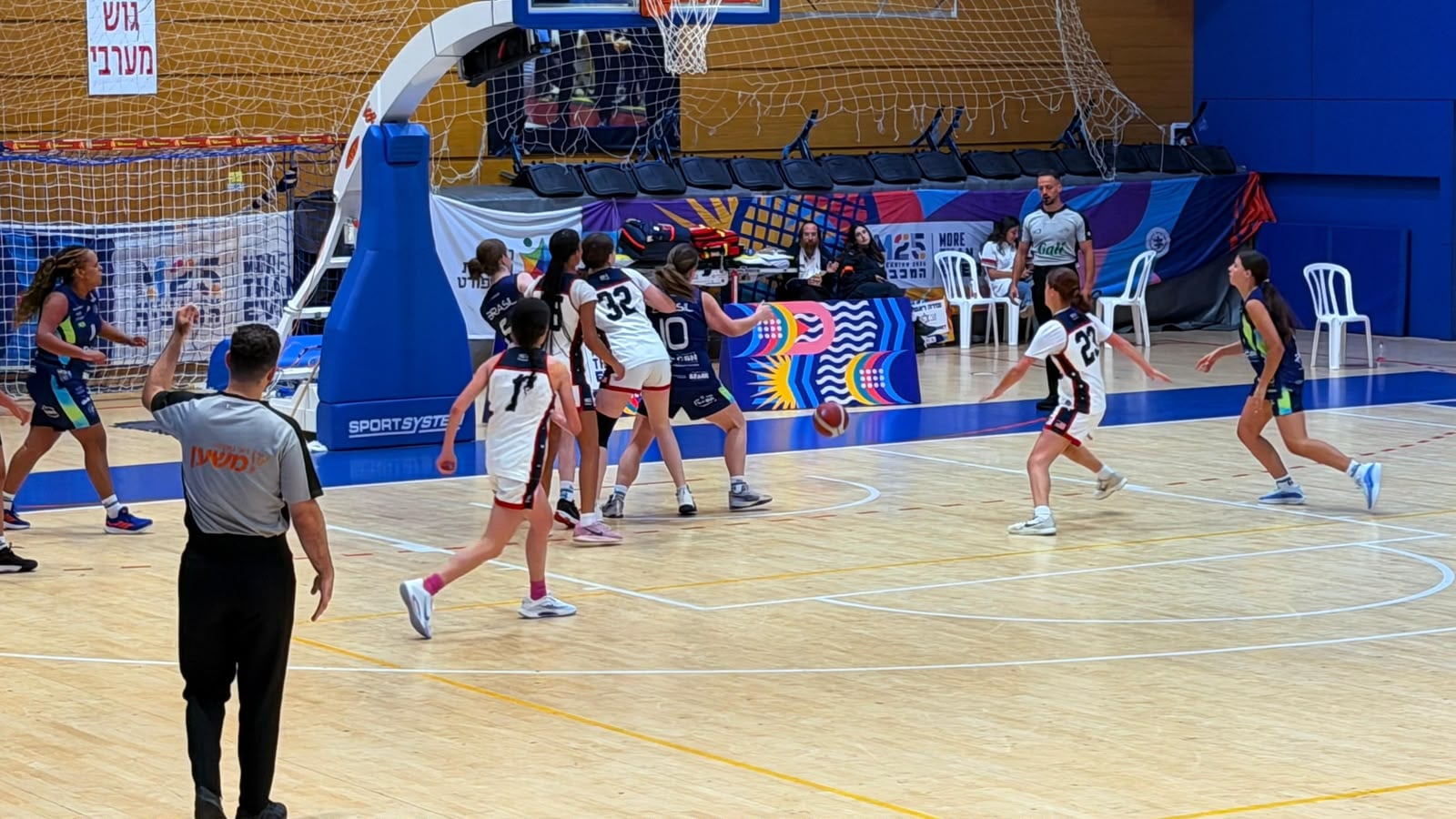
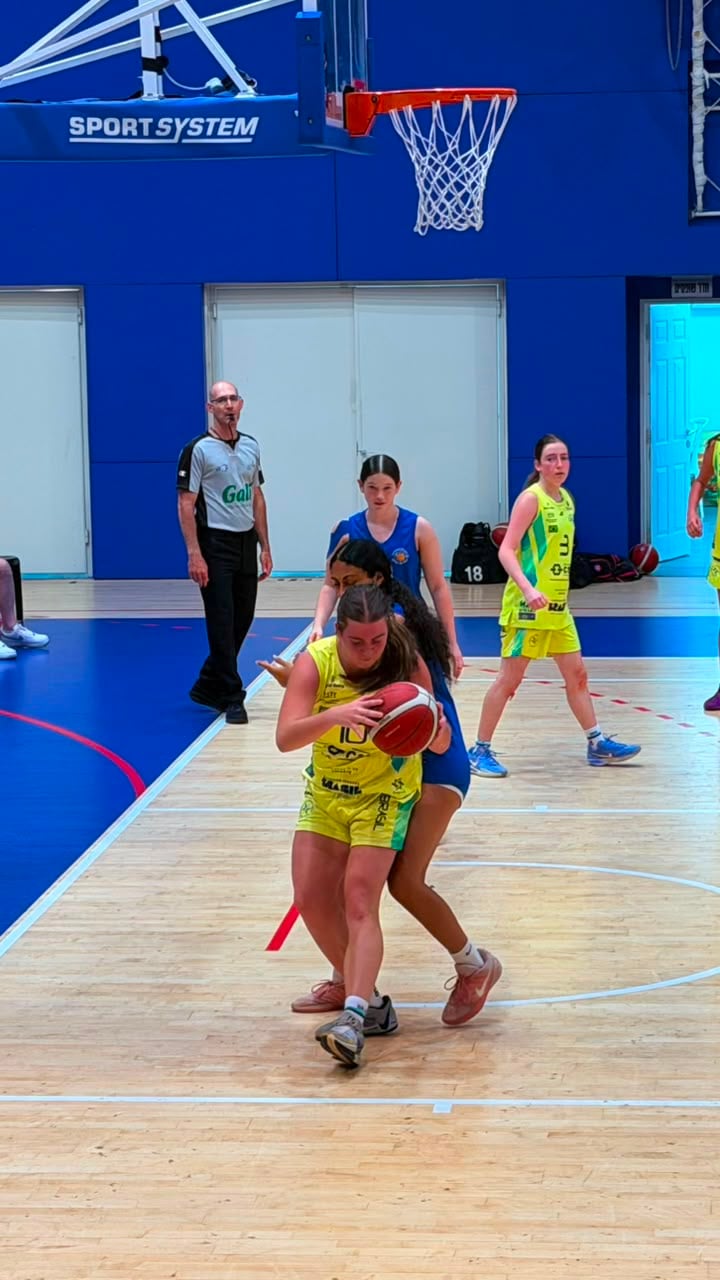
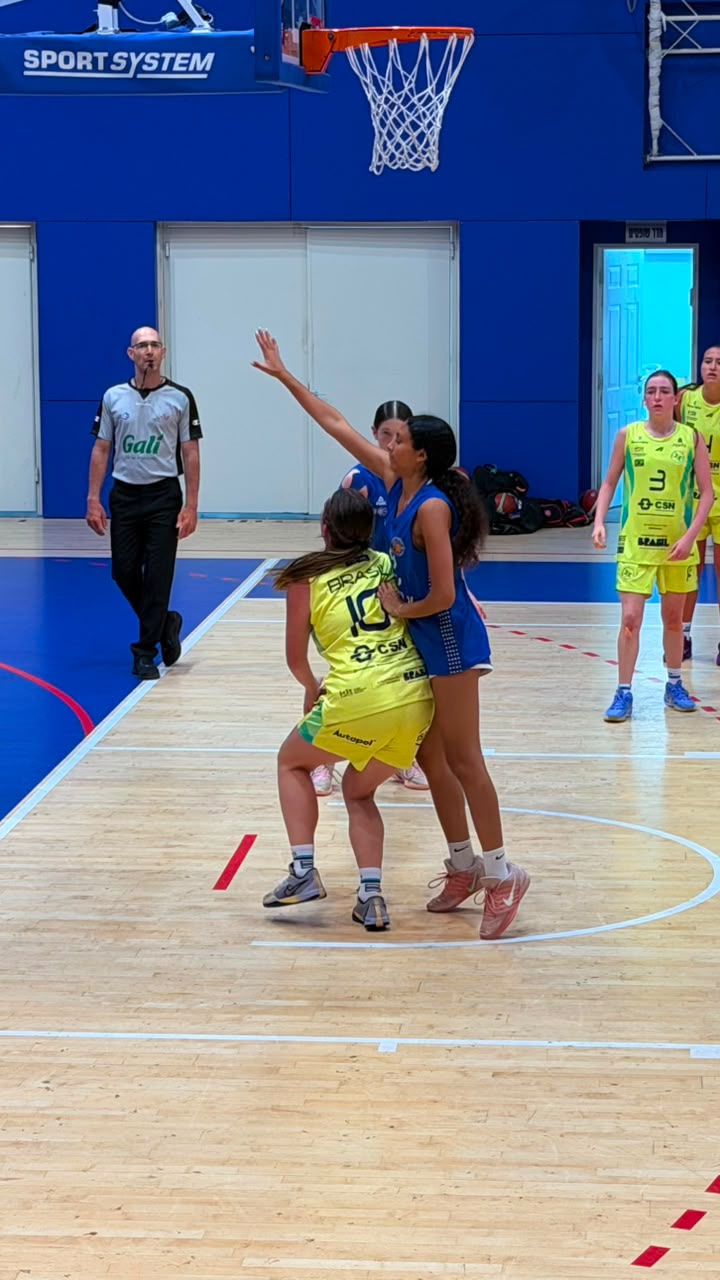
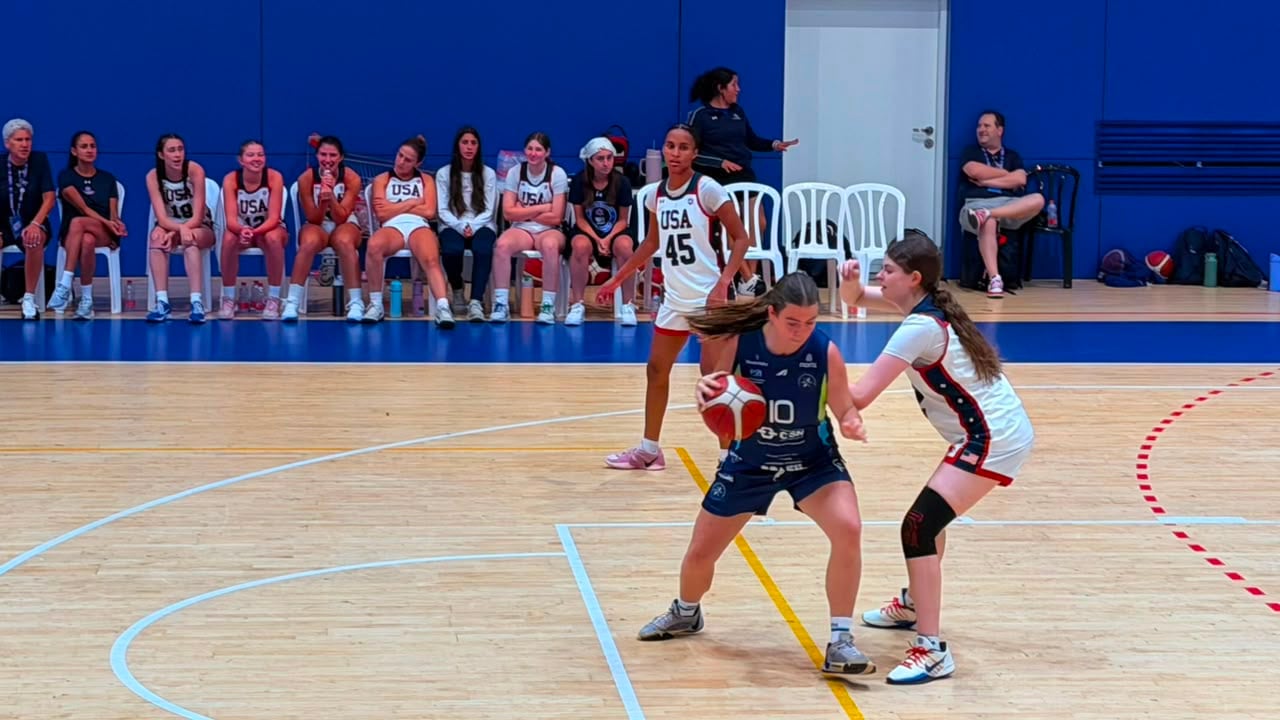
The opening game ended in defeat for the Brazilian athletes — the start of a four-game run through the group stage that pitted the young squad against some of the tournament’s strongest sides, including the United States. Brazil showed flashes of real talent along the way but ultimately fell short of a place in the semifinals. The scoreline, though, was never the defining part of the experience. For the players and coaches, every basket was celebrated on the green and yellow bench, not because of what it meant on the scoreboard, but because of what it meant to be there at all: a chance to open a path for the girls who come after them.
A sport still fighting for its place at home
To understand why this debut matters so much, it helps to explain what these young athletes are up against back in Brazil. Women’s basketball has real history there, but a solid national sports plan has long been missing, which directly affects both incentives for the sport’s practice and its media coverage, since the press tends to cover what generates interest. Unlike the men’s game, there is no youth development league equivalent to the under-20 tier of the top professional league (the LDB, or Liga de Desenvolvimento de Basquete), and the few training programs that do exist often lack sufficient resources.
The gap is generational. Brazil’s “golden generation” of the 1990s, Hortência Marcari, Maria Paula Gonçalves da Silva (“Magic Paula”), Janeth Arcain and Marta Sobral among others, won the 1994 World Championship and took silver at the Atlanta 1996 Olympics under legendary coach Maria Helena Cardoso, putting Brazilian women’s basketball on the global map. But financial support for the sport largely faded in the decades that followed, even as those players inspired a wave of young fans.
There are signs the tide is turning. Brazil’s public broadcaster TV Brasil began broadcasting the national women’s league in 2020 as part of a strategy to build up women’s sports and expand public access to the competitions, and last year’s broadcasts reached more than 1.4 million people across 24 televised matches, with over 784,000 total hours watched. Earlier this year, former national team center Érika de Souza took over as president of Brazil’s Women’s Basketball League (Liga de Basquete Feminino, or LBF), a change framed by outgoing leadership as evidence that the league, built by women who inspire girls across the country, deserved to be led by one.
It’s against this backdrop, a sport still building its own infrastructure and visibility at home, that Brazil’s U-17 team walked onto a Maccabiah court for the first time. They didn’t have a national development pipeline built for them. They built their own path to this global stage anyway.
Grassroots work that is already paying off
Not every corner of Brazilian sport lacks that kind of investment, and this team is the proof. Every athlete on Brazil’s women’s U-17 roster at the Maccabiah came up through the competitive youth ranks of Hebraica São Paulo, one of the most prominent sports clubs in Brazil’s Jewish community, which has built a structured basketball development program over years of sustained commitment. The squad is, in itself, a counterpoint to the shortage of resources described above: when a project invests early and consistently in girls’ basketball, in its coaching staff, in infrastructure and in continuity, the results follow.
Diego Florez, head of the basketball department at Hebraica São Paulo and a member of Brazil’s technical staff within the CBM (Brazilian Maccabi Confederation) delegation at this year’s Games, spoke about what taking part in the Maccabiah means for the club’s model. “This team is the clearest sign that when we back women’s basketball from the youth level up, the payoff comes. Every one of these players grew up inside our program, and now they’re representing Brazil on one of the biggest stages in the world. That didn’t happen by chance. It’s the result of years of work.”
For Florez, regarded as a mentor by the entire squad, it is important to remember that this debut is just one more step in a story that did not begin as a team. It grew out of a handful of girls, some of them six years old, still learning the game. “For a long time, we didn’t even have a girls’ team. They trained alongside the boys because there was no other option,” he recalled.
“As they developed, they started bringing in other girls themselves, because they could see there was something here worth building. That’s how the group grew. Since then, we’ve reached the podium at regional championships and taken gold and silver at Maccabi school games. Having a national women’s line-up of our own now, with a coach of our own, was already a victory before the opening whistle. This debut in Israel is just the latest chapter in something these girls built from the ground up,” Florez emphasized.
A new chapter opens
That legacy is part of what today’s U-17 players carry onto the court, alongside something equally significant: a direct connection to the Maccabiah’s own 94-year history of Jewish athletic identity and pride.
For a Brazilian Jewish community that has closely followed this year’s Games, delayed a full year by the Israel-Iran war, sending the country’s first-ever women’s basketball delegation carries added meaning. It is, in the words of those close to the team, a statement that this generation of young women belongs on this stage.
Head coach Patrick Reis, who prepared the young squad for the Maccabiah, spoke about the significance of the debut. “We didn’t come to Israel just to play a few games. We came to open a door that had never been opened for Brazilian women in basketball in this competition. No matter the final score, that doesn’t erase what we did. Every basket we scored, every ball we fought for, was history being written in real time. I’m proud of these girls for having the courage to be first, against all the odds.”
He also underscored the weight of that pioneering role given the challenges the sport faces in Brazil. “For a program with no prior Maccabiah track record, in a country that still doesn’t give women’s basketball the value it deserves and lacks the investment for it to reach its true competitive potential, a promising new chapter begins here. And for these players, history will always record that they were the first Brazilian women’s basketball team to reach this competition, one of the largest multi-sport events in the world,” Reis added.
Anna Worcman, Beatriz Grimberg, Emily Slivskin, Ester Mindrych, Esther Rocha, Isabel Krongold Benitez, Isabela Cohn Mor, Julia Cruz, Melody Slivskin and Sofia Bibas: ten names Brazilian basketball will now carry forward, on and off the court.
———————
Box – Maccabiah: A stage far bigger than most outside the Jewish world realize
The 22nd Maccabiah Games opened on July 1 with a ceremony at Teddy Stadium, in Jerusalem, bringing together thousands of Jewish athletes from around the world for the start of a two-week international sporting event held under the theme “More Than Ever.” Organizers said roughly 8,000 athletes from about 35 countries are participating in the competition, which runs through July 13, in more than 45 sports, across Junior, Open, Masters and Paralympic divisions. Matches are being held in cities across the country; all Junior division competitions are based in Tel Aviv.
Often called the “Jewish Olympics,” the Maccabiah is the largest Jewish athletic competition in the world and ranks as the second-largest multi-sport event globally by number of participants, generally hosted in Israel every four years with a global slate of athletes. Organizers described the 2026 edition as the largest gathering held in Israel since October 7, 2023.
Source: Digital Trix