
Nonprofit Creativity Writer, Speaker & Consultant
Bringing Jewish Ritual to the Thanksgiving Table
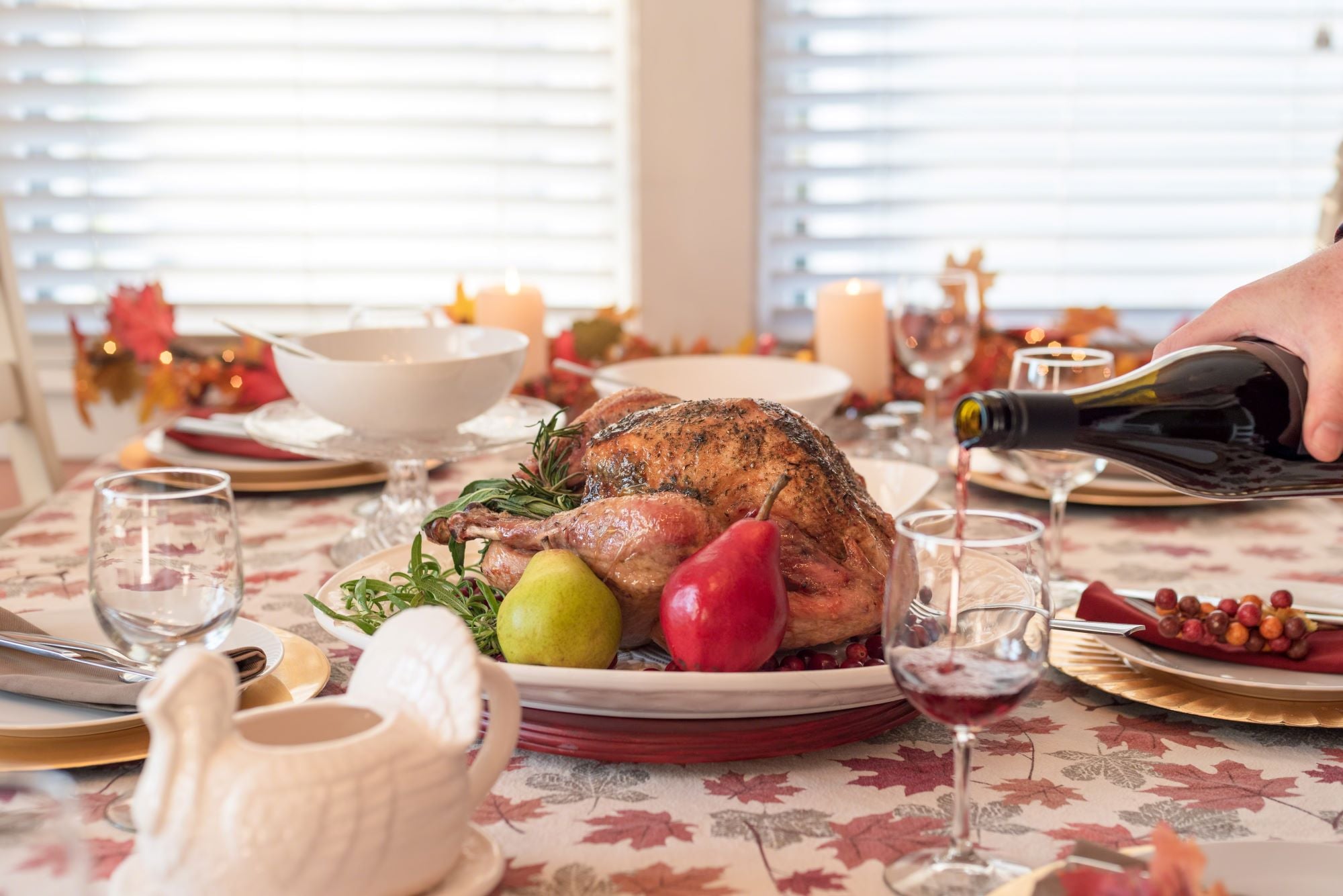
Thanksgiving meal with roasted turkey By krisprahl
For a holiday that isn’t technically Jewish, Thanksgiving is remarkably on brand for us.
It’s a big meal.
It’s rooted in history.
There are strong opinions about how things “should” be done.
But unlike our Jewish holidays, Thanksgiving doesn’t come with a script. There’s no machzor, no prescribed melodies, no rules about dipping. We’re given food, family, and a national invitation to be grateful, and then it’s up to us to turn dinner into meaning.
So what happens if we borrow just a little of Judaism’s ritual toolbox to elevate Thanksgiving, without turning it into Passover: Part II?
Here are a few ideas that bring intention, reflection, and, yes, some Hebrew, without alienating the cousins who think Hamotzi is only for Orthodox Jews.
1. Create a Thanksgiving “Haggadah” (But Make It Normal)
Don’t worry: this isn’t a parody where we recite the Four Questions about stuffing.
Think of the Haggadah as a storytelling guide:
-
-
We recall why we’re gathered.
-
We honor those who came before us.
-
We connect past blessings to present responsibility.
-
A short, printable guide might include:
-
-
A poem or blessing to open the meal
-
Family stories (from immigration to “the year the sweet potato marshmallows set off the smoke alarm”)
-
Passages on gratitude from Psalms or modern rabbis
-
Questions like, “Who did invisible work to bring this food to the table?”
-
It’s not about ritualizing Thanksgiving; it’s about giving the evening a beginning, middle, and end rather than… immediate complaints about how dry the turkey is.
2. Place Cards With Blessings or Prompts
Place cards are usually decorative. They could also be reflective.
Ideas to print on each card:
-
-
A traditional blessing (Hamotzi, Shehakol, Borei Pri HaAdamah)
-
A verse like “Hodu l’Adonai ki tov”—which, conveniently, includes the word hodu (“give thanks”) and also means “turkey” in modern Hebrew. A linguistic miracle.
-
Prompts such as:
“Name one person not at this table who made your year better.”
-
It’s a quiet way to turn the table into a conversation worth remembering, not just a debate about whether canned cranberry sauce counts as “real.”
(For the record: it does. The shape of the can is nostalgic.)
3. Start With Song (Even a Niggun Works)
In Jewish life, music announces that something sacred is beginning. Why should Thanksgiving start with everyone yelling, “Pass the gravy”?
Choose:
-
-
A niggun from camp
-
A soft melody to Modeh Ani
-
Or a simple tune someone hums while others join in awkwardly but sweetly
-
No guitar required. No kittel (cantor’s white robe). Just a moment to breathe before the turkey enters the chat.
4. Pause for Shehecheyanu
Thanksgiving often reunites people who haven’t been in the same room for months—or brings in new people entirely: new partners, new babies, someone’s roommate who didn’t want to fly home.
It’s the perfect moment for:
Baruch atah Adonai Eloheinu Melech ha-olam, shehecheyanu v-ki’y’manu v-higianu la-z’man ha-zeh.
Blessed are You, Our God, Ruler of the Universe, for giving us life, for sustaining us, and for enabling us to reach this season
5. Close With Action, Not Just Gratitude
Judaism teaches that gratitude should lead somewhere.
End the evening with a small ritual:
-
-
Write thank-you notes to people who shaped your year
-
Donate as a family to a cause aligned with your blessings
-
Choose a mitzvah or act of kindness to carry forward
-
A possible closing line:
“If we truly recognize the good, how will we help create more of it?”
Why This Matters
This isn’t about transforming Thanksgiving into a Jewish holiday. It’s about using our Jewish instincts — blessing, storytelling, reflection — to elevate a meal that already feels sacred.
Thanksgiving gives us a rare moment of togetherness. Jewish ritual gives us the language to honor it with humility, humor, and heart.
Put the two together, and the table becomes not just a meal, but a meaningful pause in the year—rich with memory, gratitude, and maybe a little pumpkin pie theology.
Related Topics
Related Posts