
From the Chickasaw Nation to Jerusalem
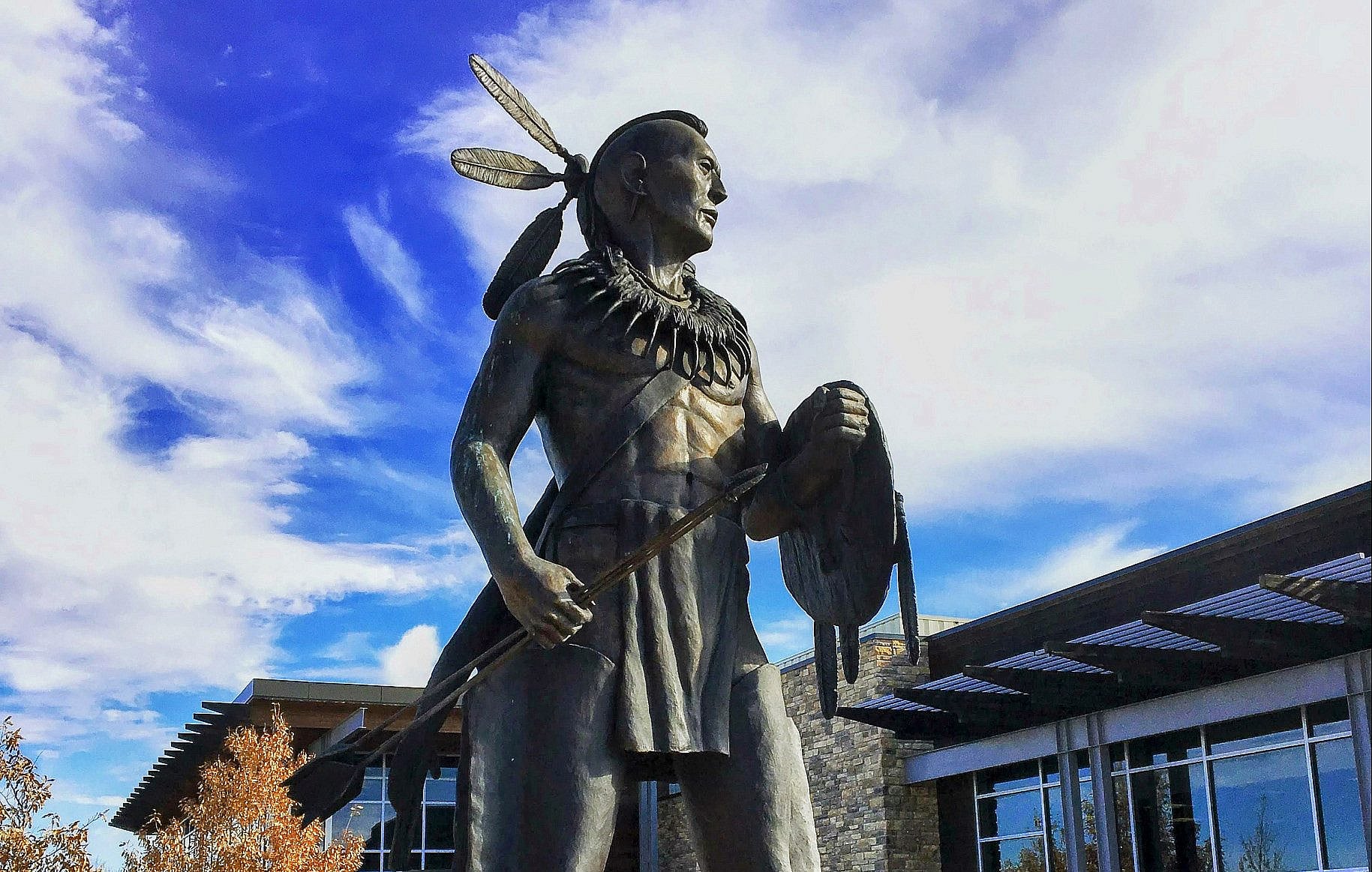
A Chickasaw perspective on Native American Heritage Month, Thanksgiving, and witnessing Jewish indigeneity firsthand.
In the United States, November is Native American Heritage Month. It’s when schools, institutions, and media briefly pause to acknowledge the first peoples of the land. For Native Americans themselves, this isn’t a once-a-year identity check. As a citizen of the Chickasaw Nation, every month is Native American Heritage Month. Heritage isn’t seasonal for me; it’s daily life. It shapes how I see the world, and how I understand history, resilience, and home.
Observing this month from Israel adds another dimension. I’m living in a country where an Indigenous people did something no one else in history has managed: they returned home after millennia of exile and rebuilt their sovereign nation. Native nations know the stories of forced removal, dispossession, and the struggle to preserve culture under pressure. Witnessing a people not only survive those forces but overcome them through language revival, cultural renewal, and political restoration is powerful. Israel, in this sense, is the most successful decolonization effort in world history.
This idea often gets twisted in global conversations. The language of “Indigenous” and “colonizer” is frequently misused, flattened into slogans with little regard for factual history or lived Indigenous experience. Living here, however, reveals something very different. I see an Indigenous people rooted in an ancestral landscape, with cultural memory stretching thousands of years, practicing traditions that never disappeared, even when they were scattered across continents. I see a nation whose ancient language is once again spoken in the streets. This resonates deeply with me.
Being Chickasaw in Israel also sharpens my sense of gratitude. In the U.S., Thanksgiving is complicated for many Native families. It carries the weight of history, but also the reality of survival, resilience, and community. For me, the holiday isn’t about a sanitized national myth; it’s about giving thanks that our people are still here, still practicing our traditions, still telling our stories. As Thanksgiving passes in the United States, I’m reminded that gratitude in Native communities is not tied to a single holiday. It is a way of seeing the world: giving thanks that our languages are still spoken, our nations still stand, and our children still inherit traditions that were nearly erased. In Israel, that same spirit exists, gratitude not only for survival, but for sovereignty restored.
Here in Israel, gratitude is also woven into everyday life. Jewish tradition is full of rituals of thanks, morning blessings, Shabbat, and the rhythm of holidays that link past and present. Gratitude isn’t performative, it’s cultural memory in motion. In this way, Indigenous values echo across two very different homelands.
As November ends, I’m thinking about what it means to carry Chickasaw heritage while living in Jerusalem with my Jewish-Israeli family. I think about two nations, Chickasaw and Jewish, that endured displacement and cultural pressure. Two peoples who refused to disappear. Two stories of survival that challenge the world’s assumptions about Indigeneity.
Native American Heritage Month may have ended on the calendar, but it never ends for Native peoples. In Israel, Jewish heritage is celebrated not by proclamation but simply through existence. Living at the intersection of both stories deepens my gratitude, my identity, and my hope for true Indigenous solidarity around the world. November should remind people everywhere that Indigenous survival is not symbolic; it is ongoing. In my home in Israel, and in my home in the Chickasaw Nation, that story continues.