Tech Executive Amplifying Israel’s Truth
Featured Post
Bringing the IDF to the yeshiva: A path to unity
Imagine uniforms and black hats under one roof, gemaras and laptops at the same table, protecting the community and the state, all within the current budget
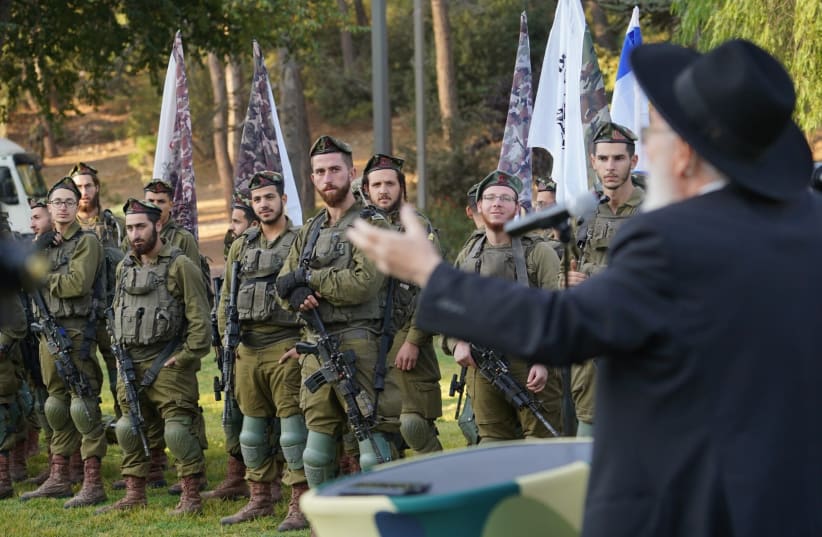
Israel Defense Forces (IDF): Netzah Yehuda Unit
Israel is living through a hard season. The country needs more hands for defense while the divide over Haredi service grows sharper. For many, the current reality feels unequal. For the Haredi world, Torah learning is not a negotiable hobby. It is the beating heart of Jewish life.
For years, we tried pressure: penalties, lost benefits, public shaming. It did not solve the problem. It deepened mistrust. There is a better way. If the Haredi world cannot go to the army in the usual form, then the army should come respectfully into the Haredi world — not to replace Torah, but to serve it and to protect Am Yisrael alongside it.
The Core Vision: Service Inside the Beit Midrash
Picture official service tracks anchored in yeshivas. The day begins with Torah study as always. Alongside it, structured national service happens in roles that match halachic life: cyber defense, intelligence support, medical response, logistics, neighborhood security, and Homefront readiness. Uniforms and black hats under one roof. Gemaras and secure laptops at the same tables. The beit midrash stays holy. The contribution becomes tangible.
This is not fantasy. Israel already runs religiously accommodating frameworks. The point here is to make the setting Haredi by default and to give rabbinic leadership real authority, not symbolic approval.
Fairness First: Equal Benefits, No New Perks
A common concern is social injustice: “Will this give extras to one community?” The answer must be no. Every Israeli who serves should receive the same existing soldier benefits. The difference is location and schedule, not reward.
We do not need a bigger budget. We need a smarter one. Funds already allocated to yeshiva support and to IDF soldier benefits can be restructured. Service done through a yeshiva‑based track qualifies for the standard benefits any soldier receives. No parallel privilege. No add‑ons. Just equity.
The Educational Gap: Speak in Our Language
Much resistance is born from a simple fact: many students and families do not actually know what military service offers or what accommodations already exist. They hear “IDF” and imagine cultural erasure.
Close the gap by teaching in the yeshiva’s own language, with trusted messengers. Rabbanim, alumni of Haredi‑friendly service, and community figures can present clear information about what service looks like, what benefits it brings, and how it fits halachic life. Short pre‑service shiurim and orientation days can be built into the zman. The tone is not recruitment. It is clarity, dignity, and pikuach nefesh.
Rabbis at the Center: Real Authority, Real Partnership
No plan works if roshei yeshiva and community leaders feel bypassed. Put them at the heart of design and oversight.
Create a standing rabbinic council that sets guardrails on modesty, kashrut, Shabbat, and learning schedules. Give them binding review over training materials and campus conduct. Recognize their leadership publicly when milestones are met. This is not window dressing. It is the essential engine of trust.
A Homefront Entry Point the Community Already Understands
Begin where acceptance is strongest: lifesaving and local protection. Build Beit Midrash Homefront Units that look and feel like what communities already respect — think Hatzalah‑style EMT and neighborhood preparedness, now structured with Homefront Command standards. Students train for first response, shelter management, evacuations, communications, and civil resilience. It is service that a rosh yeshiva can bless and parents can be proud of, because it visibly protects Jewish life.
These units can share space with cyber and logistics labs on or next to campus. All of it runs on strict halachic standards with rabbinic sign‑off.
How Many Hours, Practically?
Set expectations that are real, measured, and equal in spirit to other national service loads, without crushing the seder. Two workable examples:
- Steady‑state model: about 6–8 hours of service per week during zman (roughly 25–35 hours per month) in defined blocks, scheduled between sedarim or at night for designated roles. Torah study remains the anchor of the day.
- Bein Hazmanim intensives: concentrated 3–6 week service blocks each year that cover a significant portion of the annual service quota, so zman hours stay focused on learning.
Hours are logged, verified, and credited the same way other soldiers’ hours are. The result: a fair contribution that honors Torah time.
Rollout That Avoids Protests and Builds Trust
Do not march officers into a beit midrash. Start with willing partners and grow by example.
Phase 1: Adjacent centers. Place training hubs next to participating yeshivas. Students walk across a courtyard, not across a cultural line. Schedules follow the rosh yeshiva’s clock. Standards are clear and signed.
Phase 2: On‑campus integration. After trust forms, add small service rooms on campus: a cyber lab, a medical room, a logistics cell. The beit midrash remains the center. Service lives in carefully placed windows around it.
Phase 3: Pathways outward. Those who want to transition to regular bases can do so with full religious accommodation. Others complete their full term inside the integrated track. Familiarity reduces fear. Choice builds buy‑in.
Budget Mechanics Without New Spending
- Keep it simple and transparent:
- Recognize yeshiva‑based service as qualifying service for existing soldier benefits: stipends, housing points, education support, pension credits.
- Rebalance current yeshiva support so that a portion is tied to verified learning plus verified service. Protect a base floor so non‑participating institutions do not collapse overnight. No new money, only reallocation.
- Publish a clear calculator so every family and every rosh yeshiva can see how hours, benefits, and support line up.
Amnesty and a Clean On‑Ramp
Offer a short regularization window. Anyone currently out of status can enroll in the integrated track and start fresh. No retroactive punishments once service milestones are met. That is not indulgence. It is how you turn the page together.
What Each Side Gains
For Yeshiva students: Your Torah remains your center. You serve in ways that honor halacha and build real skills. You receive the same recognition as any soldier because your contribution is real.
For Roshei Yeshiva and teachers: Your institutions stay strong. You hold the keys on standards and scheduling. You lead young men toward mitzvah and responsibility without sending them far from home.
For families and communities: You see concrete dividends: trained first responders, safer neighborhoods, better emergency readiness. Service brings kavod, not conflict.
For secular Israelis, soldiers, and reservists: Manpower grows. Readiness improves. The burden is shared. The principle is fair: equal service earns equal benefits.
For government: No ballooned budgets. A transparent formula. A calmer public square. A path that heals instead of inflames.
Measuring Success Without Weakening Torah
Publish a short list of plain metrics the whole country can respect: total service hours delivered, response times improved, incidents handled, cyber events mitigated, and, crucially, yeshiva learning hours preserved. If Torah time slips, the program automatically rebalances in favor of study until targets recover. The beit midrash stays first.
The New Social Contract
This is not surrender of values. It is a renewal of shared duty. To the Haredi world: your Torah is honored and protected. To the rest of Israel: you will not carry the burden alone. To the IDF: identity is not an obstacle. It is an asset when treated with respect.
We tried penalties and got protests. Let us try partnership and get progress. Bring the IDF to the yeshiva through education, rabbinic leadership, Homefront‑anchored service, and fair budget restructuring. In a few years, what seems impossible can feel ordinary: uniforms in the beit midrash, Gemaras on IDF bases, rabbis and commanders planning together.
Israel needs the book and the shield. Side by side. Now.
Related Topics