Building a Land, Shaping a People
The opening verses of Sefer Devarim contain a detail that seems almost incidental:
אחד עשר יום מחורב דרך הר שעיר עד קדש ברנע
It is eleven days from Horeb, by way of Mount Seir, to Kadesh Barnea.
Devarim 1:2
Rashi notes the painful irony hidden within those words. The journey from Sinai to the threshold of the Promised Land should have taken eleven days. Instead, it took forty years.
The nation stood at Kadesh Barnea with the Land already in sight. Behind them lay Egypt, the splitting of the sea, Sinai, and the miracles of the wilderness. Ahead of them lay the fulfilment of a promise that stretched back to Avraham. Yet at the very moment they were called upon to enter, they hesitated.
The spies saw fortified cities and powerful nations. Yehoshua and Kalev saw the very same hills, valleys and vineyards. The difference was not what they saw, but what they believed those things represented.
The Ramban notes that the command to inherit the Land and dwell within it forms part of a single mitzvah. First comes possession. Then comes settlement. First the Land must be acquired. Then a society worthy of dwelling within it must be built.
Under Yehoshua, that process began. The Jordan was crossed, tribal boundaries were drawn, vineyards were planted, and homes were built. What had existed for generations as a promise was now becoming a reality.
Yet Moshe, standing on the plains of Moav and looking across the river he himself would never cross, understood that entering the Land was not the ultimate challenge.
Crossing the Jordan would take courage.
Building a nation worthy of its calling would take generations.
Again and again throughout Sefer Devarim, he returns to the same warning:
השמר לך פן תשכח את ה’
Beware lest you forget Hashem.
Devarim 8:11
The danger was not that the people would fail to enter the Land. The danger was that they would succeed. That prosperity would dull memory and comfort would weaken purpose. That the nation would inherit the Land, yet slowly forget why it had been given.
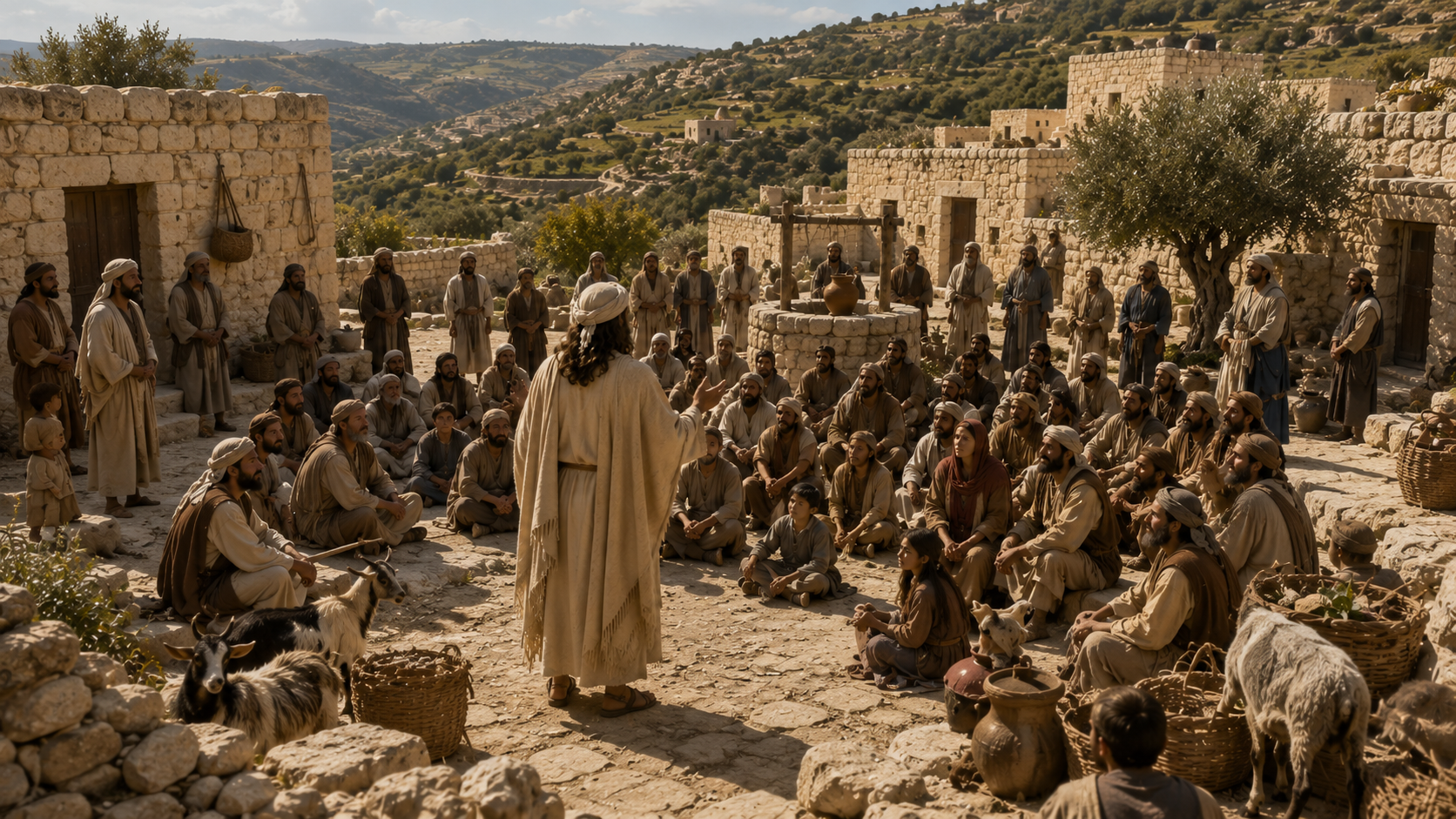
Centuries later, during the turbulent period of the Shoftim, Moshe’s concern began to unfold before the nation’s eyes. The people were settled, harvests filled their storehouses, and towns and villages flourished. Yet something essential was beginning to slip away. The struggle was no longer over territory, but over identity.
Into this spiritual vacuum stepped Shmuel HaNavi.
וְהָלַךְ מִדֵּי שָׁנָה בְשָׁנָה וְסָבַב בֵּית אֵל וְהַגִּלְגָּל וְהַמִּצְפָּה
Year after year he travelled through Beit El, Gilgal and Mitzpah.
I Shmuel 7:16
The Malbim explains that these were not merely judicial circuits. Shmuel travelled from town to town strengthening faith, restoring unity, and drawing the people closer to Hashem. While Yehoshua had spent his life helping the nation establish itself in the Land, Shmuel devoted his life to ensuring that its deeper purpose was never forgotten.
The Maharal teaches that every spiritual reality requires a vessel through which it can be expressed. Without a vessel, holiness remains abstract; without spiritual content, the vessel serves little purpose.
In many ways, Yehoshua built that vessel, while Shmuel ensured it was filled with the faith and purpose for which it had been created.
Rabbi Yehuda HaLevi, in the Kuzari, describes Eretz Yisrael as uniquely suited for the revelation of the Divine Presence. The Land was never merely a place of refuge or national sovereignty. It was the setting in which the covenant between Hashem and His people could be lived.
For nearly two thousand years, Jews prayed facing Jerusalem and ended the Seder with the words, “Next year in Jerusalem.” When that longing finally began to be realised, the work of restoration began once again.
Yet the challenge that confronted Yehoshua and later Shmuel remains unchanged.
The lesson of the spies was never merely about entering the Land. It was about becoming worthy of the responsibility that awaited them there.
Walking from Sinai to Kadesh Barnea takes eleven days.
Shaping a nation worthy of its calling can take generations.
That was Moshe’s concern on the plains of Moav before the nation crossed the Jordan. It was Shmuel’s mission centuries later. And it remains the challenge of every generation fortunate enough to call the Land of Israel home.
For the task was never only to build a Land.
It was always to shape a people.
שבת שלום
שמואל