CEO of Time to Stand Up for Israel
Bukra, Insha’Allah
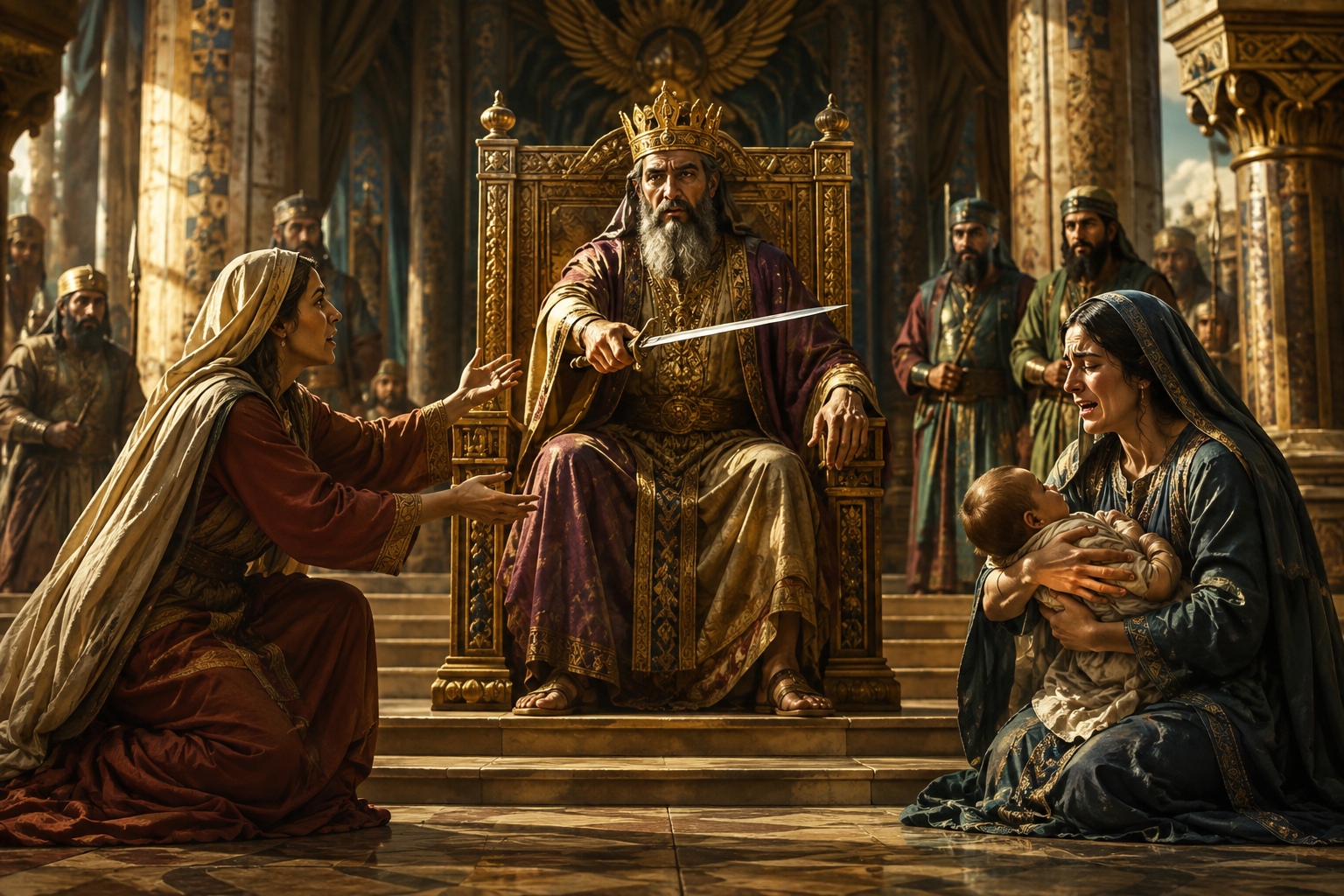
Photo credits: Sabine Sterk (AI)
The narrative surrounding the Middle Eastern conflict is frequently reduced to sanitized diplomatic statements, abstract legal arguments, and carefully curated public relations campaigns. Yet, the starkest truth of the region is written directly into its soil.
The divide between progress and paralysis in the Levant is not a secret hidden in classified archives; it is a visible, physical reality. When crossing the border from Israel into Syria, the contrast hits like a sledgehammer. On one side lies a green, blossoming landscape forged through deliberate cultivation and relentless technological innovation. On the other lies a desolate, sunbaked stretch of road where modern ambition goes to die. This stark contrast is not a product of geographical bad luck or climate variation. It is the exact same dirt, under the exact same sun, subject to the exact same weather patterns. The difference lies entirely in human will, cultural mindset, and the fundamentally opposite choices made by the populations occupying the space.
Consider a scene played out near Quneitra decades ago that remains just as accurate today. Along a barren highway, the Syrian authorities attempted to project an image of environmental care by planting young trees every hundred meters. Predictably, those trees stood withered, drooping, and practically starving for moisture. A short distance down the road, a crew tasked with watering these struggling plants sat playing games, utterly indifferent to the dying vegetation around them. When urged to act before the trees perished, their response was the ubiquitous brush off: Bukra, Insha’Allah—Tomorrow, God willing.
That phrase, intended as a expression of faith, has instead become an ideological shield for institutional apathy and personal negligence. It is a cultural mechanism used to defer responsibility, delay effort, and absolve oneself of accountability. Decades later, almost nothing has changed. The trees remain dead, the fields remain brown, and the mindset remains firmly entrenched in passive resignation.
While Israel transformed a malaria-ridden swamp and arid desert into an agricultural marvel and technological powerhouse, vast stretches of surrounding Arab lands remain untended, neglected, and environmentally degraded. The modern flight maps tell the exact same story as the ground level reality. From high above, the border between Israel and its neighbors is immediately recognizable: a sharp, unnatural line where vibrant green stops abruptly and dull brown begins.
This reality cuts directly to the heart of the debate over territorial ownership and modern stewardship. When an entity claims deep, historical, and spiritual connection to a piece of earth, that connection must manifest in how they treat the soil, the villages, the ecosystems, and the animals under their care. Continuous neglect, environmental destruction, and an unwillingness to invest in long-term building processes reveal a profound detachment from the land itself.
This dynamic closely mirrors the classic Biblical judgment of King Solomon. Faced with two women claiming ownership of a single infant, Solomon offered to cut the child in half. The false mother readily agreed to the destruction of the child, while the true mother surrendered her claim to preserve the child’s life. The genuine owner prioritizes life, growth, and preservation above all else.
Those who build, innovate, nurture, and make the desert bloom demonstrate an unmistakable commitment to life and continuity. Conversely, those who leave their surroundings to rot while waiting for tomorrow show a complete lack of stewardship. The physical state of the land speaks louder than any political slogan or historical claim. True connection to a homeland is proven not through empty rhetoric, but through the hard, daily work of making it thrive.
Related Topics