
Middle East Analyst
Can the Democrats Lower the Cost of Living by Ending the Iran War?
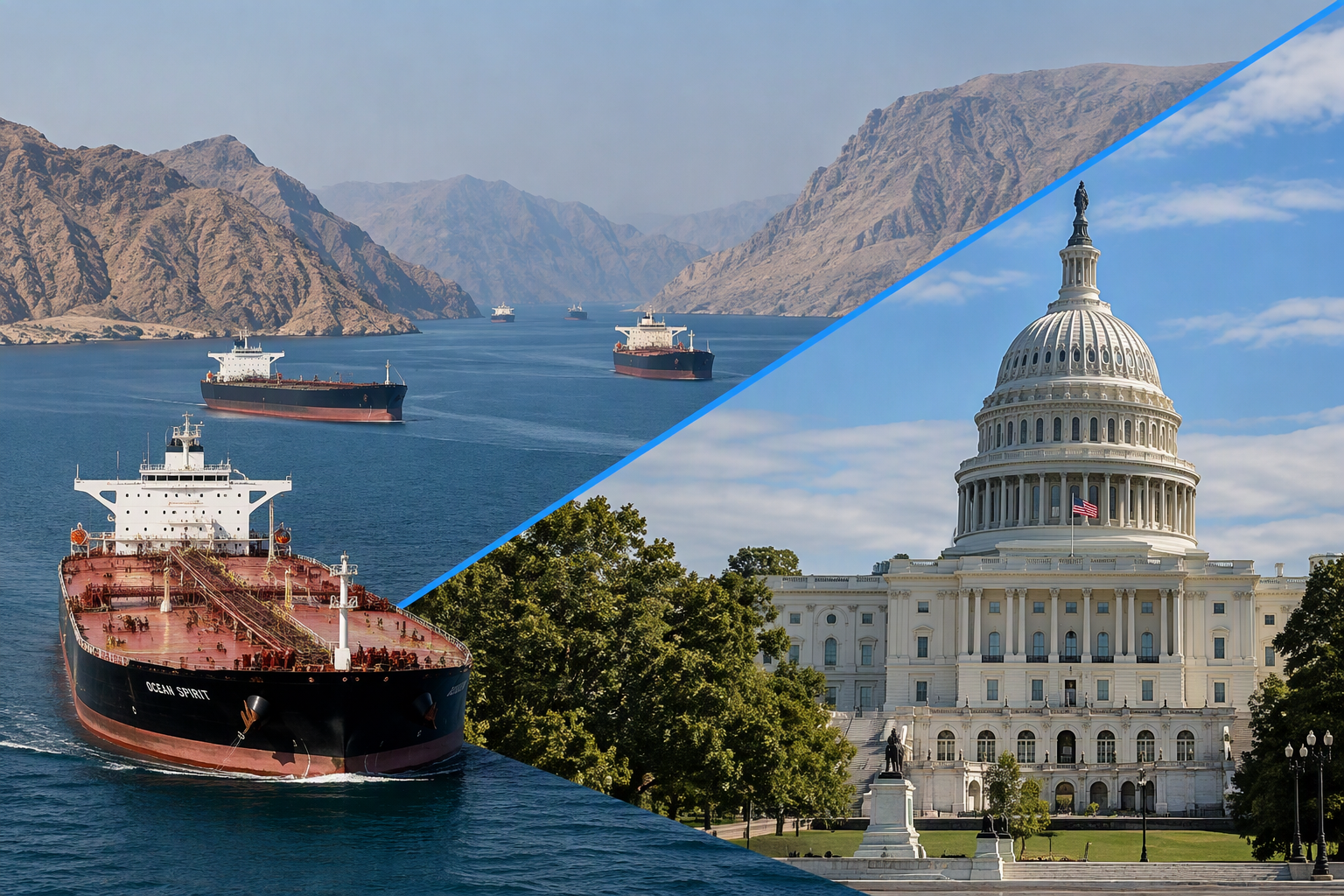
by author (AI)
The Question Facing the New Congress
The Democrats’ sweeping victory in the November midterm elections gives them control of both chambers of Congress. They campaigned against rising living costs, economic uncertainty, and the Trump administration’s handling of the war with Iran. Now they face a question that is easier to ask than to answer: What can they actually do to make life more affordable?
Domestic legislation may eventually address some of the underlying problems, but meaningful changes to housing, healthcare, taxes, and other major household expenses will take time. There is, however, one immediate economic issue that Congress cannot ignore: the Iran war and its effect on energy prices.
If the war is a primary driver of the increase in fuel and transportation costs, ending it could provide economic relief more quickly than most domestic legislative initiatives. That does not mean peace would immediately restore prewar prices or reverse inflation. But it does raise a practical question for the new Democratic majority: Could using its congressional leverage to help bring the conflict to an end produce a measurable reduction in the cost of living?
The War’s Impact on the Energy Bill
At the beginning of 2026, the national average price of regular gasoline was approximately $2.81 a gallon, according to AAA. By November 14, it had fallen to about $3.84, after reaching substantially higher levels during the conflict. That is still roughly a dollar more per gallon than Americans were paying at the start of the year.
For a household purchasing 100 gallons of gasoline a month, the difference between $2.81 and $3.84 amounts to approximately $103 in additional monthly expense, or more than $1,200 on an annualized basis. A reduction of 50 cents per gallon would save that household another $50 a month, or $600 over a year, if sustained.
That 50-cent reduction is an illustrative scenario, not a prediction. The actual decline would depend on how quickly oil production and exports recover, whether shipping through the Strait of Hormuz becomes reliably secure, and how much of the war-related risk premium disappears from energy markets.
The important point is that the war has imposed costs beyond the price displayed at the gas station. The Associated Press has reported that gasoline prices were approximately 45 percent above prewar levels at one point, while diesel prices were up considerably more. Higher energy costs have also affected transportation, manufacturing, and other businesses. These increases have not all been passed directly to consumers, but businesses cannot absorb higher operating costs indefinitely.
The Economic Cushion Is Wearing Thin
There is another important part of the story. The increase in gasoline prices would likely have been substantially worse without two developments that have helped cushion the market: the release of oil from inventories and the reduction in consumption caused by higher prices.
The International Energy Agency reported in November that global observed oil inventories had declined by a cumulative 462 million barrels since the beginning of the war. Those inventories have helped compensate for lost or disrupted production and exports. In effect, the world has been using stored oil to soften the immediate impact of the supply shock.
But inventories are not a permanent source of supply. They must eventually be replenished. Even if the war ends, the demand to rebuild depleted stocks could compete with ordinary consumption and limit how quickly prices fall. The cost of replacing those reserves does not disappear simply because the fighting stops.
The second cushion has been demand destruction. When fuel becomes expensive, consumers drive less, businesses reduce consumption where possible, and some economic activity slows. The IEA estimated that global oil demand would decline by 2.7 million barrels a day in 2026. It attributed the decline to a combination of high prices and supply disruptions.
That reduction in demand helps moderate prices, but it is hardly a sign of economic health. People and businesses are using less fuel partly because they cannot afford as much of it. The resulting economic slowdown is itself a cost of the conflict.
Seasonal patterns also matter. Gasoline demand normally rises during the summer driving season as Americans travel for vacations. Refinery maintenance, weather disruptions, and the transition between summer and winter gasoline formulations can also affect pump prices. These factors help explain why the price of gasoline does not move in a straight line with crude oil.
The war remains the primary geopolitical driver of the energy shock, but inventories, reduced consumption, seasonal demand, and refining conditions all influence how much of that shock reaches consumers.
The Strait of Hormuz: Open Is Not the Same as Normal
The Strait of Hormuz is central to the economic consequences of the war. It is a major route for global oil and natural gas shipments, and disruptions there affect far more than the countries bordering the Persian Gulf.
The latest IEA Oil Market Report, published November 13, describes a market beginning to rebalance as Gulf exports recover. Global oil supply increased by 2.3 million barrels a day in October, and the agency expects the market to return to surplus in the fourth quarter. But Gulf exports remained approximately 26 percent below prewar levels, and crude shipments were still below their previous volume.
The report also highlights the continuing threat to shipping. Tanker attacks, elevated freight rates, longer routes, and uncertainty about maritime security all add costs. A waterway can be technically navigable without being commercially secure or operating normally.
That distinction matters. Energy markets will not fully normalize merely because ships are moving again. Insurers, shipowners, refiners, and commodity traders need confidence that supplies can move reliably and without extraordinary security costs.
The November IEA report offers an indication of what normalization could accomplish. North Sea crude prices had fallen approximately 32 percent from their early October high to around $93 a barrel. European diesel prices also declined, by about 11 percent over the same period. But diesel remained approximately 77 percent above its prewar level. The market is improving, but the damage has not been reversed.
Beyond the Gas Pump: Diesel, Fertilizer, and Groceries
One weakness in the public discussion of the war’s economic impact is the tendency to focus almost exclusively on gasoline. Diesel may be even more consequential for the cost of goods Americans buy every day.
Diesel powers much of the trucking industry, agricultural machinery, construction equipment, freight transportation, and commercial shipping. Higher diesel prices increase the cost of moving food from farms to processing facilities, warehouses, distribution centers, and grocery stores. They also increase the costs of planting, harvesting, and operating farm equipment.
Businesses may absorb some of those increases temporarily, but eventually they must either pass them on to customers or accept lower margins. That is one reason the effect of higher diesel prices can appear in consumer prices after the initial energy shock.
The United States average retail diesel price fell below $6 a gallon on November 15, according to Reuters, after reaching a record high in September. That decline is encouraging, but it does not mean diesel costs have returned to normal. The EIA’s November outlook forecasts an average U.S. retail diesel price of $5.03 a gallon in 2027, compared with $3.73 for gasoline. It expects continued constraints in petroleum-product markets, particularly for diesel.
Diesel prices should benefit if crude supplies recover and the war-related risk premium declines. But they may not fall by the same percentage or at the same speed as gasoline. Diesel is a refined product with its own supply constraints. Refinery capacity, inventories, international trade, and the availability of middle distillates all affect its price. The IEA has specifically identified tight diesel supplies as a continuing concern.
Fertilizer presents another, less visible connection between the war and grocery prices. Nitrogen fertilizers such as urea and ammonia depend heavily on natural gas as a feedstock. The Persian Gulf is also a major source of internationally traded fertilizer. The Congressional Research Service has noted that countries in the region account for more than a third of global urea supplies.
Disruptions to Gulf exports therefore affect both the availability and cost of fertilizer. Farmers facing higher fertilizer prices may absorb the additional expense, reduce application rates, or make different planting decisions. Those choices can affect crop yields and food production well beyond the immediate period of disruption.
The relationship is not as direct as it is with diesel. A decline in gasoline prices does not automatically reduce fertilizer prices. Natural gas markets, fertilizer production capacity, export availability, and planting cycles are separate variables. Nevertheless, a durable settlement that restores normal Gulf energy and commodity shipments would remove an important source of upward pressure on both fertilizer and food production costs.
Consumers should not expect grocery prices to fall immediately when energy prices decline. Existing contracts, inventories, transportation arrangements, and the timing of agricultural production all slow the transmission. And prices that have already risen do not necessarily return to their former levels. But ending the conflict could reduce the pressure for further increases and improve the prospects for lower costs over time.
What Power Would Democrats Actually Have?
Democratic control of Congress does not give the party the power to order the president to end the war. The president remains commander in chief, and Congress cannot simply negotiate a settlement with Tehran on its own.
But Congress has substantial leverage.
The most direct instrument is the power of the purse. The new majority can scrutinize supplemental military spending, impose conditions on appropriations, and demand a clearer accounting of the war’s costs and objectives. It can also use hearings and investigations to examine the administration’s strategy, the assumptions behind the decision to continue the conflict, and the economic consequences for American households.
The War Powers Resolution provides another avenue for congressional action, although its practical limitations and the possibility of a presidential veto make it an imperfect instrument. A determined majority could also use legislation to require greater reporting and accountability for the conduct and duration of the conflict.
None of these measures guarantees an end to the war. Nor should Congress pursue a settlement that leaves the United States, its allies, or regional shipping exposed to an immediate and renewed threat. But the new majority can make clear that continued military action will not receive an automatic blank check.
The objective should not be to claim that every dollar spent on the war is unnecessary or that the United States can dictate the terms of peace. It should be to insist that the administration explain what it is trying to achieve, what it will cost, and what conditions would justify continuing the conflict.
The Iranian Calculation
There is also a risk that Tehran will interpret American political pressure as an incentive to prolong negotiations or wait for the United States to lose patience. Iran could conclude that a new Congress focused on domestic costs will be less willing to sustain military operations.
That possibility should not be dismissed. Tehran has its own strategic objectives and may calculate that time is on its side. It could also attempt to use the threat to shipping and energy exports as leverage in negotiations.
But the possibility of Iranian manipulation is not a reason for Washington to ignore the economic consequences of the war. A settlement must protect essential American and allied interests, including the freedom of navigation through Hormuz and the prevention of renewed attacks on regional energy infrastructure. It must also address the underlying security issues that led to the conflict.
Ending the war is not the same as declaring that Iran has been defeated, that its capabilities have disappeared, or that the region is suddenly stable. It means determining whether continued military operations are producing results that justify their growing economic and strategic costs.
What If Trump Ends the War Himself?
There is another political complication. President Trump could decide to pursue a settlement without congressional pressure. If that happens, he will almost certainly claim credit for ending the war and restoring economic stability.
Democrats should not make the mistake of treating that possibility as a political defeat. The purpose of congressional oversight should be to influence policy and produce results, not to secure exclusive ownership of a peace agreement.
If a settlement restores reliable energy shipments, reduces shipping costs, and lowers gasoline and diesel prices, American households will benefit regardless of which political party receives credit. The same applies if lower energy and fertilizer costs eventually help moderate grocery prices.
Voters are unlikely to care as much about who claims responsibility as they will about whether their household budgets improve. Democrats would have a stronger argument if they could demonstrate that congressional pressure helped bring about a responsible end to a costly conflict. But they should not obstruct a genuine settlement simply because the president might receive political credit for it.
The Bottom Line
The Iran war is not the only cause of America’s affordability problems, and ending it will not solve them all. Housing, healthcare, insurance, wages, interest rates, and other domestic issues will continue to require attention. Nor can anyone promise that gasoline prices will immediately return to their prewar levels.
But the war has added a significant and avoidable burden to the cost of living. Its effects extend from gasoline and diesel to freight, agriculture, fertilizer, and ultimately the prices consumers pay for food and other goods.
The latest energy data suggests that the market is beginning to recover as Gulf exports increase. Yet inventories remain depleted, diesel supplies are tight, and shipping through the Strait of Hormuz is not back to normal. A durable settlement could accelerate that recovery, although the benefits would arrive at different speeds across the economy.
The new Democratic majority has an opportunity to use its oversight and spending powers to press for a clear strategy and a credible diplomatic exit. It cannot dictate the outcome, and it should not sacrifice essential security interests for a short-term political advantage. But it can insist that the administration weigh the economic consequences of continuing the war against the results it expects to achieve.
For Americans struggling with the cost of living, that is not an abstract foreign-policy debate. It is a question of how much they pay to fill their cars, transport their goods, operate their farms, and put food on the table.
If ending the war can reduce those costs while protecting vital American interests, it should be treated as an economic priority as well as a foreign-policy objective.
Related Topics
Related Posts