
Truth Beyond Headlines
Can the UN Regain Trust?
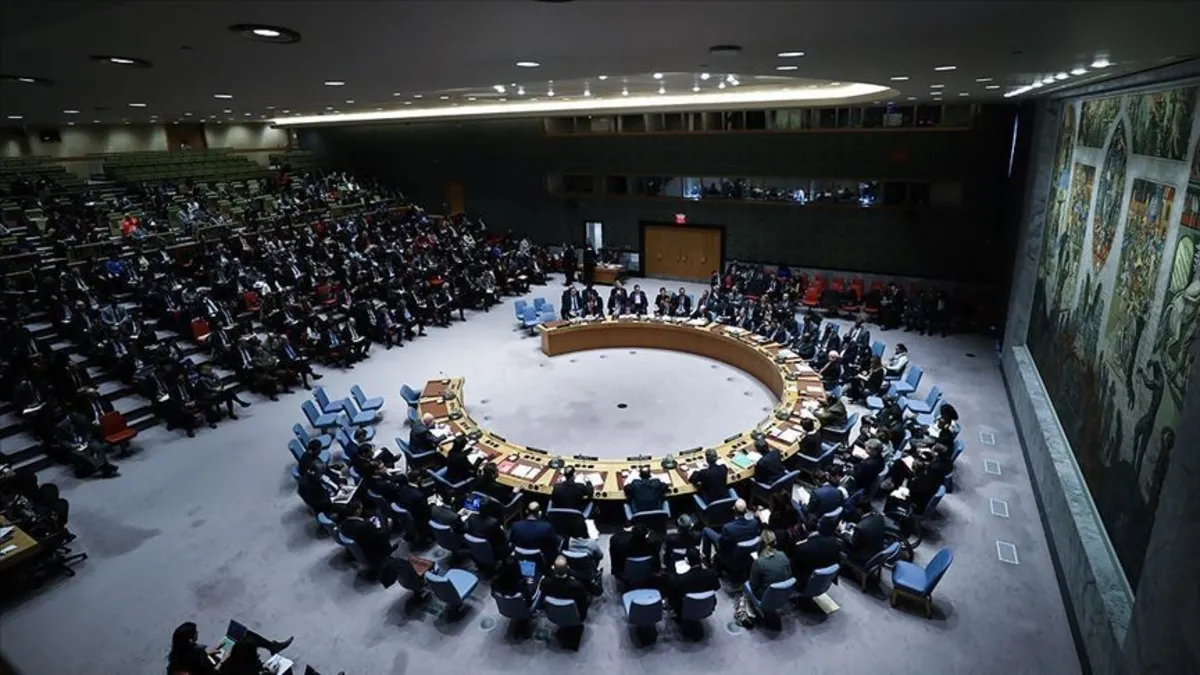
The United Nations was founded with a clear mission: to protect civilians, uphold international law, and provide humanitarian assistance without political or ideological bias. For decades, it has represented hope for people affected by war, displacement, and humanitarian crises. Yet no international institution can preserve its credibility through its founding principles alone. Trust depends on accountability, transparency, and the consistent application of the values it claims to defend.
In recent years, growing public debate has raised important questions about whether the United Nations is meeting these expectations. Criticism has focused on the responses of some UN bodies to armed conflicts, allegations involving affiliated agencies, and the perception that similar situations are sometimes treated differently depending on political circumstances. Whether those perceptions are accurate or not, they have contributed to a decline in public confidence.
Credibility is one of the UN’s greatest strengths. Once public trust begins to erode, restoring confidence becomes increasingly difficult. International organizations derive much of their authority from the belief that they apply universal standards fairly and consistently. If accountability appears selective, that authority is inevitably weakened.
One of the most significant challenges facing the United Nations today is the perception of inconsistency. Victims of violence deserve equal recognition and equal protection regardless of nationality, religion, or political context. Humanitarian principles are most effective when they are applied universally rather than selectively.
Questions surrounding some UN agencies have also intensified calls for greater transparency and institutional oversight. Public confidence depends not only on humanitarian work itself but also on the willingness of international organizations to investigate concerns openly and strengthen accountability when necessary.
The broader issue extends beyond any single conflict. International institutions remain essential for diplomacy, humanitarian coordination, and the promotion of international law. However, these responsibilities require public trust. If people begin to believe that political considerations outweigh humanitarian principles, confidence in the institution inevitably suffers.
A recent public exchange further illustrated this challenge. Ilana Gritzewsky, who survived captivity after being abducted during the October 7 attacks, publicly criticized UN Special Rapporteur Reem Alsalem, arguing that the experiences of Israeli women who reported sexual violence had not received sufficient attention. Regardless of political perspectives, moments like these highlight the importance of ensuring that every victim is heard with equal dignity and seriousness. International institutions should avoid creating the perception that some victims matter more than others.
The United Nations remains indispensable. The world continues to need institutions capable of facilitating dialogue, coordinating humanitarian assistance, and supporting international law. Preserving that role, however, requires continuous self-examination and a willingness to strengthen institutional accountability whenever public confidence is challenged.
Restoring trust will depend not on statements alone but on consistent action. Transparency, equal accountability, and impartial application of humanitarian principles are essential if the United Nations hopes to maintain its legitimacy in an increasingly polarized world.
Conclusion
The future effectiveness of the United Nations depends not only on its history but on its ability to uphold the principles upon which it was founded. Equal accountability, institutional transparency, and respect for every victim are essential if the organization wishes to preserve global confidence.
At a time when international institutions face growing scrutiny, the UN’s greatest responsibility is not only to respond to crises but also to demonstrate that justice, humanitarian values, and human dignity apply equally to all. Only through consistency and accountability can the organization truly regain the trust upon which its mission depends.
Related Topics