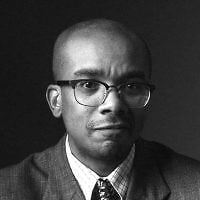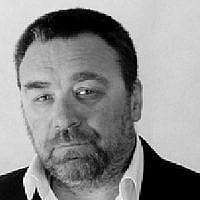
Challenging the Distortion of Genocidal Narratives, One Song at a Time
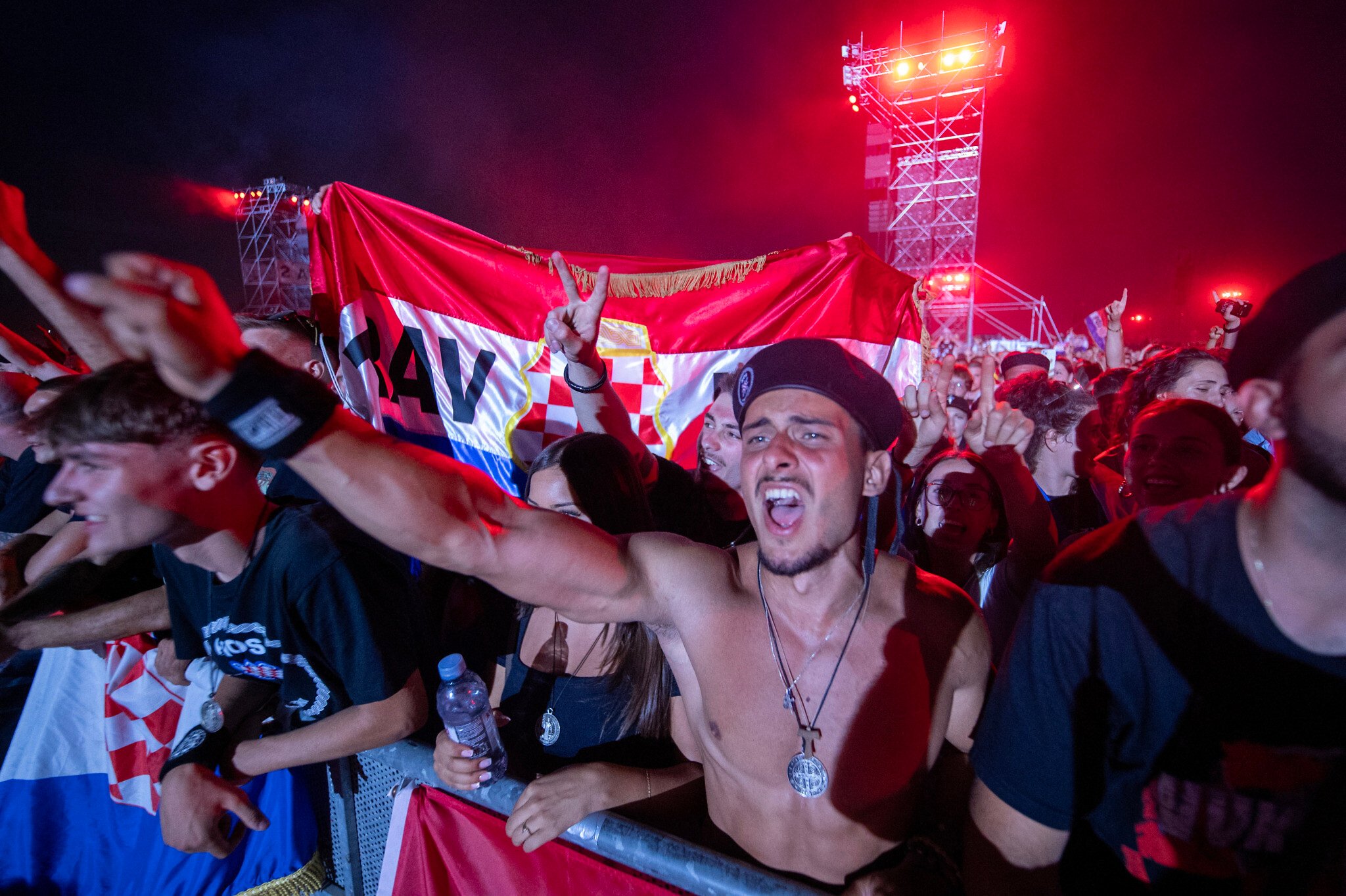
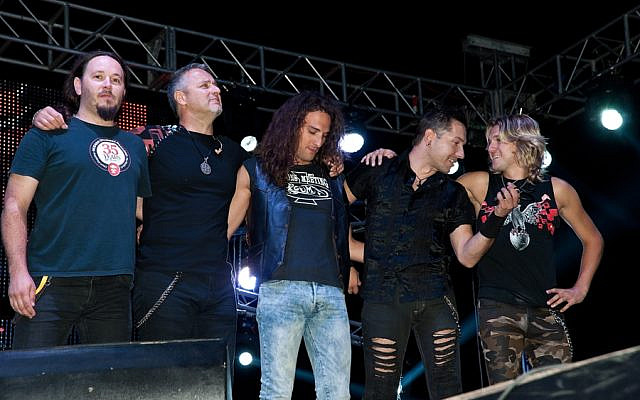
In a recent opinion piece, Thompson promotes Holocaust distortion—his lies unchallenged, published by The Jerusalem Post, and written by Efraim Zuroff and Aleksandar Nikolic, both authors criticize Croatian singer Marko Perković, also known as Thompson to his fans, and his recent concert that drew over 500,000 people for allegedly promoting ‘Holocaust distortion’ through his music and past public statements.
While some general concerns raised over historical revisionism by small numbers of individuals in the record-breaking crowd may be valid, the article overlooks a significant issue: the manipulation of Balkan history, victimology, and demographic narratives by Serbia to help bolster its own claims of victimhood and genocide.
Another darker inference is that these two authors, who both have obfuscated claims of genocide, have at the same time tried to cover up what has become an embarrassment to the integrity of Holocaust history.
Enter Mr Holocaust
Since assuming his role at the Simon Wiesenthal Centre in 1998, Efraim Zuroff—nicknamed, with a mix of reverence and unease, “Mr. Holocaust”—has increasingly found himself at the center of storms that are mostly of his own making.
Once admired as a tireless pursuer of Nazi fugitives, Zuroff’s tenure has become marked by a widening radius of controversy: from his dismissive rhetoric regarding victims from the former Yugoslavia to diplomatic missteps that have alienated long-standing allies and now, paradoxically, to positions that imperil the very memory he professes to protect.
Denial, as history reminds us, is rarely unidirectional.
Consider, for instance, Zuroff’s pronouncements on the July 11, 1995 massacre at Srebrenica, in which Bosnian Serb forces executed over eight thousand Bosnians—an atrocity the UN, EU, US, and Israel, along with the majority of the international community, have recognized unequivocally as genocide.
Zuroff, diverging sharply from this consensus, has publicly questioned that designation on the basis that “only men were killed,” a contention as legally unfounded as it is morally troubling.
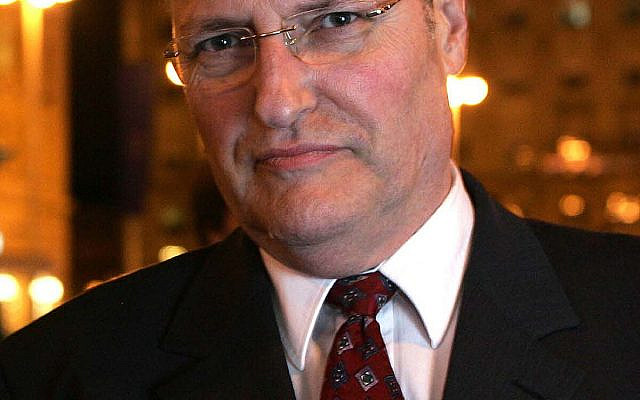
The reaction was swift and condemnatory. Among those voicing dismay was the late Elie Wiesel, a Holocaust survivor and Nobel laureate, who found Zuroff’s logic not only deeply flawed but corrosive to the very integrity of genocide recognition. In splitting semantic hairs, critics argued, Zuroff risked narrowing the definition of genocide in ways that could erode both accountability and memory.
In 2022, Zuroff’s friend and colleague, Holocaust scholar Gideon Greif, had a planned honor from Germany rescinded following mounting criticism over a similar controversial stance on the Srebrenica massacre.
By presenting a skewed version of history, Serbian nationalists foster a sense of collective victimhood, something Dr. Lea David from Haifa University alluded to when she wrote “In the Balkan states in particular, the unintended consequences of enforced memorialization have been high and are still evolving.”
It is not a coincidence that the Bosnian Serbs used this fake collective victimhood to justify their mass slaughter at Srebrenica exactly 30 years ago.
In an age when antisemitism and visceral Jew-hatred have now all but been normalized, promoting contentious claims that have little to do with Jews themselves risks adding fuel to the Jew-hating fire that’s now raging from Gaza to New York to London and Melbourne.
The Manipulation of Demography Fueling Mythomania
Serbia has been accused of falsifying historical population data to exaggerate the number of ethnic Serbs who were victims of violence during World War II and the Yugoslav Wars of the 1990s.
Investigative reports suggest that in 2024, Serbia’s ultranationalist government of President Aleksander Vucic altered its historical demographic data to obfuscate its 1933-48 population numbers so as to hide a 20% population growth at the exact same time when the Jewish population of Europe dropped by almost two-thirds, mainly due to the Holocaust, in order to portray Serbs as the primary victims in the Balkans during World War II.
This manipulation serves not only to garner international sympathy but also to deflect attention from Serbia’s own role in the atrocities committed during these periods.
The Soviet concept of DARVO, or Deflect Attack Reverse Victim & Offender, has long been a tactic practiced by Belgrade.
So it is hardly breaking news that one of the co-authors of the aforementioned article, Aleksandar Nikolic, has remained eerily silent on this issue.

Equally unsurprising is Nikolic’s silence on a phenomenon that continues in plain sight: the post-Yugoslav rehabilitation of Serbian Nazi collaborators has also been memorialized in statues and rebranded public narratives across the region.
For his part, Zuroff has consistently minimized, if not outright obscured, the wartime reality of Serbia’s “Judenfrei” status during World War II, when almost 15,000 Jews were killed, many by local collaborators. This figure represented over 90% of Serbia’s pre-war Jewish population.
In 2019, a controversy erupted after a preschool was approved to operate within the grounds of Staro Sajmište, the site of a former Nazi concentration camp in Belgrade. The decision drew criticism from Holocaust survivors, historians, and human rights groups, who said the move was deeply disrespectful, especially as plans for a long-promised memorial at the site remain unrealized still to this day.
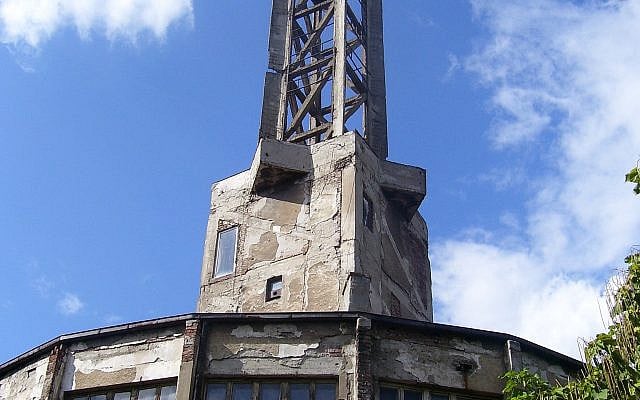
While Zuroff has made a successful (and lucrative) career out of exposing Holocaust distortion, he has remained curiously silent on issues such as this.
Various independent voices over the years have pondered as to why his own moral compass seems curiously misaligned when it comes to Serbia’s collaborationist past—a past that is not only unrepented but, in many quarters, openly celebrated.
The Importance of Accurate Historical Representation
Accurate historical representation is crucial for understanding the complexities of past conflicts and preventing future atrocities. Manipulating demographic figures and historical narratives not only distorts the truth but also disrespects the memory of all victims, regardless of their ethnic background.
It is essential that international bodies, historians, and educators such as Yad Vashem work collaboratively to ensure that history is taught and remembered as it truly occurred.
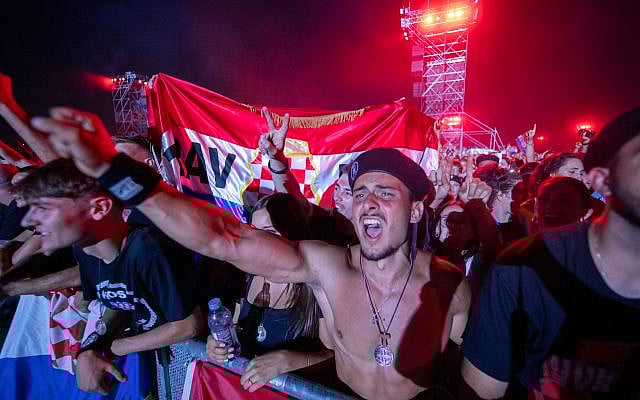
While Marko Perković Thompson’s concert may not have been to everyone’s musical tastes, it was not the glorification of mass murderers’ giga-event that the authors claim but rather a celebration of survival, resilience, and faith in the centuries-old ideal of Croatian identity, freedom, and democracy. And also, of course, music.
While confronting instances of Holocaust distortion is important and perhaps even compulsory, they should not lead to reflexive backlashes, like this one over a European summer rock concert.
It is equally vital to recognize and condemn the manipulation of other historical data like that promoted by Serbia as well as to note that this manipulation has been used by malign players—especially in the Arab world and, more recently, on the far Right—to openly question the horrors and validity of the Holocaust.
Only through a balanced commitment to truth and accuracy can we hope to achieve genuine reconciliation and understanding in the Balkans.
At a time when tensions in that region are rising, such a balanced commitment to truth and accuracy would go a long way to dampen the nationalistic fires once again burning across Serbia.
As a line from one popular Thompson song goes, “If you don’t know what happened, ask every stone of our city Dubrovnik.”