
Founder | Children’s Book Author | Empowering Women and Girls & Supporter of Global Peace Initiatives | Mom | Yema
Chasing Almond Snow and Sephardic Roots in Portugal
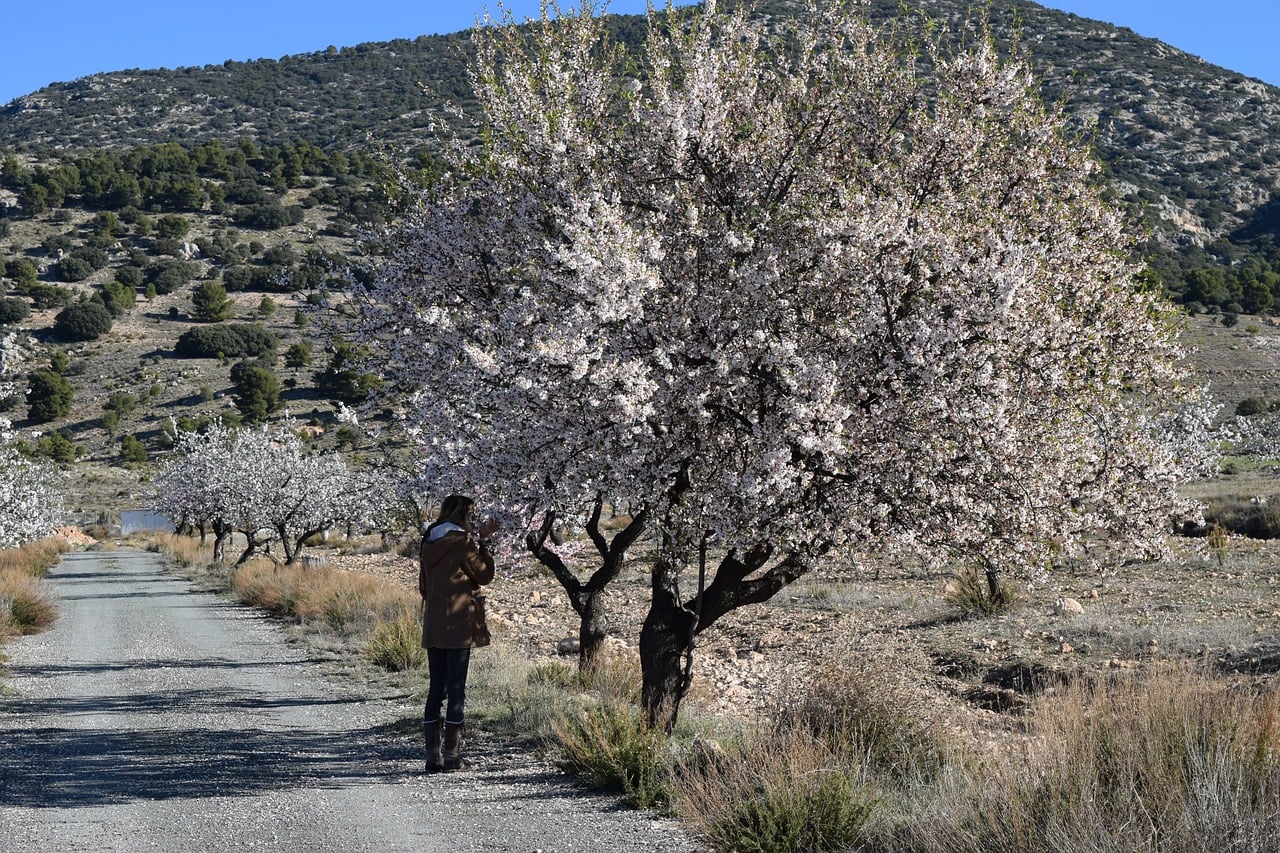
Almond blossoms in full bloom. Photo by Valverde Redactor (Pixabay)
During one of my many visits to Portugal, I had the unique and profound experience of becoming a Portuguese citizen through the Sephardic Descendants Program. My ancestors, forced out of Spain and Portugal centuries ago, settled in Morocco, carrying their language, customs, and beliefs with them. Returning in this way felt like more than a trip; it was a long-awaited homecoming, a connection spanning generations.
While many tourists flock to the Algarve for its beaches and summer buzz, I have always been enchanted by something quieter and symbolically rich: almonds. Market stalls overflowed with almonds, and nearby cafés and pastry shops tempted me with almond-based treats. I prefer visiting in February and March, when the almond trees bloom, signaling the end of winter. The region transforms into a sea of delicate pink and white blossoms, long before the busy season begins.
The story of the almond trees is as captivating as the blooms themselves. Legend has it that a prince from the Algarve fell in love with a princess from a distant, snowy land. To make her feel more at home, he had almond trees planted across the hills. When winter came, the trees bloomed all at once, resembling a snowfall. Seeing this, the princess finally felt a sense of belonging and was cured of her sadness almost immediately.
The history of the Algarve, much like its landscape, is complex. Moorish influences are evident in the winding streets, intricate tilework, and ancient fortresses, showcasing centuries of cultural interchange. As a descendant of Sephardic Jews expelled from the Iberian Peninsula, I felt a deep sense of familiarity walking through towns such as Faro, Silves, Loulé, and Tavira, where Muslims, Jews, and Christians once lived alongside each other, leaving a lasting imprint on the region’s culture.
Sephardic cuisine often features almonds in desserts, drinks, and everyday cooking. Sitting in a Mediterranean café in Faro, sipping Shrab al Loz, a sweet Arabic almond drink lightly flavored with rosewater, I felt connected not only to Portugal but to my ancestors. Almonds have long carried meaning in Jewish communities, symbolizing nourishment and life. Shrab al Loz, often served at celebrations like engagements and weddings, reflects fertility, love, and abundance.
Here’s a simple way to enjoy this traditional drink at home:
Shrab al Loz
Ingredients
- 1 cup raw whole almonds, blanched and skins removed
- 1½ cups sugar
- ½ cup water
- 1 teaspoon water (for grinding the almonds)
- 1 teaspoon rosewater
Directions
- Place the blanched almonds in a food processor with 1 teaspoon of water. Process for 1–2 minutes, until finely ground and pasty.
- Transfer the almond paste to a medium bowl. Add the sugar, ½ cup water, and rosewater. Mix well until fully combined.
- Pour the mixture into a blender and blend on high speed for 2–3 minutes, or until smooth and creamy. Transfer the almond syrup to a jar. Refrigerate or freeze for later use.
To Serve
- 1 part almond syrup
- 2 parts cold water
- A few ice cubes
Blend briefly and pour into tall glasses.
This aromatic drink is more than a beverage—it is a tribute to celebration, tradition, and continuity, shared during life’s happiest moments.
So, what are you waiting for? Plan your trip to Portugal to witness the almond blossoms, a fleeting beauty that lasts only a short time each year. Before long, they will disappear until the following season, leaving memories of their delicate charm and the stories they carry.
Related Topics
Related Posts