
Writing Where Intelligence Meets Strategy
Chokepoints of Crisis: Global Maritime Security.
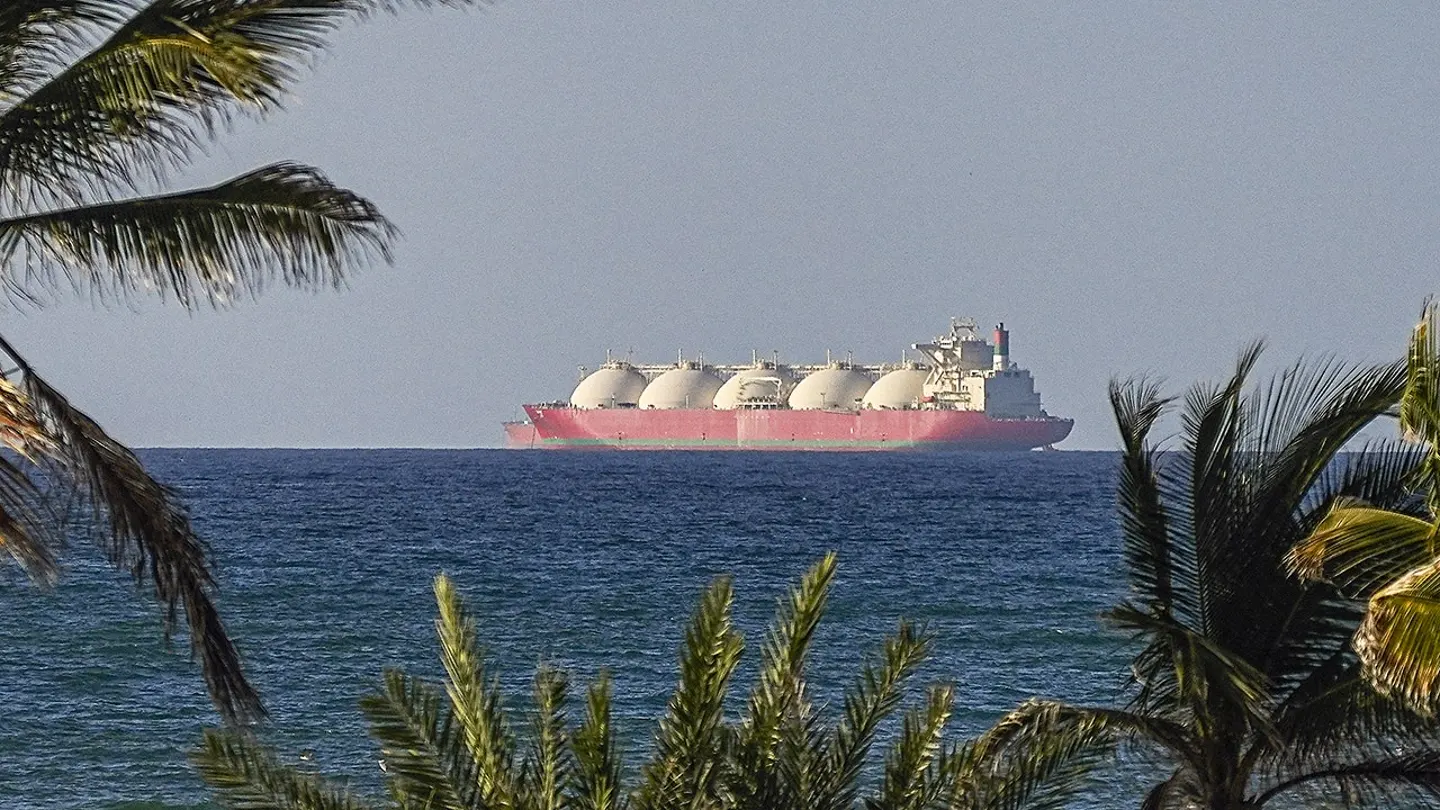
A ship transits the Strait of Hormuz during a temporary US-Iran ceasefire. (Shady Alassar/Anadolu/Getty Images)
As central shipping lanes face unprecedented asymmetric threats, the international community must recognize that regional sea-lane security is not just a local challenge; it is the fragile, critical backbone of the global economy.
In an era dominated by instantaneous news flashes and shifting daily headlines, the foundational pillars upholding the global economy often remain hidden in plain sight. Among the most critical and vulnerable targets for geopolitical disruption are the Middle East’s maritime chokepoints. From the Bab el-Mandeb Strait, across the Red Sea, to the strategic expanse of the Persian Gulf and the Strait of Hormuz,these narrow aquatic corridors are the lifelines through which global energy, commodities, and supply chains pulse.
Yet, for far too long, the international security architecture has treated threats to these vital lanes as isolated regional friction points rather than systemic crises threatening global economic stability. This is a strategic miscalculation that endangers the international economic order.
The Anatomy of Asymmetric Vulnerability
Modern maritime security has evolved far beyond conventional naval warfare between superpowers or sovereign states. Today, the strategic balance in critical waterways is routinely tested and undermined through asymmetric tactics deployed by state actors and proxies alike: low-cost unmanned aerial vehicles, anti-ship missiles, cyberattacks on port infrastructure, and the weaponization of commercial navigation.
These tactics cynically exploit the structural vulnerabilities of the global economy. Modern supply chains operate on precise, just-in-time scheduling. When tankers or container ships are forced to detour around the Cape of Good Hope, or when marine insurance premiums skyrocket overnight due to revised risk assessments, the shockwaves are felt instantly from Singapore to Rotterdam. Inflation ticks upward, critical manufacturing components stall, and energy prices fluctuate wildly. The factual takeaway is clear: security in Middle Eastern waters is inextricably linked to global economic stability.
The Blind Spot in Western Strategy
For decades, defense planning among major powers prioritized land-based deterrence and large-scale conventional conflicts. However, ongoing events in Middle Eastern waterways demonstrate that the next strategic and economic campaign is, in practice, being decided in the blue and green domains of the maritime theater.
In reality, the international community’s responses to maritime aggression have remained largely reactive rather than proactive. Targeted escort missions and defensive patrols, while essential for halting immediate crises, fail to address the root causes of instability or generate long-term deterrence. True deterrence demands a multi-dimensional geopolitical framework that integrates cross-border, real-time intelligence sharing, technological integration of advanced sensor systems, and the political resolve to enforce international law. When aggressors realize that the cost of disrupting international commerce outweighs any political or military gain, the equation shifts completely.
A Strategic-Policy Framework for Global Resilience
Building a stable and robust security architecture around these maritime chokepoints requires policymakers and global powers to abandon reactive mindsets and adopt a proactive model built on three foundational principles:
First, it is imperative to establish an integrated, multinational Maritime Domain Awareness (MDA) network. In a reality where threats are dispersed and fast-moving, no single nation, however powerful,holds a monopoly on the operational picture. Creating genuine resilience requires cross-border data integration, close and continuous intelligence-sharing between regional allies and international partners, and the incorporation of advanced sensing systems and artificial intelligence. These technologies enable forces to identify, classify, and neutralize asymmetric threats early in the preparation phase, before maritime commerce is compromised.
Second, synchronized economic policies and financial enforcement must serve as a primary deterrent. Securing shipping lanes cannot be outsourced exclusively to navies and conventional military hardware. Operational efforts must be closely synchronized with international legal and economic systems,including uncompromising economic sanctions targeting the financing, procurement, and supply networks of maritime terror, alongside direct state accountability and clear costs imposed on the regimes and patrons directing them from behind the scenes.
Third, freedom of navigation must be enforced as an absolute, non-negotiable universal principle. The global community must recognize that turning a blind eye to maritime harassment or localized strikes in core Middle Eastern corridors sets a dangerous precedent that directly invites similar shocks in other strategic regions worldwide. Freedom of navigation is not a diplomatic privilege open to political bargaining; it is a critical cornerstone of international law. Compromising on it anywhere progressively collapses the security of the entire global economy.
The Bottom Line
The geopolitics of the 21st century proves once again that politics cannot be decoupled from geography. As long as the global economy depends on the safe passage of ships through the narrow straits and seas of the Middle East, stability in these pathways remains an indispensable, cross-border interest.
It is time for policymakers, strategists, and international opinion leaders to lift their gaze beyond the daily news cycle and invest in a robust, collaborative, and sustainable maritime architecture. Because when the oxygen pipe of global commerce is choked, the entire global economy loses the ability to breathe.
Related Topics
Related Posts