
Coercion and Patience: Iran, a Race Against Time
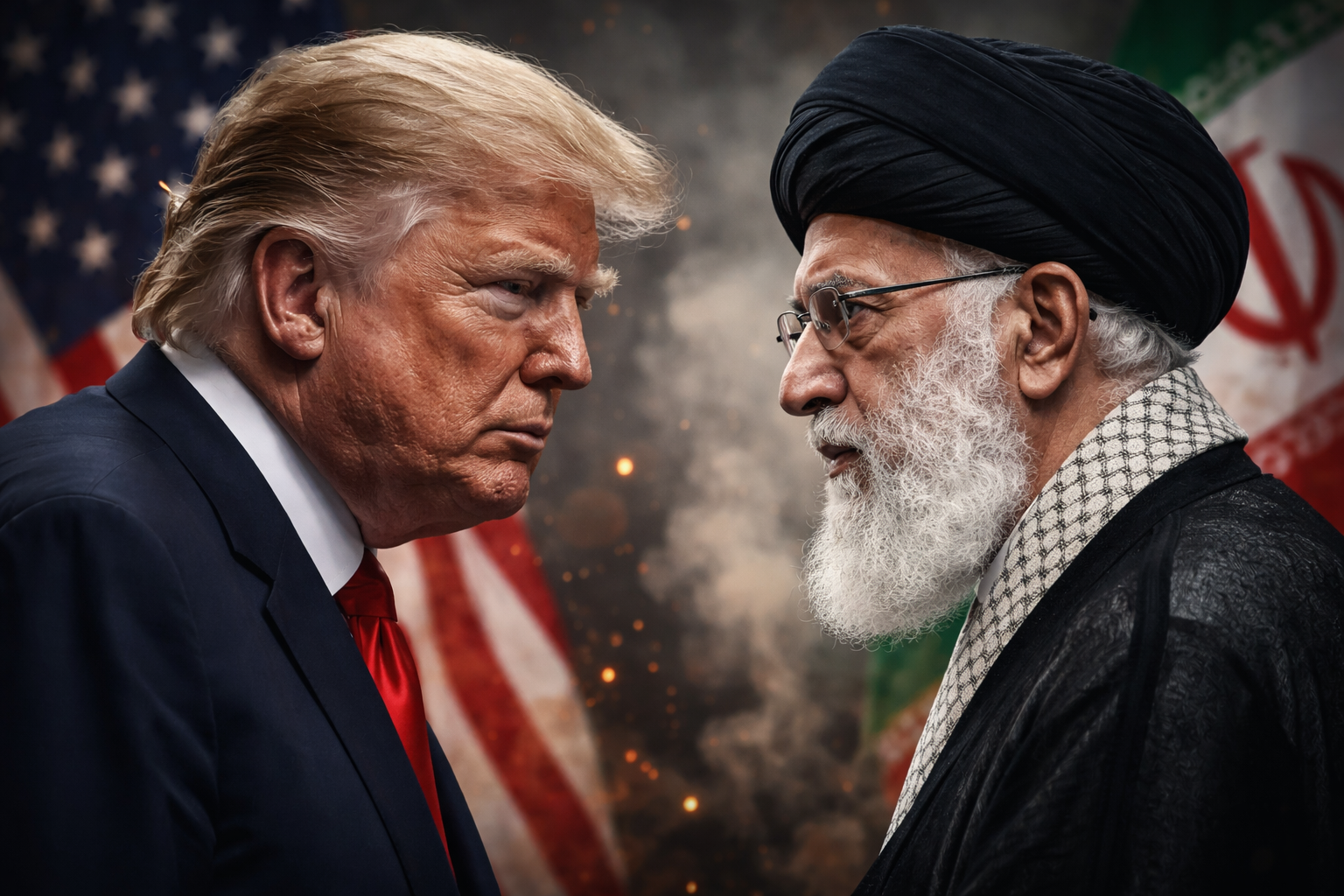
I will refrain from making predictions. War, yes/no? However, the methods used have led me to reconsider my stance on the issue.
The phrase “hot and cold” refers to a method rather than a mood swing. In the wake of early-January bloodshed on the streets of Iran, the arrival of US naval power off its coastline has turned diplomacy into a pressure chamber. The message from President Donald Trump is deliberately double-edged: “I can,” paired with “I’d rather not.” In markets, that is classic volatility engineering—raise uncertainty, widen the range of outcomes, and force counterparties to move. Washington’s “strength” is visible: carriers, bombers, deployments, and headlines.
Its “cold” is the open door that never quite closes—talks are always possible, a deal is always possible, a ramp is always there for someone willing to take it. The aim is not only deterrence; it is tempo. A regime under domestic strain hates compressed timelines. The United States is trying to shorten the clock to make a delay feel like a loss.
In contrast, Tehran has long employed a strategy of waiting. It stretches time, tests political cycles, and relies on the world’s limited attention span. In negotiations, patience is power—until it isn’t. When internal legitimacy is challenged, waiting becomes riskier: every day is another day of economic drag, another day of frayed cohesion, and another day for rivals to probe.
This is where misreading becomes the true tail risk. In a saturated signaling environment, accidents are prized with intentions. A drone incident, a maritime conflict, or an incorrectly misread drill close to the Strait of Hormuz—any of these can flip the trade from “managed escalation” to “uncontrolled repricing.” The region does not need a deliberate decision for the risk premium to jump; it only needs ambiguity.
Over the next 30 days, three paths look “realistic.” The base case involves continued coercion through backchannels, where pressure remains high while both sides avoid making irreversible decisions.
The second is a limited strike-and-reply sequence designed to restore credibility without triggering war—highly volatile, but contained if discipline holds.
The third is a narrow, face-saving pause: a small bargain that buys time, not peace.
The lesson is simple: “hot and cold” can be smart, and waiting can be skilled, but both become dangerous when everyone starts trading the signals instead of the “realities.”