
Collective Memory
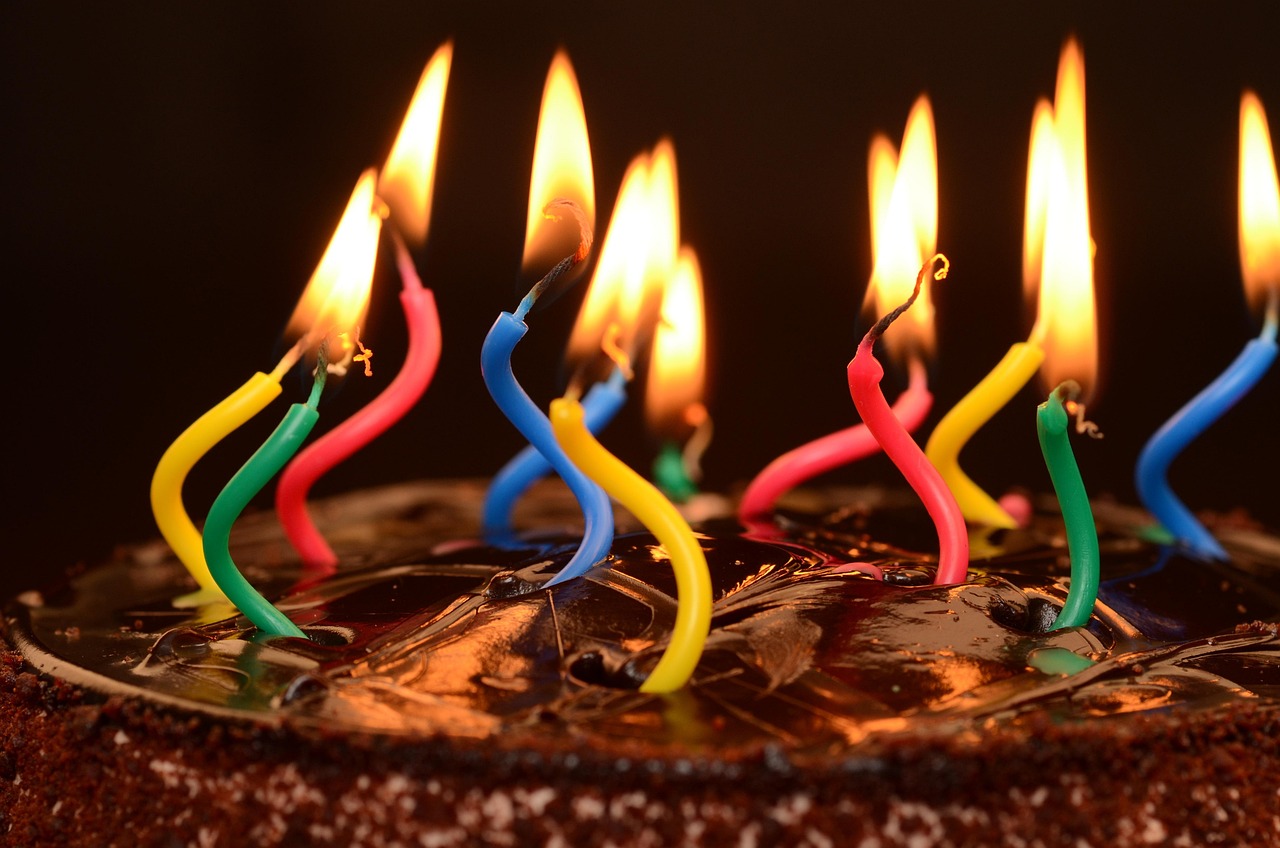
Today is my birthday. As far as we know, animals are not conscious of their birthdays. The very idea depends on something uniquely human: collective memory. At first, our parents tell us when the day is. Over time, we remember it ourselves, and those around us—family, friends, and even our insurance agent—help us keep track. We celebrate together because we share a memory, and that memory lives in the community.
Collective memory is the architecture of human society. It preserves the lessons of the past and holds us within a story far greater than our own. It is what reminds us that we are not alone; we are part of something enduring and way bigger than ourselves.
In Judaism, this truth runs deep. In this week’s parashah, Moses continues to prepare the children of Israel for their new life in the Promised Land. His refrain is simple: Do not forget what you have seen. Remember the God who brought you out of Egypt with signs and wonders; who fed you manna, gave you water, and kept your clothing from wearing out for forty years in the wilderness. Remember the pain of straying, and the blessings of remaining close.
How do we tap into collective memory? Through study, through retelling, and—perhaps most powerfully—by speaking it into the fabric of daily life, by referring to it when we can, and reflecting on what is happening in its context.
I received a lot of good wishes and blessings today. It was wonderful. However, as the day winds down and I catch up on what is happening in Israel and around the world, I take comfort in our collective memory that one way or another, we always survive, and if we come together and align ourselves with God, we always thrive.