Daniella Marques Talks Brazil’s Economic Future at Fisesp Event

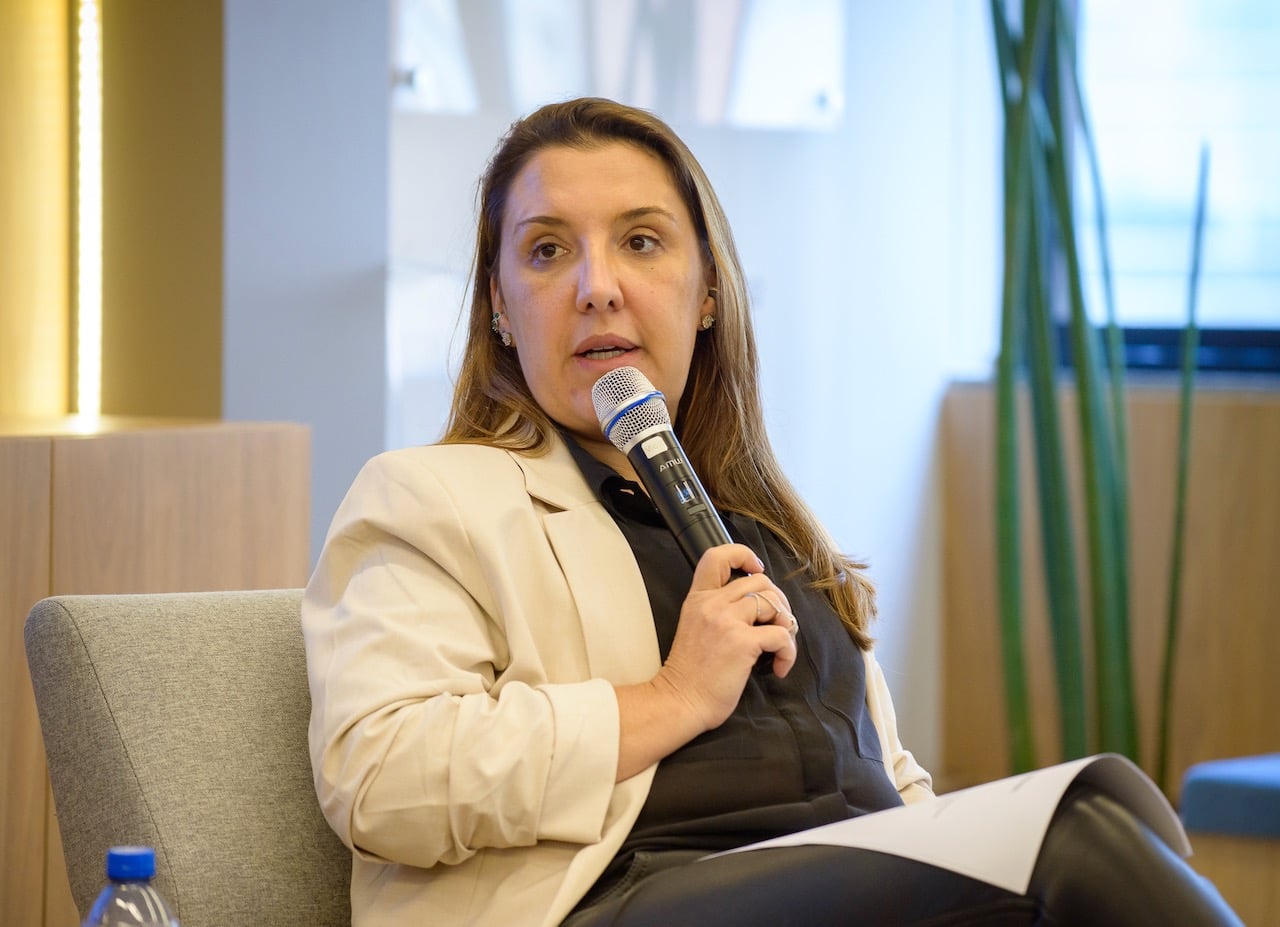
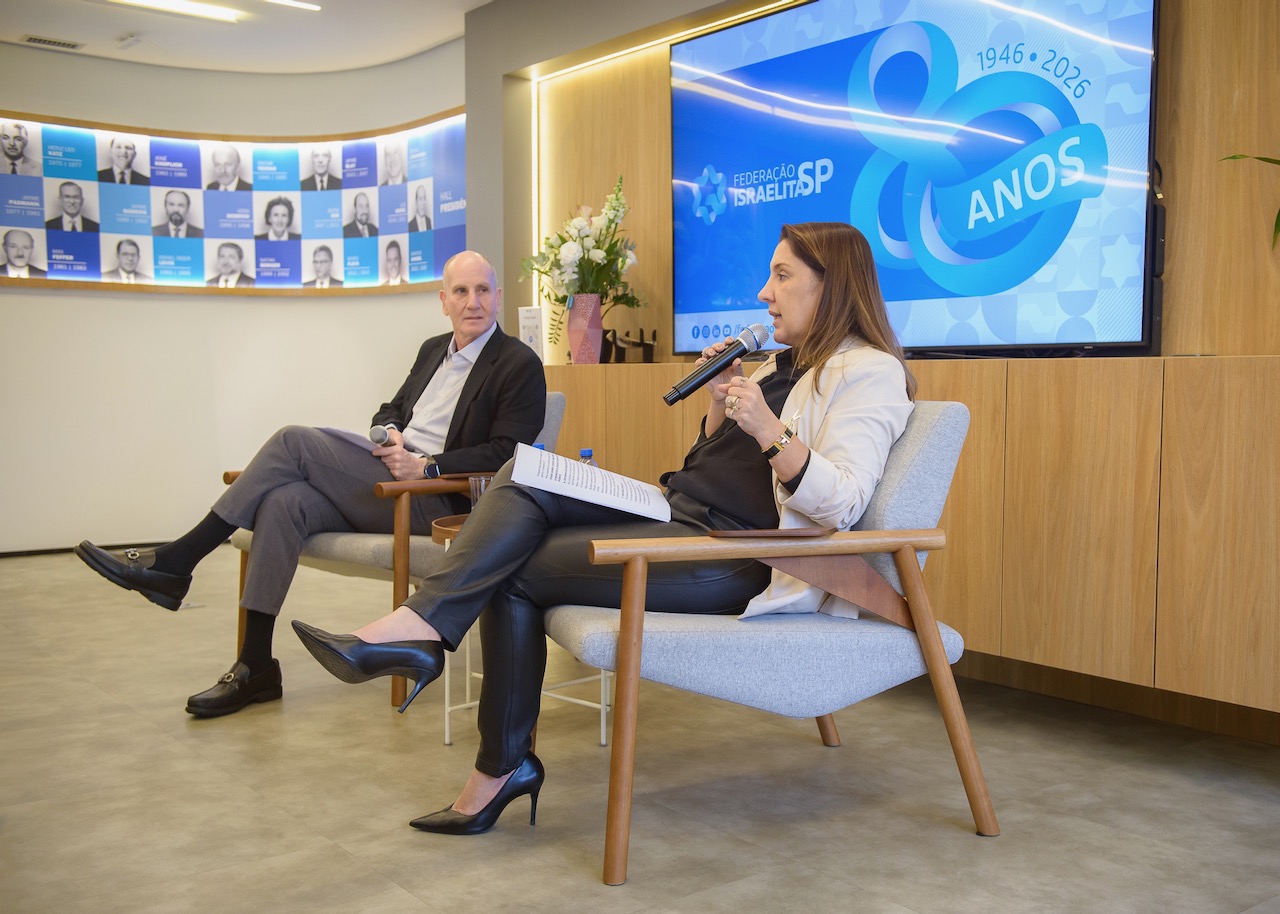
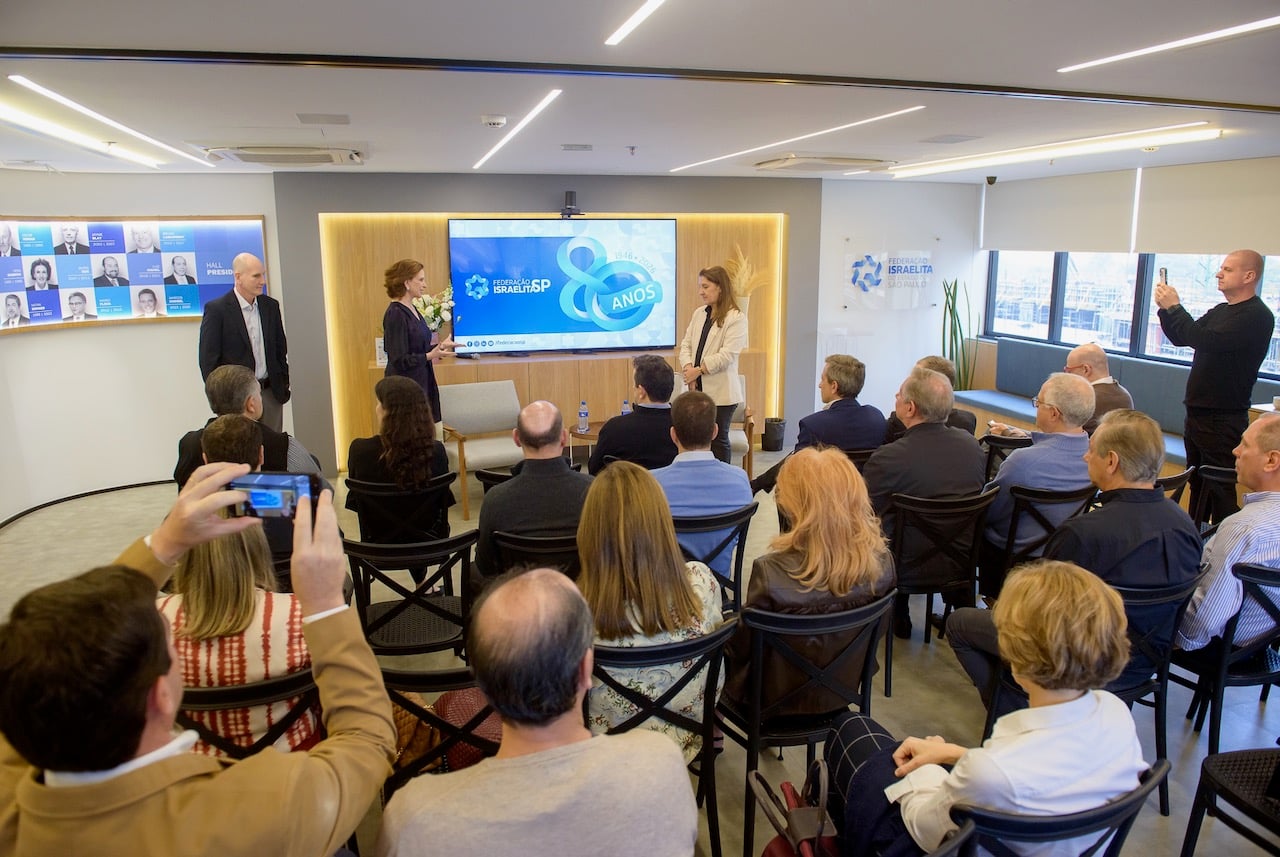
On Wednesday, August 26, the Jewish Federation of the State of São Paulo (Fisesp) hosted economist Daniella Marques, former Special Secretary for Productivity and Competitiveness at Brazil’s Ministry of the Economy, for a meeting with community leaders and members.
Opening the event, Fisesp president Célia Parnes emphasized the importance of fostering dialogue with diverse voices from Brazilian society.
It is essential to understand Brazil’s possible paths, to hear different perspectives, and to grasp how each leader envisions the country’s future. We are delighted to welcome Daniella and hope this will be a morning rich in ideas and reflection for everyone, said Parnes.
Moderated by Fisesp vice-president Alexandre Borenstein, the conversation covered topics such as public management, state modernization, legal certainty, and Brazil’s economic challenges in the coming years. Issues related to innovation, artificial intelligence, and women’s economic autonomy were also discussed, with participants engaging in questions and exchanges of ideas.
Marques shared her professional journey, from her work in the financial sector to her role at the Ministry of the Economy, where she contributed to restructuring efforts and initiatives aimed at improving the business environment. She highlighted key economic challenges, including the cost of capital, regulatory simplification, legal security, and competitiveness. According to her, reducing barriers for entrepreneurs and investors is essential to boosting productivity and enabling sustainable growth.
Artificial intelligence was another central theme. Marques pointed to the global race for investment in technological infrastructure and data centers, noting Brazil’s competitive advantages—such as energy availability, territory, and strategic minerals—that could position the country prominently in this transformation.
Women’s economic autonomy also stood out. Marques underscored the growing role of women as primary providers for Brazilian families and advocated for policies that combine financial guidance, professional training, and opportunities for work and entrepreneurship. She mentioned the potential of digital tools, including WhatsApp, to expand access to information on finance, debt management, skills development, and income generation.
The event is part of Fisesp’s ongoing commitment to fostering dialogue and connecting the community with diverse leaders and perspectives on issues relevant to Brazilian society.