
Author of literary fiction and academic nonfiction
Demonstrations
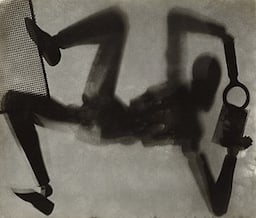
Mannequin, Lissitzky, 1928. Wikimedia Commons.
On the struggle for democracy and the fear it might fail. A short story
We demonstrated in the square.
Sweating, excited, screaming, we gathered together, and cried out loud. A tremendous scream was emerging from the street. A blend of whispers, cries of pain, shrieks of anger, and moans of despair echoed over the city. The words ‘freedom’ and ‘equality’ were accompanied by drums, reverberated from massive speakers, generating both joyful hope and anxiety. Piercing the heart with a blunt needle. We stood next to each other, felt each other’s breath, heard our repetitive shouts shot into a cloudless sky. We sang together and waved our flags, smiling.
We weren’t always part of the demonstrations.
At first, we only heard the noise coming from the square. Echoes of strange, shrill cries, feminine and then masculine voices, rhythmic music, and sometimes the sound of groaning metal. Elderly people, families with children, gathered in the square, and we only passed by on the street, looked curiously and went on. We heard the voices and drove away. Day after day, week after week, immersed in our phones, the loud cries became the background to a sequence of photos and videos. A finger hovering over a screen, replacing one image with another as the anger shared by many crept into a world existing in the space between people.
It wasn’t only anger.
Danger. A hint of lost freedom, something about a diversion that cannot be overdone. A choice leading to destruction. The tumult coming from the square signaled that disaster was imminent. The threat was unmistakable. Soon, life would change completely. Freedom would be taken from us, equality vanishing as if it never existed. A massive crisis was upon us. But we kept going to work, coming back home, going to a bar filled with music and the scent of alcohol, ignoring the commotion on the square. On warm summer nights, we were absorbed in our flickering screens, consumed by a realm made of shifting images and piercing voices.
It so happened that we were recently promoted.
The company expanded, the boss smiled and offered a better position, with a promise for another promotion soon. The salary rose, and the future looked promising. Various plans were conceived late at night: a vacation on an island of glistening sand and clear seas; skiing down snow-covered slopes that gleamed like glass at twilight; driving along winding roads, and more, always more. The days were filled with activity, energizing rather than exhausting. A strengthening effort. The nights unfolded between yearning for future pleasures and indulging in the delights of the present, leaving the sounds rising from the square behind closed windows.
But a minuscule whimper cracked the silence that enveloped us.
A faint motion, barely perceptible, broke the invisible barrier. In some obscure way, the slight stirring in the baby’s bed in the next room seemed linked to the distant cries from the square. Somehow, through the soft, almost inaudible creak of the bed frame, the unsettling spirit of the demonstrators seeped in. The baby shifted in his sleep, letting waves of hope and despair drift into the house.
A chubby foot stretched, a tiny hand shifted, and the babyish mouth opened in sleep. As we watched the helpless child, the shouting of the demonstrators emanated from an inner space, warning of a danger still not fully defined. What would become of him? we wondered, trying in vain to fend off the fear that thickened like a viscous liquid, spreading slowly through our veins and temples. In our minds, a full life unfolded before us: bright yet vulnerable to a threat that felt alarming, though impossible to describe in detail. Somehow, we sensed that our liberty would be lost, and that life would move forward along a path from which there was no escape. Since that inner shell cracked, the spirit of the square had hatched and enveloped us. It could no longer be pushed into a distant corner.
For long months, we stood in the square, linking arms.
Together we yelled “freedom” and “equality” with all our might.
Together we marched in the streets, waving flags proudly.
Together we confronted cavaliers riding horses with shiny black manes.
Together we lingered in the square late at night, embracing each other in brotherhood
But some of us suddenly disappeared.
As we marched together, some of our comrades failed to appear. We searched the angry crowd, fearing the unknown. Dark cellars came to mind, the sound of heavy iron doors slamming shut, sealed bags, and thick ropes. We could almost hear the cries of pain. At times, our fear for the fate of our comrades turned into pain in an unknown organ.
But it turned out that cunning words had pushed them away from the square. An obscure eye was observing us, luring some with a temptation wrapped in rustling cellophane, selecting its target meticulously, an enticing dessert given only to those leaving the square. A past offer for a distinguished public position suddenly resurfaced, but whoever wanted to grab it must promise never to set foot in the square. A much-desired prize given only to those promising they won’t join us. Clearly our pain should find better outlets. Various rewards were offered to those willing to leave the square. And there were threats. Embarrassing past events, long forgotten, suddenly surfaced again, annoying and oppressive. A former legal complication, an assessor that reevaluated an old debt and was now demanding money, years-old fines that suddenly appeared. They all generated desperate silence and bitten nails.
But we kept demonstrating in the square.
Our numbers dwindled. Fewer people came to the square. The cries of grief were slightly softer, the messages from the loudspeakers less strident. The anger was subdued; we whispered to one another. Though shouting still echoed across the square, we no longer blocked the cavalries with our defiant stance. No one asked about those who had disappeared. It was impossible to bring people back to the square; those who left us would never return. Comrades who had yielded to fear and hopelessness would never shout with us again. The invisible thread uniting us was gradually gnawed away, unraveled and split, becoming thinner and more fragile. We cried out loud, but our wailing no longer rose above the city. The loud voices that once filled the square now dissipated quickly, leaving nothing but a steaming mist.
I demonstrated in the square.
Every day on my way home, I pause to sit on a side bench, my back hunched and my head in my hands. People move through the square silently, walking in haste and never lingering. Crows with open beaks hop around, staring at me with dead eyes. I find the thought of the chubby baby waiting for me at home terrifying. When he wraps his soft arms around me and clings to me as tightly as he can, I smile at him, but I can’t stop the tears. I carry him to the window, and we look outside together. Gloomy people walk in the street alone. As my child rests his head on my shoulder and gazes at the street with childish wonder, I tell myself that it’s fortunate he is still unable to see the future.
Related Topics
Related Posts