Person-centred physician
Desperately seeking a Rabbi (epistemic disorientation in a cold climate)
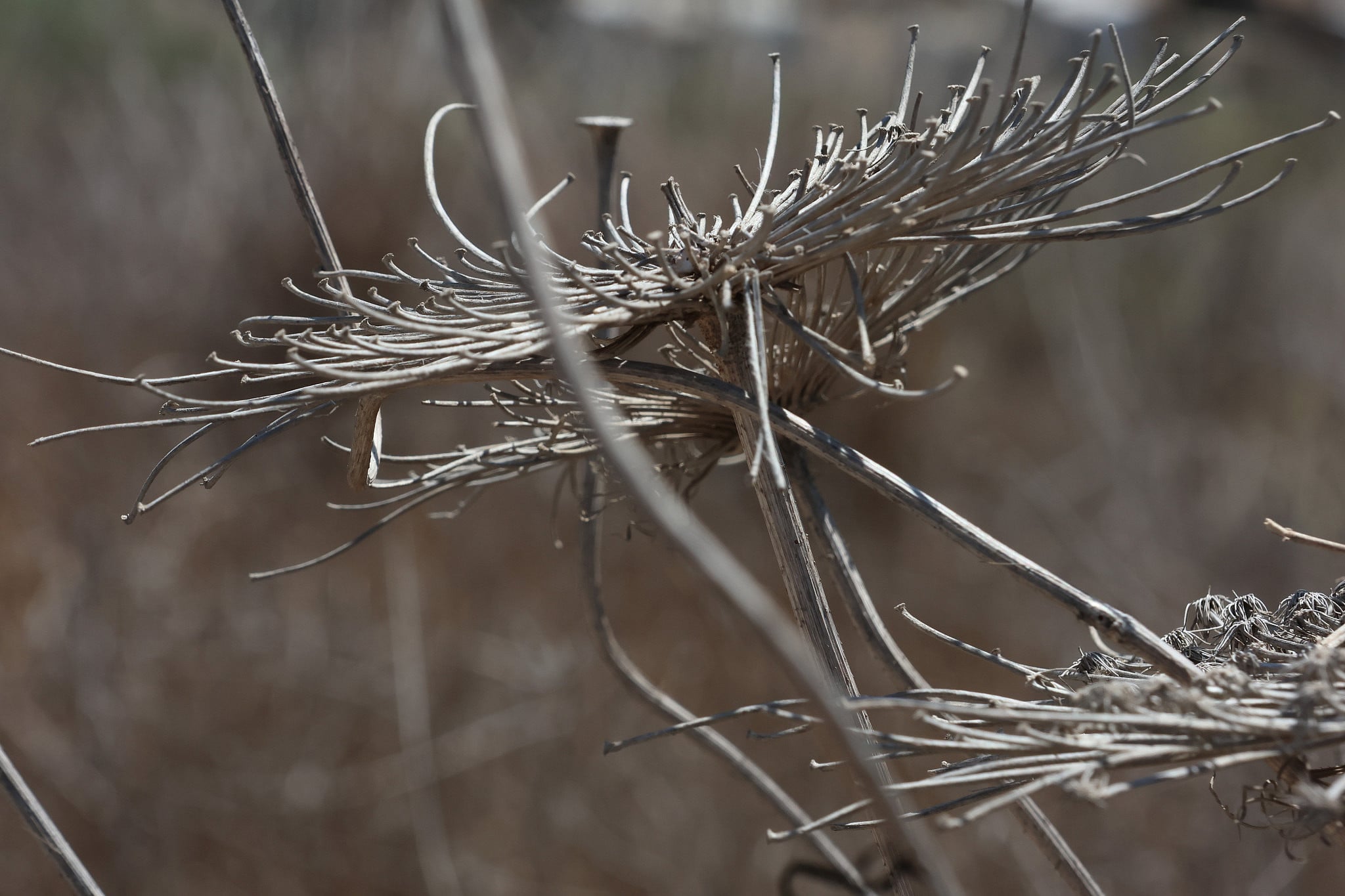
Milkweed at the end of summer, ~Tel Gezer, Israel, Sept 2025. Photo by Rod Kersh
When I was younger, a friend once told me, ‘Do what the rabbi says, not what the rabbi does.’
At the time, I didn’t fully grasp the meaning. Only recently have I begun to understand its implications.
This is how I now interpret the aphorism:
- Rabbis, like all humans, are fallible and may not always live up to their teachings.
- Rabbinical wisdom is rooted in centuries of moral and religious thought—often more enduring than any individual’s actions.
- Hypocrisy is a human trait, not unique to religious teachers.
- Moral contradictions exist, and two opposing realities can both be true.
- Authority should be questioned, not blindly followed. *
It’s been a long time since I spoke with a rabbi. Today, I find myself less inclined to follow any authority—religious or political. This isn’t cynicism; it’s a reflection of my evolving relationship with belief, truth, and trust.
Readers of this blog may recall my joy on October 13th, when the hostages were returned, and the war was declared over. For those grieving in Gaza and Israel, and the families of deceased hostages yet to return, it is far from over.
I’ve struggled with how media narratives shape our understanding. I used to rely on Channel 4 and the BBC. Now, I find their coverage lacking in objectivity—particularly in how they frame the conflict initiated by Hamas.
The horrors of war are undeniable. Innocent lives have been lost on all sides. I have however noticed a troubling editorial bias that overlooks key complexities: the use of civilian infrastructure for military purposes, the existence of 500 kilometres of tunnel networks (100km longer than the London Underground), and the strategic decisions made by Hamas that endanger innocent Gazans – in schools, clinics and hospitals.
Over the past two years, I’ve found myself questioning long-held political beliefs. I’ve always leaned left—as a 14-year-old, I recall my older brother calling me a communist—I have watched leftist discourse shift from criticism of Israel to outright antisemitism.
Israel is the only democracy in the Middle East, the only country to celebrate LGBTQ+ rights in the region and one in which Jews, Muslims and Christians coexist in peace – despite the rhetoric. This is reality is consistently forgotten or overlooked in preference to cris de cœur such as genocide, apartheid and river to the sea.
Israel and its government are not without blame or culpability. When you place one side under the spotlight and overlook the shortcomings of the other that is bias, prejudice.
This has inverted my sense of self. I now find myself resonating with voices I once dismissed, from Trump to those on the Right. Not because I’ve changed sides, but because I’m searching for truth in a landscape of distortion and deception, manipulated by AI, social media, prejudice and hidden influences that are or are not real.
A recent podcast featuring Haviv Rettig Gur and Coleman Hughes prompted me to revisit the story of George Floyd. I watched The Fall of Minneapolis, which presented evidence I hadn’t seen before—police bodycam footage, autopsy reports, and more.
It challenged my assumptions. I’m not claiming to know the truth, and the film was not without bias, but I now understand how narratives can be shaped, simplified, and weaponized.
This isn’t about denying tragedy. Floyd’s death was tragic. So too are the deaths in Gaza, the massacres in Israel, and the political manipulations that follow. I’m simply acknowledging that truth is often more complex than the headlines or tweets imply.
I’ve begun to question my beliefs, friends, colleagues, allies and the media in ways I had never considered.
Questioning is not dangerous, but it does leave us vulnerable to misinformation and manipulation. Doubt creates a vulnerability that is open to manipulation. In a fragmenting world, how do we sustain our confidence, our beliefs?
Despite my disorientation and recent experiences, I remain aligned with fairness, equity, honesty, and the fundamental goodness of people.
Men and women are equals, age does not define wisdom, and humanity is our best hope.
You may see my light as darkness, or my questions as doubt. That’s okay. All I ask is that we keep challenging, searching, and stay connected.

*If you listen to this podcast, Haviv Rettig Gur interviewing Dr Dara Horn, you will realise how close this analysis comes to the roots of antisemitism.
Related Topics
Related Posts