
Diaspora Jews, Israel Needs You!
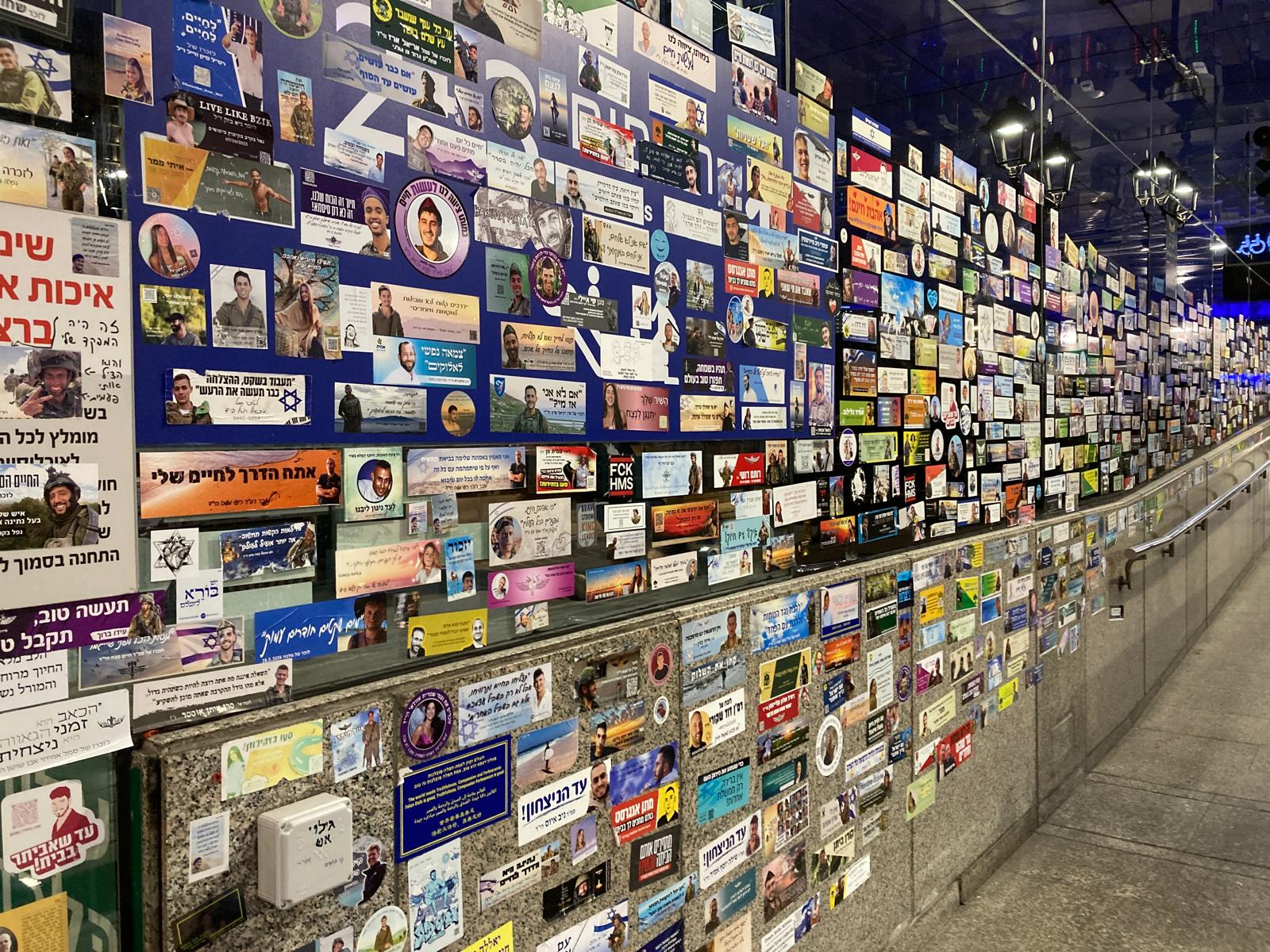
A week into the Israel-Iran war, a meme crossed my feed: “Hard to believe it’s already been a year since last week.” It struck a nerve. Life in Israel – never truly calm – has, over the past two years, become a relentless stream of crises. For Israelis, October 7th never ended. Its trauma still shapes daily life, shadowing the present with fear and the future with uncertainty. As much of the world moves on, a rift grows between its perception of October 7th and our lived reality.
Leading groups in Israel today sit somewhere between confusion and frustration. Making sense of Israeli reality has always been challenging, but since October 7, it has become markedly harder. The difficulty lies in explaining a surreal, emotionally charged reality in rational terms – while, at least temporarily, setting aside the deep trauma that still shapes our daily lives. And this task grows harder still as the gap widens between the reality we inhabit and the very different realities our visitors know from their own lives.
A few weeks ago, I participated in an academic seminar in Israel with a group of predominantly American Jewish educators. On the first night of the seminar, the Israel-Iran war broke out. We went through it together, supporting one another as best we could, while our dedicated staff worked hard to maintain a sense of normalcy. Still, the differences in experience between Israelis and Americans were unmistakable. I was worried for my family; their families were worried about them. On the fifth day of the seminar, they (justifiably) returned home via Jordan, while I stayed in Israel. For my American colleagues, it was likely a powerful and eye-opening experience – an unexpected and intense encounter with Israel’s reality. For me, it felt very much like part of my everyday life since October 7th – and perhaps even before that.
Nowhere is this gap more visible than in the Gaza Envelope. An abandoned kibbutz with its charred homes, the confusingly stoic Nova Festival site, the Sderot police station memorial, or the mound of burnt cars at Tkuma – for Israelis, these places are not only sites of tragedy but brutal reminders of our own vulnerability, reawakening the primal fear we carry for our loved ones. For visitors to Israel, these are historical sites. People come to learn, to mourn, to bear witness, to express solidarity. Most arrive with deep empathy and a genuine desire to connect. They are sincerely interested in what happened, identify with the suffering, and feel the pain. The situation in Israel may touch their lives – through the rise in antisemitism, a deepening connection to Israel, or a growing sense of distance as others around them drift away. But for Israelis, these are not historical sites nor historical events. It is a painful, ongoing reality – marked by confusion, vulnerability, and a constant sense of apprehension.
As someone whose life’s work is connecting visitors to Israel and Israelis, I am deeply troubled by these parallel realities. Israelis today feel increasingly rejected by the world – misunderstood and disappointed by how others perceive our challenges and dilemmas. The world often judges Israel harshly, without recognizing the depth of the trauma caused by October 7. At the same time, many Diaspora Jews feel isolated in their pain, questioning Israel’s relevance in their lives and, in many cases, criticizing its response to October 7.
And yet, I believe Diaspora Jews hold the key to narrowing this gap. They are uniquely positioned to inhabit both worlds – helping Israelis and the wider world reflect on, and better understand, one another’s experiences. Bridging this divide is not a luxury; it is essential. It allows Israelis to feel less alone while ensuring Israel remains deeply relevant and meaningful for Jews worldwide – as a unifying force and a vital source of Jewish identity.
We can begin by reframing visits to Israel: not as gestures of memory and solidarity, but as acts of participation, presence, and shared responsibility. It’s not about “Hasbara,” but about stepping into the Israeli state of mind – living on a dark roller coaster, never knowing when the next sharp turn will come. It’s a call to be here, to listen, to act, and to build together across borders and experiences.
For Diaspora Jews, this engagement strengthens identity, resilience, and belonging. For Israelis, it creates the space to listen, to recognize that the world holds perspectives different from our own, and to begin building together.
We need more than visits; we need ongoing partnerships, shared learning, and space for joint reflection. I still believe in the transformative power of these encounters. I have seen how honest engagement can change both sides: Israelis, despite their pain, grateful not to feel so alone; Diaspora Jews leaving with a deeper sense of connection – to Israel and to their own Jewish identity.
The task ahead is not easy. It requires humility from Israelis and courage from Diaspora Jews. But it is the only way forward. We cannot afford to live in parallel realities. Only through honest, mutual engagement can we begin to bridge the divide – ensuring that Israel remains relevant and meaningful beyond its borders, and that Jews everywhere can move together, from trauma and uncertainty, toward a shared future.