
Dinah went out — and I did, too
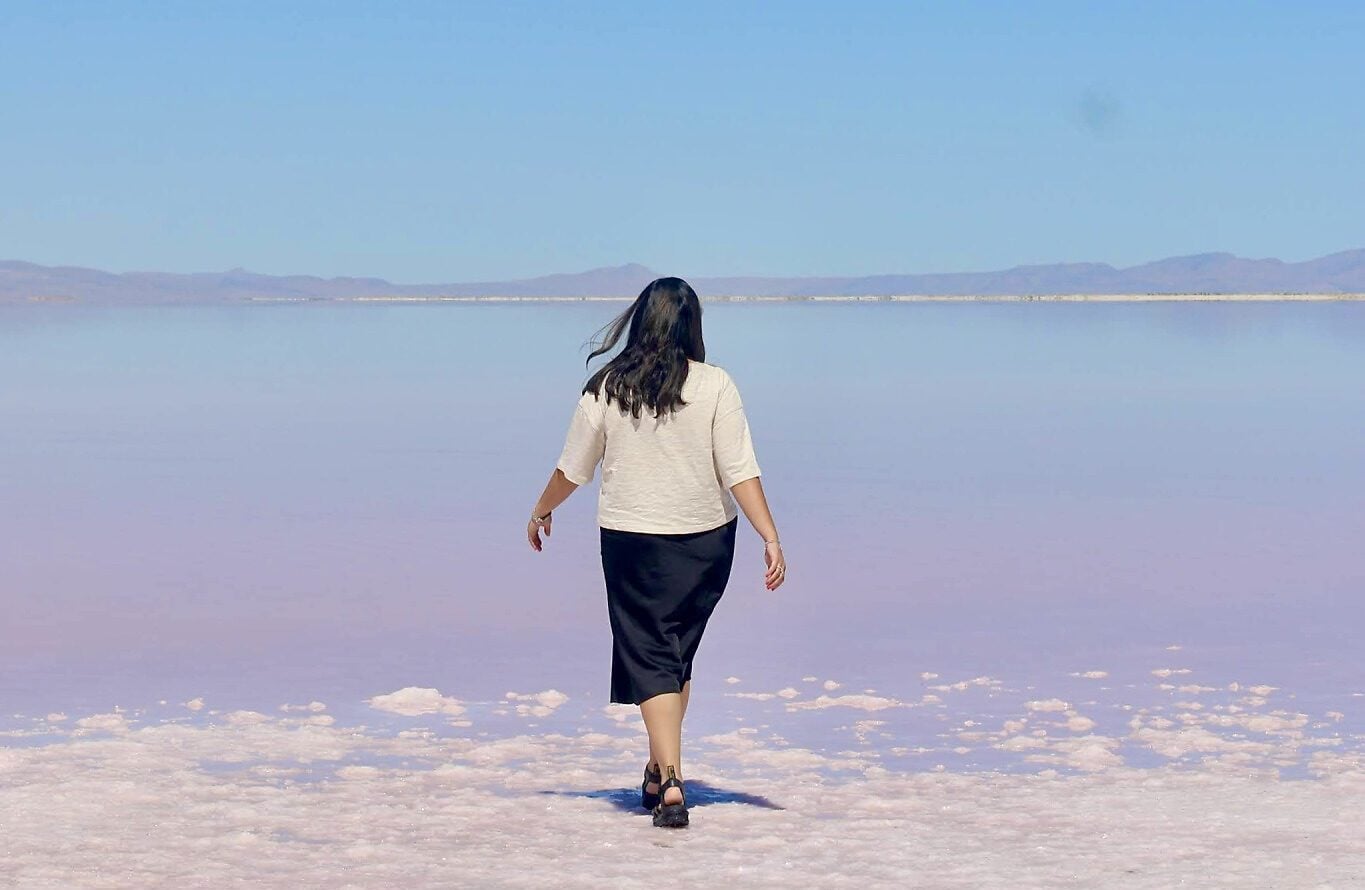
I will always remember learning about the rape of Dinah in school. With our parsha sheets in front of us, our blond-sheiteled, elegantly dressed teacher told us that the meaning of the story was obvious: “Dinah went out. She behaved un-tzniusly [immodestly], and her punishment was that she was raped. She was asking for it.”
The teacher continued on to tell us that if we were modest, if we remained in the places and among the people we should, we would not be punished the same way.
I remember it because even then I knew it couldn’t be true.
I remember it because even then I prayed it wasn’t true.
***
Certain scenes in the Torah probably wouldn’t recur today. Most of the Jewish world has moved past marriages with multiple wives; we don’t look favorably upon concepts like slavery or the eshet yefat to’ar.
But there are certain incidents that are distinctly modern.
The moment that Dinah, the daughter of Yaakov and Leah, went out — only to be sexually violated by a prince of the land and then re-victimized by her brothers’ vengeful schemes — could have been written today.
There are a number of ways to interpret the story of Dinah, some of which are less well-known. Some commentaries suggest she wasn’t in fact raped but that the loss of her virginity disgraced her. No matter the interpretation, after Dinah goes out, she is never again the one who makes things happen. From there, things happen to her.
Even the retelling of Dinah’s story alludes to the reality of what many sexual and domestic violence survivors live through: Our stories aren’t our own. Everyone around us acts without consulting us. We are an afterthought. We get blamed for our choices. Our family members are blamed for not raising us properly.
Dinah’s loss of agency is personal. Because I was assaulted as a young woman, and in the aftermath of it, I also felt voiceless, trapped, misunderstood, and blamed. The people around me acted and reacted. Rabbis and teachers and family members told me it was my fault. People I loved became awkward and disengaged — or they became so angry it scared me.
I’m not sure what I wanted in those moments, but I also don’t think anyone ever asked me.
***
There’s only one active verb in the entire text associated with Dinah: va-tetzei — and she went out. She left the camp to see the daughters of the land, women who weren’t like her.
Going out is a curious turn of phrase. It may simply be that Dinah was curious or lonely, searching for friendship. It may also be a more intentional movement away from how she was raised. We can’t know because the text doesn’t tell us.
And once again, I am struck by how very modern this story is.
When I went to college, 17 years old and leaving behind the community I grew up in, I was going out. My school was unsupportive of my choice to go to Stern a year early; they told my parents I was making a terrible mistake.
I was curious about the world around me; I still am. I’ve been through a lot of different versions of myself, trying to understand where I fit and how and with whom. That teenage girl was certain there was something else out there. If there is a concept of being chozer b’teshuvah — returning with answers — then I was yotzeh b’she-eilah — going out with questions.
I went out with questions, and then I was harmed and left voiceless.
But it wasn’t the end of my story. In some ways, it was only the beginning of a reckoning with the person I wanted to be. And I’m grateful every day to be living, still, in resolution. To be moving toward a fuller life, one with more answers, even when it means going out with questions again and again and again.
Maybe that’s the reason Dinah’s story is still a gut punch each time I read it.
I want to speak to you, Dinah. From the text, it seems that no one ever did.
Dinah:
On the day you went out, no one ever heard from you again. You were hurt and spoken over and silenced.
And yet:
I want to believe it wasn’t the end of the story for you.
I want to believe you went out again with your questions.
I pray that you returned with your answers, eventually.
And I am so, so sorry.