Distorting facts for a higher purpose? And Torah without derech eretz (Devarim)
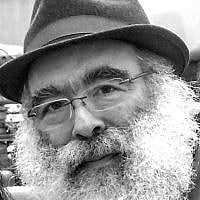
Rabbi Shimon Schwab (1908-1995) was the long-time spiritual leader of a transplanted Frankfurt Orthodox Jewish community centered in Manhattan’s Washington Heights neighborhood. He succeeded Rabbi Joseph Breuer, a direct descendant of Rabbi Samson Raphael Hirsch, who established that community on the basis of “Torah in Derech Eretz” (lit; Torah with the way of land i.e. respect/comportment/education/ethical behavior/sophistication.) Hirsch’s philosophy sought to meld Orthodox fundamentalist rigidity with Western acculturation.
For nearly a century, Hirsch’s philosophy prevailed, producing several generations of Jews who were Teutonically punctilious in their adherence to halachah while pursuing university degrees and careers that required a higher education. These “yekkes” were refined, understated, decidedly un-showy despite often significant personal wealth, and as likely to attend a concert of Beethoven’s Middle Quartets as attend a class on halacha at their large, austere synagogue in “the Heights”.
Rabbi Schwab, who is today considered to have been a gadol, a leading light in the emerging black hat-haredi yeshivish society, was the first leader of the yekke community to lack a university education. He compensated for this lacuna with the fact of his having studied at the decidedly un-yekkish Lithuanian yeshivas of Telshe and Mir in pre-war Europe. One can question whether this distinction played into his insecurities or whether it made him feel superior to the ethos that he was ostensibly appointed to spearhead. Perhaps both.
What we do know – and which no latter-day yekke progeny would ever admit – is that Rav Schwab single-handedly decimated his own kehillah by steering it forcefully into the yeshivish way. College became anathema, supplanted by Lakewood as the summum bonum of contemporary Orthodox life. Today one would be hard put to find recognizable American-born Orthodox yekkes, certainly not at a Beethoven recital.
Some 30 years ago I attended the annual dinner of Yeshiva Rabbi Samson Raphael Hirsch – already by then a sad shadow of its intended self. These dinners would feature two speakers. The first, the dinner’s honoree, would be a surviving member of the original German emigres. The second speaker would be a representative of the alumni then celebrating their 25th graduation anniversary.
It was a sad spectacle.
The elderly guest of honor was eloquent to a fault. His precise but accented English spoke volumes for his education, culture, sophistication and, yes, fealty to Hirsch’s ideas.
The alumnus – chosen for being the most presentable of his cohort – spoke a mumbling, inchoate, yeshivish English that betrayed no trace of Torah im Derech Eretz. Indeed, he was a sterling, if hardly shining, example of Schwab’s revisionist yekkism which argued that Torah with Derech Eretz was a “hora’at sha’ah” an emergency aberration in a time of rampant German Jewish assimilation. The new ethos was Torah without Derech Eretz which, while never articulated as such, is apparently the modus vivendi of our latter-day haredim.
I say all this by way of leading to the subject of history, something which Schwab vehemently opposed. He saw no positive value in the teaching of history, arguing (not without merit) that such scholarship is subjective at best, subject to constant revision, and in danger of adversely affecting the minds and beliefs of its students. At the same time, Rabbi Schwab openly advocated for the deliberate massaging of history if doing so would serve a positive pedagogical purpose, i.e. to promulgate a Torah without derech eretz posing as Torah im derech eretz. In his own words; “We do not need realism; we need inspiration from our forefathers.”
I often wonder where he got his ideas from, specifically the idea that history could not be trusted and that its telling should be adjusted as necessary. I would suggest that he learned it from this week’s parsha, Devarim, in which Moshe offers a highly distorted version of the episode of the meraglim, the spies, whose tour of Canaan resulted in an extension of the sojourn in the desert to forty years, until every adult who had experienced the Exodus was dead, save for Calev and Yehoshua.
Addressing an Israelite nation which has no collective first-hand memory of the. story – Moshe tells them:
וַתִּקְרְב֣וּן אֵלַי֮ כֻּלְּכֶם֒ וַתֹּאמְר֗וּ נִשְׁלְחָ֤ה אֲנָשִׁים֙ לְפָנֵ֔ינוּ וְיַחְפְּרוּ־לָ֖נוּ אֶת־הָאָ֑רֶץ וְיָשִׁ֤בוּ אֹתָ֙נוּ֙ דָּבָ֔ר אֶת־הַדֶּ֙רֶךְ֙ אֲשֶׁ֣ר נַעֲלֶה־בָּ֔הּ וְאֵת֙ הֶֽעָרִ֔ים אֲשֶׁ֥ר נָבֹ֖א אֲלֵיהֶֽן׃
Then all of you came to me and said, “Let us send agents ahead to reconnoiter the land for us and bring back word on the route we shall follow and the cities we shall come to.” (Devarim/Deuteronomy 1:22)
Never happened. It was not the Israelites who requested the reconnaissence mission, it was Moshe in collusion with God who instigated it.
וַיִּיטַ֥ב בְּעֵינַ֖י הַדָּבָ֑ר וָאֶקַּ֤ח מִכֶּם֙ שְׁנֵ֣ים עָשָׂ֣ר אֲנָשִׁ֔ים אִ֥ישׁ אֶחָ֖ד לַשָּֽׁבֶט׃
The plan appealed to me, and I selected twelve of you, one representative from each tribe. (1:23)
Moshe is talking to the assembled as if it were they who were responsible for something which, as best, was the fault of their fathers and grandfathers. Moshe is clearly counting on the fact that the assembly was clueless regarding what had in fact transpired, thereby enabling him to blame them and make them feel guilty for something they had been no part of.
וַיִּקְח֤וּ בְיָדָם֙ מִפְּרִ֣י הָאָ֔רֶץ וַיּוֹרִ֖דוּ אֵלֵ֑ינוּ וַיָּשִׁ֨בוּ אֹתָ֤נוּ דָבָר֙ וַיֹּ֣אמְר֔וּ טוֹבָ֣ה הָאָ֔רֶץ אֲשֶׁר־יְהֹוָ֥ה אֱלֹהֵ֖ינוּ נֹתֵ֥ן לָֽנוּ׃
They took some of the fruit of the land with them and brought it down to us. And they gave us this report: “It is a good land that Adonai our God is giving to us.” (1:25)
Not quite. The spies’ initial statement was indeed positive . However they then segued to an honest report as per the instructions they had been given by Moshe prior to them being dispatched. And even so, their words were straightforward and objective without drawing any negative strategic conclusions … until they were provoked by Calev’s interjection.
וְלֹ֥א אֲבִיתֶ֖ם לַעֲלֹ֑ת וַתַּמְר֕וּ אֶת־פִּ֥י יְהֹוָ֖ה אֱלֹהֵיכֶֽם׃
Yet you refused to go up, and flouted the command of Adonai your God. (1:26)
וַתֵּרָגְנ֤וּ בְאׇהֳלֵיכֶם֙ וַתֹּ֣אמְר֔וּ בְּשִׂנְאַ֤ת יְהֹוָה֙ אֹתָ֔נוּ הוֹצִיאָ֖נוּ מֵאֶ֣רֶץ מִצְרָ֑יִם לָתֵ֥ת אֹתָ֛נוּ בְּיַ֥ד הָאֱמֹרִ֖י לְהַשְׁמִידֵֽנוּ׃
You grumbled in your tents and said, “It is out of hatred for us that God brought us out of the land of Egypt, to hand us over to the Amorites to wipe us out. (1:27)
This is pure fiction. It just did not happen that way. What is true is that, upon hearing that the Land might be unconquerable, the Israelites became understandably embittered. But there is no mention of God’s hatred or any prospect of being decimated by the Amorites.
אָנָ֣ה ׀ אֲנַ֣חְנוּ עֹלִ֗ים אַחֵ֩ינוּ֩ הֵמַ֨סּוּ אֶת־לְבָבֵ֜נוּ לֵאמֹ֗ר עַ֣ם גָּד֤וֹל וָרָם֙ מִמֶּ֔נּוּ עָרִ֛ים גְּדֹלֹ֥ת וּבְצוּרֹ֖ת בַּשָּׁמָ֑יִם וְגַם־בְּנֵ֥י עֲנָקִ֖ים רָאִ֥ינוּ שָֽׁם׃
What kind of place are we going to? Our brothers have taken the heart out of us, saying, ‘We saw there a people stronger and taller than we, large cities with walls sky-high, and even the spawn of giants.’” (1:28)
ואֹמַ֖ר אֲלֵכֶ֑ם לֹא־תַעַרְצ֥וּן וְלֹא־תִֽירְא֖וּן מֵהֶֽם׃
I said to you, “Have no dread or fear of them. (1:29)
Moshe had made no such effort to placate the Israelites. On the contrary. What’s more, this totally uncalled-for espionage mission was at the behest of Moshe and God. And no good could have been expected from it considering that the spies themselves were older men, tribal chieftains who are the worst candidates for a reconnaissance mission. Such men are virtually guaranteed to return with a negative report.
גַּם־בִּי֙ הִתְאַנַּ֣ף יְהֹוָ֔ה בִּגְלַלְכֶ֖ם לֵאמֹ֑ר גַּם־אַתָּ֖ה לֹא־תָבֹ֥א שָֽׁם׃
Because of you God was also incensed with me, saying: You shall not enter it either. (1:36)
Also untrue. God and Moshe were in collusion regarding the espionage caper. (I have previously suggested that it might have been a ruse to entrap a woefully unprepared generation of the Exodus to incriminate itself in order to delay the conquest of Canaan until a more prepared generation had grown up.) Moshe is here blaming the People for his own fate of not being allowed to enter the Promised Land when, In actual fact, this decision was triggered by his behavior in striking the rock twice in order to yield water, when God had specifically instructed him to speak to the rock.
So the question is was Moshe deliberately lying, or was he simply relying on fuzzy memory to reconstruct what had transpired forty years earlier? If he was lying could it be that he had a valid pedagocial purpose for ‘adjusting’ the facts?
I would like to think that Rabbi Schwab’s aversion to teaching history might be rooted here in Parshat Devarim. Here is a perfect example of how facts get distorted – often to deleterious effect – even when the teller believes he is uttering the truth. As well, Rabbi Schwab may have used Moshe’s words as the archetype of “We do not need realism; we need inspiration from our forefathers.” Although I am hard-put to see any inspiration in Moshe’s deliberate distortions here.