
District Council Legalization Voiced at Knesset
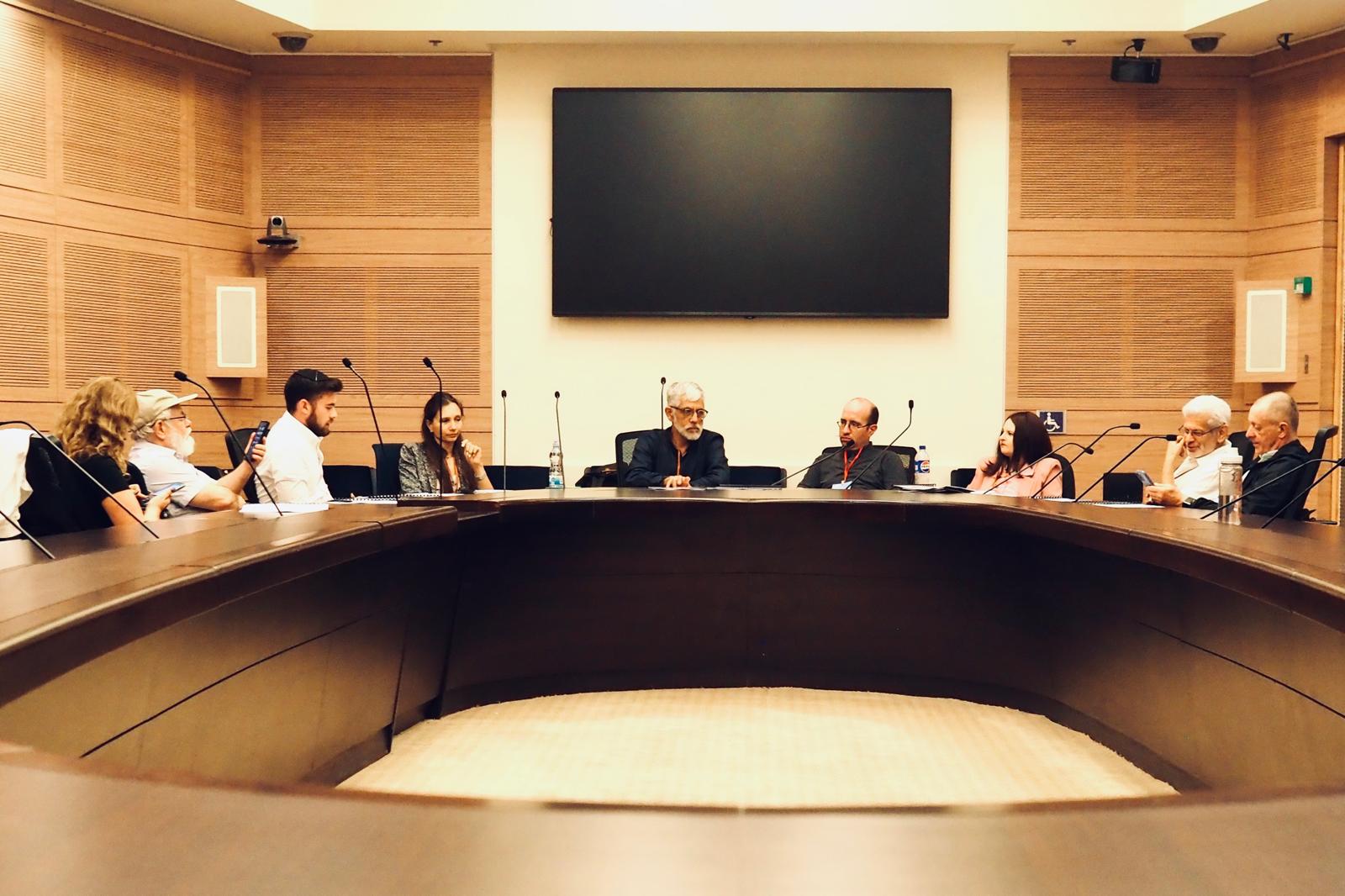
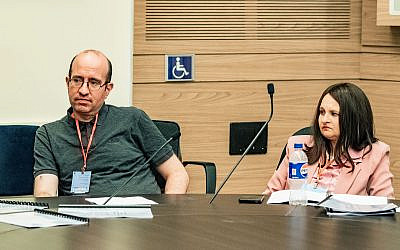
On July 21, 2025, a meeting of the Knesset lobby on the legalization of district councils in Israeli cities was held.
The event, organized by the Dor Moriah Think Tank as part of the activities of the Lobby for the Legalization of District Councils in Israeli Cities, was registered by Likud MK Amit Halevi. At this meeting, experts discussed important provisions of the future law that raised questions among Knesset representatives. The process of coordinating and submitting the bill to the Knesset was also described step by step.
Key offers
A revised version of the bill was presented at the meeting, which provides for the mandatory creation of district committees in cities with a population of over 50 thousand people. We remind you that the main provisions of the document include:
Conducting direct elections in district committees simultaneously with municipal elections
Empowering committees to represent residents’ interests and initiate local projects
Creation of mechanisms for transparency and public control
At the meeting, a revised version of the document for submission to the legal department of the Knesset was discussed.
Reform on the background of social crisis
The participants paid special attention to the results of the study «Arab-Israeli conflict through the eyes of Israelis», presented by the author’s team led by Doctor of Sociology Lola Kolpina. A survey of more than 1000 respondents conducted in July 2025 by “Dor Moria” and “Geocartography” revealed certain trends:
Thirty One percent of Israelis (31.7%) perceive the conflict as a religious confrontation between Judaism and Islam
30.8% support the full annexation of the Palestinian territories
This is the most popular position:
62% do not believe in the possibility of peaceful coexistence even after potential annexation
The gap in views between religious and secular citizens reaches critical levels
«Results of research show how much after the war it is necessary to create tools to restore trust in various social groups. Including through the solution of common problems in places of shared residence», — noted the director of «Dor Moriah» Igor Kaminnik.
One of such instruments is the legalization of district councils in the cities of Israel.
International experience and Israeli specifics
In the explanatory note presented at the meeting, there were examples of successful functioning of district committees in other countries. There are 59 public councils in New York, 99 in Los Angeles, and French legislation obliges to create such structures in all cities with a population of over 80 thousand inhabitants.
“Joint work on solving concrete local problems – renovation and renovation of cities according to the law of Urban renewal – allows the construction of 14 infrastructure facilities at the expense of the investor, including everything necessary both for families with children and secular families. This creates conditions for representatives of different communities to find a common language, leaving ideological differences behind brackets. We have the opportunity not only to promote these large-scale Urban renewal projects in the center and on the periphery of the country for 2.5 million inhabitants of dilapidated and dangerous housing, but also to create mechanisms to protect them from unscrupulous lawyers, developers and officials”, – emphasized Michael Moore and Grigory Pelman, experts of the Analytical Center “Dor Moriah”
Alexander Feinerman, an experienced project manager and art curator, agreed with him, who offered to spread the activities of councils to support educational and social-cultural initiatives of residents.
Outdated management system
The participants of the meeting stated that the current system of local self-government was created in the first years of the state’s existence, when the population of Israel was less than a million people. Today, with a population of more than 9 million, most of whom live in large cities, the management structure does not meet modern challenges.
The current electoral system, based on party lists, deprives residents of the opportunity to choose specific representatives of their district, which increases the alienation of citizens from the processes of local self-government.
What’s Next?
Following last weeks discussions, the bill’s sponsors will incorporate feedback before submitting it to relevant Knesset committees in the coming months. Several municipalities are expected to launch pilot programs to test the concept and refine implementation details.
If enacted, the reform could mark a watershed moment for Israeli democracy — creating new channels for civic engagement while helping heal the social wounds exposed by recent conflicts.
For more information vist: https://dor-moriah.org.il/