
Do Not Harken to the Voice of T’ruah
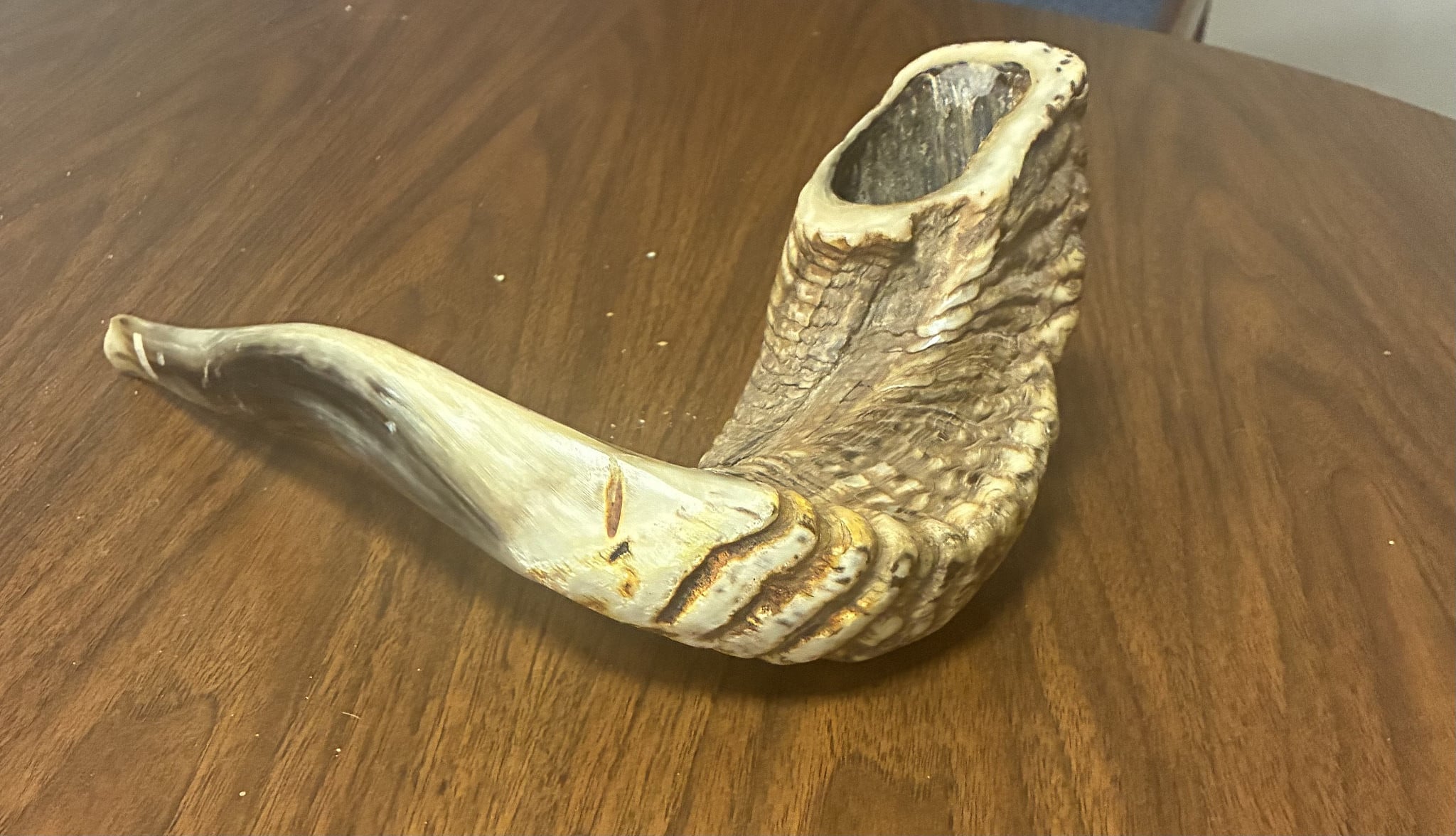
“For You hear the sound of the shofar and You harken to the voice of the truah” – from the Rosh Hashanah Liturgy
1) Shameful Self-Debasement
Last week, the Jewish organization T’ruah held their annual conference, where they were addressed by New York City mayor Zohran Mamdani. They embraced, fawned, and kvelled over this adversary of the Jewish People in nauseating fashion. They also honored a man named Gili Getz, who has accused Israel of the usual litany of genocide and apartheid, the chic anti-Jewish libel-vomit of our time, which has [mostly] replaced the old charges of Deicide and usury, etc.
Since October 7th I have occasionally enjoyed trolling anti-Israel Jewish groups in these pages, by showing how Jewish identity cannot be separated from our attachment to the Land of Israel. T’ruah actually identifies as a Zionist organization, (much like how my early childhood hero Julius Erving identifies as a Doctor), and so they do at least nominally recognize our attachment to the Land. However, I will go one step further here by showing how that attachment to the Land cannot be Jewishly separated from our national right to defend it militarily, a right to which groups like T’ruah are systematically hostile, which I will show below.
Is such trolling petty and immature of me? Perhaps. But I find it somewhat therapeutic after October 7th, and if any other pro-Israel Jews out there find it comforting as well, then all the better. Let’s begin by briefly analyzing the very word T’ruah in our scripture and liturgy!
2) Sound the T’ruah for Religious War in Israel!
In a Divine indication that God Himself may be joining me in my sneering at T’ruah, just this past Shabbat in the Torah reading we read from Bamidbar 10:9 – (translation from Chabad; emphasis my own)
וְכִֽי־תָבֹ֨אוּ מִלְחָמָ֜ה בְּאַרְצְכֶ֗ם עַל־הַצַּר֙ הַצֹּרֵ֣ר אֶתְכֶ֔ם וַֽהֲרֵֽעֹתֶ֖ם בַּֽחֲצֹֽצְרֹ֑ת וְנִזְכַּרְתֶּ֗ם לִפְנֵי֙ יְהֹוָ֣ה אֱלֹֽהֵיכֶ֔ם וְנֽוֹשַׁעְתֶּ֖ם מֵאֹֽיְבֵיכֶֽם
“And when you go out to war in your Land against an adversary who attacks you, you must blow a T’ruah with the trumpets and be remembered favorably before the Lord your God, and thus be saved from your enemies”
We learn from this verse that the paradigmatic Divinely sanctioned Just War (milchemet mitzvah) is a Jewish defensive war in the Land of Israel! We can disagree about the morality of specific tactics in such a war. But the members of T’ruah, as far as I can tell, don’t seem to agree with any reasonable reading of Biblical milchemet mitzvah theory, or of western Just War Theory for that matter, each of which recognizes that civilian casualties are tragically inevitable in all wars. See this letter they put out barely four months into the Gaza War, calling to end it, and for the IDF not to enter Rafah, which would have essentially meant losing the war.
T’ruah seems to think that war can only be waged if very few civilians will be killed, which is sadly not possible in the world that we live in. And so, for all intents and purposes, they oppose any reasonable campaign that any Israeli government from the Right or Left would have been forced to wage in order to address the threat from Hamas after October 7th.
In the high holiday season, we read twice a day from Psalm 27:6, where King David declares:
וְעַתָּ֨ה יָר֪וּם רֹאשִׁ֡י עַל־אֹֽיְבַ֬י סְֽבִֽיבוֹתַ֗י וְאֶזְבְּחָ֣ה בְ֖אָֽהֳלוֹ זִבְחֵ֣י תְרוּעָ֑ה אָשִׁ֥ירָה וַֽ֜אֲזַמְּרָ֗ה לַֽיהֹוָֽה
“And now, my head will be raised over my enemies around me, and I will slaughter in His tent sacrifices of T’ruah (joyous song); I will sing and chant praise to the Lord”
Does anyone at T’ruah pray, as King David did in his day, for modern-day Israel’s head to be raised above its enemies in unapologetic military triumph?
In a few weeks from now we’ll read the following from Parshat Balak. Bamidbar 23:
כא לֹֽא־הִבִּ֥יט אָ֨וֶן֙ בְּיַֽעֲקֹ֔ב וְלֹֽא־רָאָ֥ה עָמָ֖ל בְּיִשְׂרָאֵ֑ל יְהֹוָ֤ה אֱלֹהָיו֙ עִמּ֔וֹ וּתְרוּעַ֥ת מֶ֖לֶךְ בּֽוֹ
כד הֶן־עָם֙ כְּלָבִ֣יא יָק֔וּם וְכַֽאֲרִ֖י יִתְנַשָּׂ֑א לֹ֤א יִשְׁכַּב֙ עַד־יֹ֣אכַל טֶ֔רֶף וְדַם־חֲלָלִ֖ים יִשְׁתֶּֽה…
21 “He has beheld no harm in Jacob, and has seen no trouble in Israel. The Lord his God is with him, and the King’s T’ruah (trumpet blast) is in his midst…24 Behold a nation that rises like a lion cub, raising itself up like a lion. It does not lie down until it consumes prey, and drinks the blood of its slain enemies”
The authoritative Aramaic translation of Onkelos interprets verse 24 to mean that Israel shall take hold of its Land like a lion, growing ever stronger, until all of its enemies are destroyed, and Israel controls the Land in its entirety. Modern-day Israel named its conflict with Iran “Operation Rising Lion”, from this very verse! Do these sentiments of Israelite military triumph resonate with anyone at T’ruah?
Vayikra 23:24 tells us of Rosh Hashanah:
דַּבֵּ֛ר אֶל־בְּנֵ֥י יִשְׂרָאֵ֖ל לֵאמֹ֑ר בַּחֹ֨דֶשׁ הַשְּׁבִיעִ֜י בְּאֶחָ֣ד לַחֹ֗דֶשׁ יִֽהְיֶ֤ה לָכֶם֙ שַׁבָּת֔וֹן זִכְר֥וֹן תְּרוּעָ֖ה מִקְרָא־קֹֽדֶשׁ
“Speak to the Children of Israel, saying: You must celebrate the first day of the seventh month as a day of rest—a remembrance with the shofar blast (Zichron Truah); a holy occasion”
The verse refers to “the seventh month”, the time in which this festival falls; the seventh month from when, exactly? You need to look at the beginning of the chapter to see that the first month is determined by when the barley begins to ripen in Eretz Yisrael, which the verse refers to as the Land which God has given you (Vayikra 23:10). Would T’ruah have felt comfortable opining about all this before Mamdani, or might that have been awkward?
Rashi on 23:24 teaches that we fulfill the mitzvah of “Zichron Truah” by recalling the binding of Isaac and the sacrifice of a Ram in his stead, and how the Ram’s horn is the shofar. These events took place on the Temple Mount, a location that I suspect many T’ruah adherents don’t consider to be a legitimate part of modern Israel.
In the Rosh Hashanah Mussaf, the core middle section ends with the blessing thanking God for listening to the Truah of His people. The end of that section, right before the final blessing says as follows:
“Our God and God of fathers, sound the great shofar for our freedom, raise the banner to gather our exiles, draw our scattered ones near from among the nations, and bring our dispersed from the ends of the earth, Bring us to Zion your city in glad song and to Jerusalem the home of your Sanctuary in eternal joy.”
How many at T’ruah long to see the Jewish Temple replace the Dome of the Rock, as per this time-honored prayer?
3) Sisera’s Mother and Mamdani’s Wife
A popular Midrash teaches that we blow the shofar 100 times on Rosh Hashanah, corresponding to the 100 cries of the mother of our enemy Sisera, who was killed in battle by Yael (Shoftim 5). Sefer Ha’Todaah teaches that our one hundred shofar blasts are done in order to counter and nullify the forces of evil, as exemplified by Sisera and his mother; i.e., that our righteous cries should overpower her wicked ones. This is all because Sisera’s mother was not just an innocent relative of a wicked man: she was complicit in his wickedness. She took explicit pride in his raping, looting, and murdering.
This is eerily reminiscent of Mamdani’s wife, who celebrated October 7th, or of his father, who celebrated Hamas terror even before October 7th, calling for a Third Intifada, and referring to Hamas approvingly as “the resistance”. It would be naïve to think that Mamdani doesn’t share the same views as his wife, parents, closest supporters, and social and ideological circles in academia and on the socialist far left – opinions which range between the view that murdering Jews (“Zionists”) is either to be openly celebrated, tacitly condoned, tepidly justified, or carefully prevaricated about. For the sake of his political career, Mamdani dials down his radicalism just a touch from that spectrum, and alarmingly and gingerly so, at that.
There is also a popular explanation on the Sisera connection to the effect that we are actually expressing sympathy, even with our own enemy’s mother, with the 100 blasts that correspond to her own cries. Even according to this popular interpretation, no rabbinic authority has ever suggested that this homiletic concept should have any practical effect on the legal manner in which we wage war. It simply means that even though we do kill our enemies, we should also express empathy for their relatives. Indeed, Golda Meir expressed this very sentiment when she famously spoke of how we wish that we did not have to kill the sons of our enemies, a sentiment that I agree with myself.
How do the members of T’ruah relate to all of these teachings? I’ll take T’ruah at their word that they’re a Zionist organization. But if your Zionism is so abstract that you’re still systematically hostile to the State of Israel which actually exists in the real world, regardless of whether it’s governed by the Right or the Left, then your Zionism sadly does not translate into being pro-Israel in practice; not in any meaningful sense of the word.
The song of Deborah about the death of Sisera concludes as follows:
כֵּ֠ן יֹאבְד֚וּ כָל־אוֹיְבֶ֙יךָ֙ יְהֹוָ֔ה וְאֹ֣הֲבָ֔יו כְּצֵ֥את הַשֶּׁ֖מֶשׁ בִּגְבֻרָת֑וֹ וַתִּשְׁקֹ֥ט הָאָ֖רֶץ אַרְבָּעִ֥ים שָׁנָֽה
“’So may all Your enemies perish, Oh Lord, and may they that love Him be as the sun going forth in its might.’ And the land was quiet for forty years”.
If modern-day Israel is to see forty years of quiet and beyond, it will only come from adhering to the resolute sentiment of Deborah to destroy all our enemies, and not from honoring or appeasing those who support them, such as Mamdani and Getz. Shame on T’ruah for honoring them.