Do wounded veterans deserve more than terror victims?
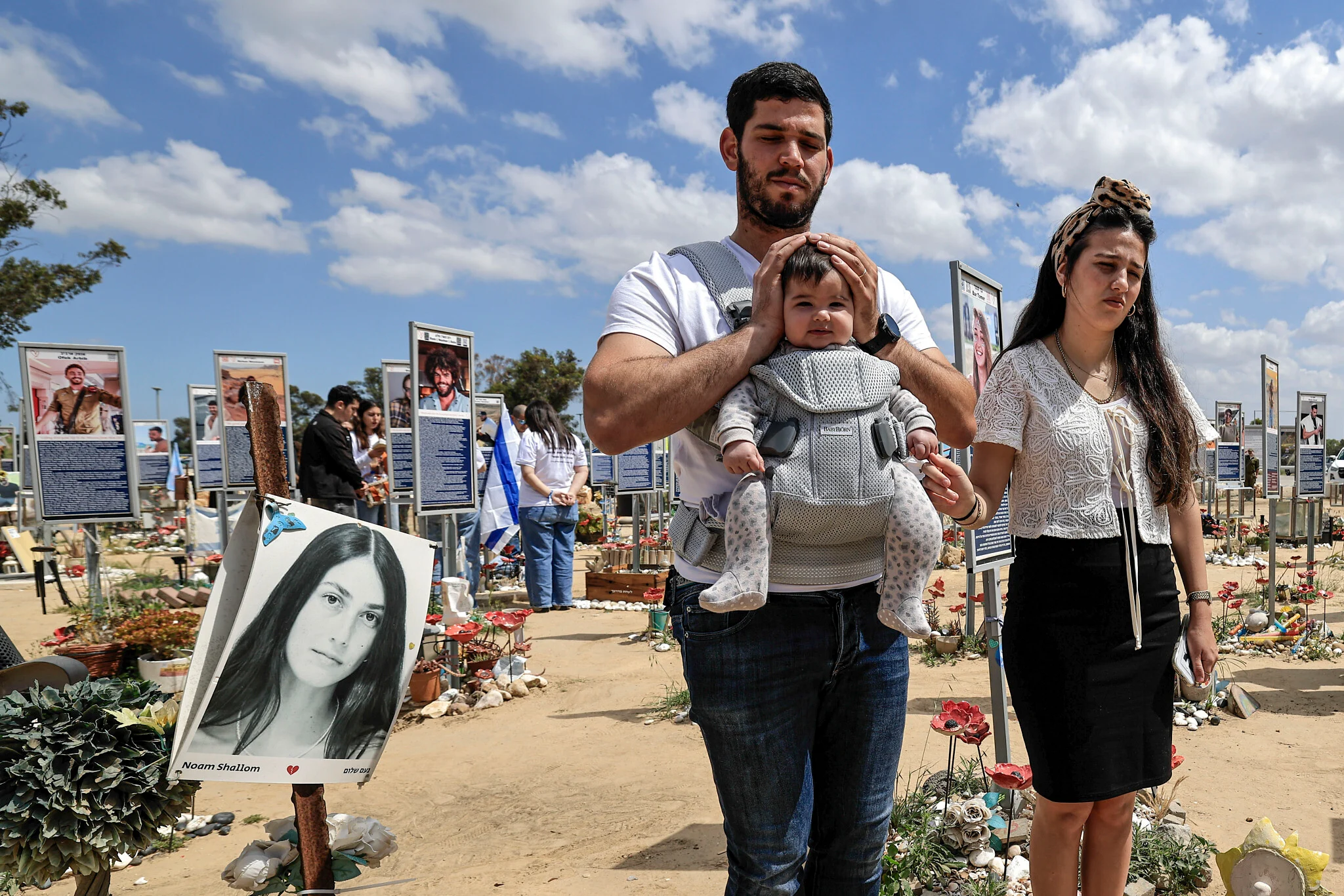
In the Israel of 2026, there are two parallel rehabilitation systems for people who paid a heavy price for their country. One person was injured during their military service, the other in an act of terror. Both may experience post trauma, loss of earning capacity, harm to their family, and years of daily struggle to return to routine. Both systems serve people who are contending with deep wounds, but only one of them has caught the full attention of the state, including an intensive review and a plan for comprehensive reform.
The Mor Yosef Committee, appointed by the Ministry of Defense following the dramatic rise in the number of wounded and difficulties at the ministry’s Rehabilitation Division, was asked to reexamine how the State of Israel supports those injured during their military service. Its conclusions, published in early June, mark a significant conceptual shift: rehabilitation is not a matter of paying a stipend or determining a disability percentage, but rather requires a broad view of the person, of their family, and of their ability to return to independent life, to work, and to community.
Accordingly, the committee recommended reducing bureaucratic complexity, strengthening personal support, expanding the services available to family members, improving access to rehabilitative services, and shifting the center of gravity away from the pursuit of every percentage point of disability and toward functioning, recovery, and rehabilitation.
Precisely because this is such a sound and advanced professional approach, it is hard to understand why it is being examined only for disabled IDF veterans and not also for victims of terrorism, who frequently contend with remarkably similar challenges.
Since October 7, tens of thousands of civilians have been added to the circle of victims of hostile acts. Some survived the massacre, others were injured by missiles or in attacks, and many of them contend with physical and psychological injuries that will accompany them for many years. Spouses left jobs to become caregivers, parents became the crisis managers for their adult children, and entire families were forced to rebuild their lives.
Despite all this, while the rehabilitation system for disabled veterans was granted a public committee, fresh thinking, and comprehensive recommendations, victims of hostile acts continue to operate within an outdated law enacted more than 50 years ago, in a period when the nature of terror, its scope, and our understanding of psychological injury were entirely different.
The result is not only cumbersome bureaucracy. It is a worldview that prevents them from rehabilitating. Instead of asking how to help a person return to work, to studies, to parenthood, or to community life, the system still relies to a large extent on mechanisms built around determining disability percentages and supporting those who can prove a lack of functioning.
The family, too, which is often the central factor holding the recovery process together, does not receive the recognition and resources it deserves. Spouses, parents, and siblings find themselves coordinating treatments, accompanying their loved ones to eligibility committees, reducing their employment, and bearing a heavy emotional and financial burden, all without an adequate support framework to help them continue supporting their loved ones or cope with the loss they have experienced.
The debate is not about whether disabled veterans deserve more or less. On the contrary. The Mor Yosef Committee demonstrates that the state knows how to identify failures, listen to those who were harmed, and rethink its rehabilitation model. The question is why that same willingness to stop, learn, and change is not directed also toward victims of hostile acts.
The time has come for comprehensive reform in the civilian system as well: one that places rehabilitation at its center, strengthens the responses available to family members, expands recognition of the kinds of injuries that characterize the security reality of our times, and builds pathways that help people return to life rather than getting stuck in the corridors of bureaucracy.
Israeli society is not measured only by how it responds on the day of the attack or on the battlefield. It is also measured years later, when those left with the scars need to be helped. If the state truly wishes to be there for them, it must ensure that the right to optimal rehabilitation is determined according to the needs of the person, not according to the circumstances in which they were injured.