Some Crimes Forfeit the Right to Mercy: Israel’s Death Penalty Reckoning
There are crimes that test the limits of mercy. And then there is terrorism.
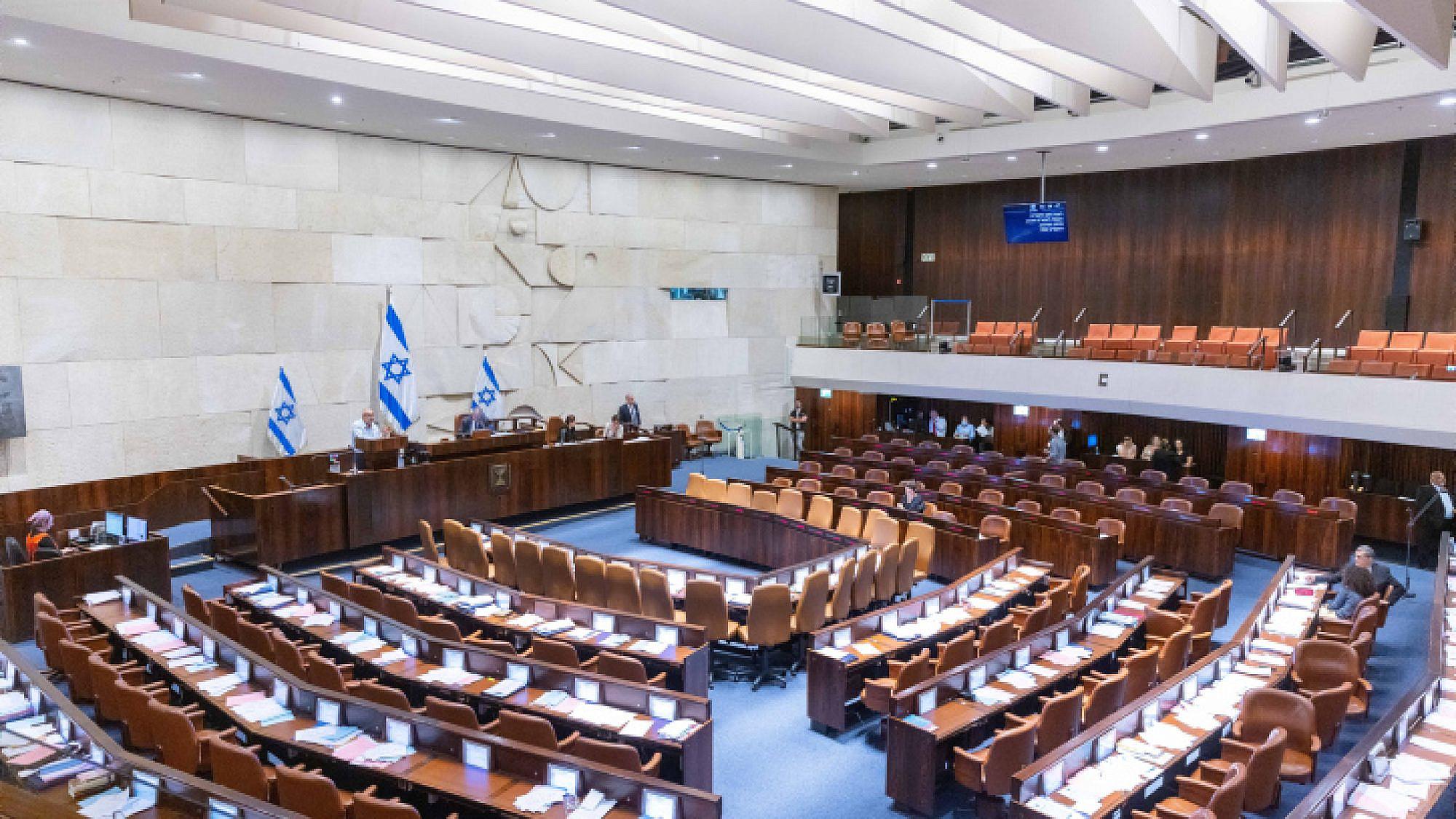
On March 30, the Knesset approved legislation expanding capital punishment for terrorists convicted of intentional killing. Critics call it barbaric. But before condemning Israel, they should confront a harder question: What punishment is proportionate for someone who deliberately murders innocent people as an ideological act designed to terrorize an entire society?
That question cannot be answered with slogans about vengeance. It requires a serious conversation about justice.
Terrorism Is Not Ordinary Murder
A terrorist who enters a home and murders a family is not simply another murderer. A gunman who attacks civilians at a synagogue or music festival is committing violence intended to reach beyond those immediately killed.
Terrorism weaponizes murder. The dead are used to frighten the living.
That is why democracies treat terrorism differently from ordinary crime. Intelligence agencies pursue terrorists across borders, militaries target commanders, governments freeze assets, and criminal laws impose special penalties. Terrorism is violence directed not only against individuals, but against the public itself.
Why, then, should punishment pretend otherwise?
October 7 Changed the Moral Landscape
For Israelis, this debate cannot be separated from October 7.
The atrocities committed that day demonstrated ideological mass murder in its most horrifying form. Israelis were murdered in their homes, young people were slaughtered at a music festival, and hostages were dragged into Gaza. The killing of civilians was itself the objective.
Yet the new law is not retroactive. Terrorists already in custody for the October 7 massacre will not automatically become subject to a punishment enacted afterward. That respects an important principle of criminal law, but raises an unavoidable question: If October 7 does not represent the category of crime for which society reserves its most severe punishment, what possibly could?
When Life Does Not Mean Life
Israel also faces a reality most Western democracies do not: a life sentence does not necessarily mean a terrorist will remain imprisoned for life.
Terrorist organizations understand that Israeli hostages can become currency. Capture an Israeli soldier or civilian, exert enough pressure, and convicted terrorists can become bargaining chips.
Yahya Sinwar is the example Israel can never forget. He was among more than 1,000 Palestinian prisoners released in the 2011 exchange for kidnapped IDF soldier Gilad Shalit. Sinwar later became a principal architect of October 7.
A terrorist imprisoned today may become leverage for tomorrow’s kidnapping. And the terrorist released tomorrow may become the architect of the next massacre.
For Israel, the debate is therefore not simply execution versus permanent imprisonment. Sometimes life does not mean life.
Justice Must Never Become Spectacle
There is nevertheless a line Israel must not cross: Justice must never become spectacle.
National Security Minister Itamar Ben-Gvir has publicly celebrated the prospect of executions and showcased an execution facility reportedly containing viewing areas for victims’ relatives. Supporters of capital punishment should reject that atmosphere.
The state may conclude that certain crimes are so catastrophic that execution represents proportionate punishment. But carrying out that sentence should never resemble entertainment or political theater.
A democracy should administer its harshest punishment soberly, legally and reluctantly. Justice can be uncompromising without becoming cruel theater.
Punishment Must Fit the Crime
Israel’s history with capital punishment is extraordinarily limited. The obvious precedent is Adolf Eichmann, the Nazi official who helped organize the Holocaust. He was captured, tried, convicted and executed in Israel in 1962.
Israel did not execute Eichmann because anyone believed his death would deter another Holocaust. He was executed because some crimes demand punishment proportionate to their enormity.
Deterrence and rehabilitation matter, but so does an ancient principle: The punishment should fit the crime. The greater the moral injury, the greater society’s legitimate demand for accountability.
The Question Israel Must Answer
None of this means capital punishment should be casual or celebrated. An irreversible sentence requires extraordinary safeguards, meaningful judicial review and the highest confidence in guilt. Israel must ensure that the death penalty never becomes an instrument of politics, discrimination or vengeance.
But those safeguards do not eliminate the central question: Does someone who deliberately massacres innocent civilians as part of an ideological campaign of terror retain an unconditional right to mercy from the society he sought to terrorize?
I am no longer convinced the answer must always be yes.
Not every murderer belongs on a gallows. Not every terrorism case warrants death. But some crimes go beyond ordinary murder: the intentional slaughter of innocent people as an instrument of political warfare.
The world is entitled to debate Israel’s decision. Its courts should scrutinize its application, and Israelis should argue fiercely over its limits.
But Israel need not apologize for insisting that those who intentionally massacre its citizens face consequences commensurate with their crimes.
Mercy is a virtue. Justice is one, too.
After October 7, Israel has every right to ask whether there are crimes for which mercy without final accountability ceases to be mercy and becomes an injustice to the dead.