
Political analysis, conflict dynamics & human rights
Double Standards in Supporting Extremism: The Case of Israeli PKK Supporters

Israeli politicians, researchers, and activists are increasingly showing support for the PKK—a group labeled as a terrorist organization by the US and EU. How can this be justified while condemning similar groups like Hamas? Hypocrisy undermines credibility. Picture source: X
The growing support among Israeli politicians, researchers and activists for the Kurdistan Workers’ Party (PKK) represents a profound moral and strategic failure that threatens regional stability and exposes a dangerous double standard in counterterrorism approaches.
The PKK is not a legitimate resistance movement but a terrorist organization with a systematic history of violence that fundamentally undermines any claims of moral legitimacy. Recognized as a terrorist group by the United States, European Union, and international security organizations, the PKK has conducted a ruthless insurgency across multiple countries, leaving a trail of human suffering that contradicts any narrative of legitimate struggle.
At the core of the PKK’s operations is a brutal strategy of human rights violations that goes far beyond traditional political resistance. The organization has systematically recruited child soldiers, with children as young as eight being abducted, coerced, or manipulated into joining their ranks. These children are not merely participants but are transformed into weapons of terror, used as fighters, suicide mission operatives, and intelligence gatherers. This practice represents a fundamental violation of international child protection conventions and exposes the PKK’s complete disregard for human life.
The humanitarian cost of the PKK’s actions is staggering. Over 30,000 to 40,000 civilians have been killed since the insurgency began in 1984, with entire communities systematically destroyed. Approximately 3 million people have been forcibly displaced, primarily in southeastern Turkey, creating generational trauma that extends far beyond immediate political objectives. Each act of violence perpetuates a cycle of revenge and destruction that obliterates any possibility of peaceful coexistence.
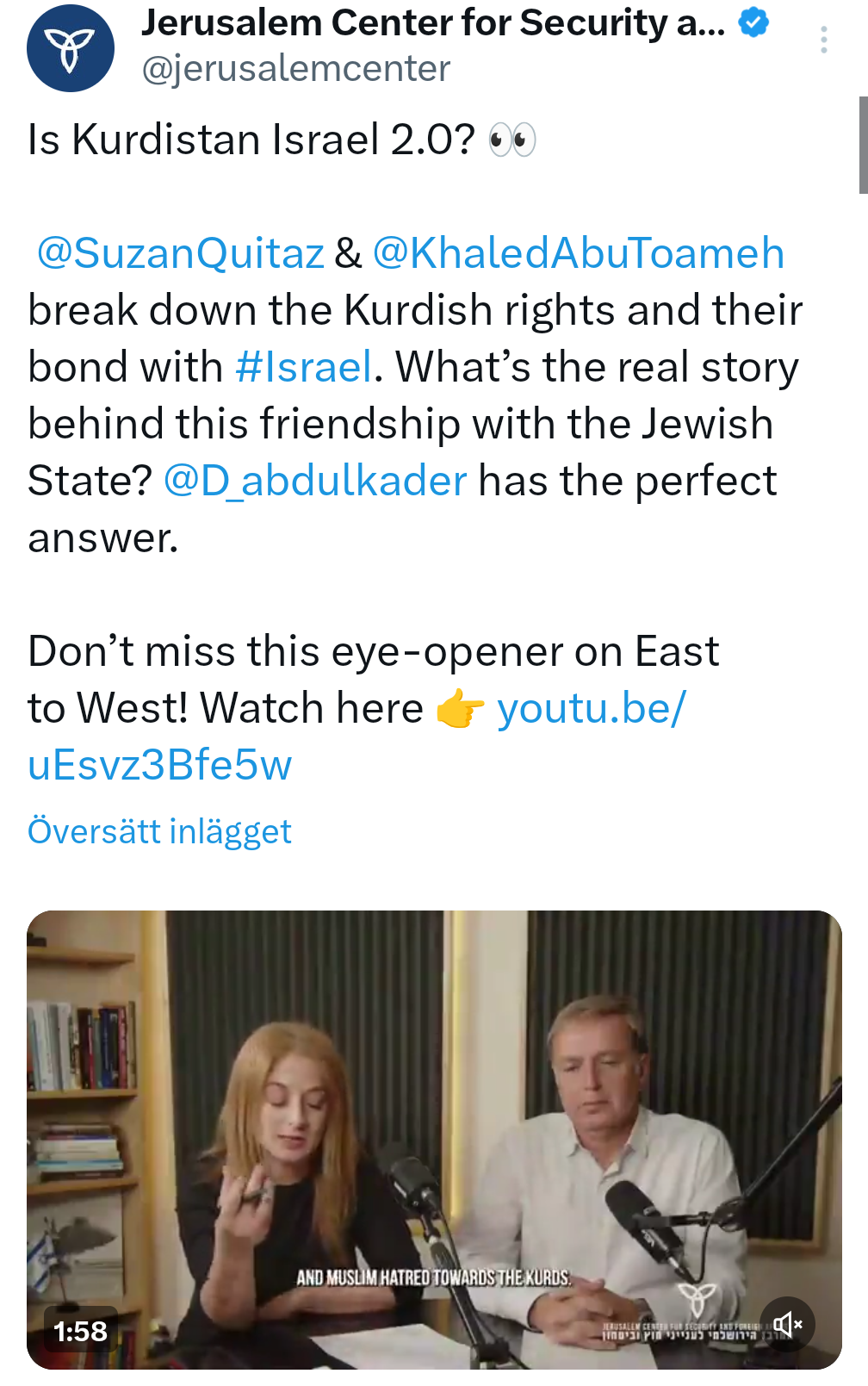
Some Israeli supporters argue that backing the PKK could serve as a strategic counterweight to regional adversaries, particularly in relation to Turkey’s support for Hamas. This reasoning is not only morally bankrupt but strategically catastrophic. Instrumentalizing terrorism under the guise of geopolitical strategy represents a fundamental betrayal of principles of justice and human rights. It reveals a cynical approach that views human lives as mere political chess pieces to be manipulated for short-term gains.
The parallels between the PKK and Hamas are stark and uncomfortable. Both organizations employ systematic violence against civilian populations, recruit child soldiers, and prioritize ideological objectives over human life. Supporting one while condemning the other exposes a dangerous hypocrisy that undermines any claim to moral high ground.
By endorsing the PKK, Israel risks significant diplomatic and moral consequences. Such support would irreparably damage its international credibility, provide propaganda opportunities to adversaries, and potentially trigger international diplomatic repercussions. More critically, it would betray the fundamental principles of counterterrorism and human rights that Israel claims to uphold.
Terrorism cannot be selectively condemned or strategically employed. True security emerges through diplomatic dialogue, respect for human rights, and an unwavering commitment to rejecting all forms of political violence. The path to regional stability requires courage, understanding, and a principled approach that prioritizes human life over ideological or strategic calculations.
The support for the PKK among some Israeli circles is not just a strategic mistake—it is a moral failure that threatens the very principles of justice and peace. It demonstrates how easily political expediency can corrupt moral judgment, turning those who claim to fight against terrorism into its most dangerous enablers.
Related Posts