Epic tribute to a remarkable Middle Eastern lady
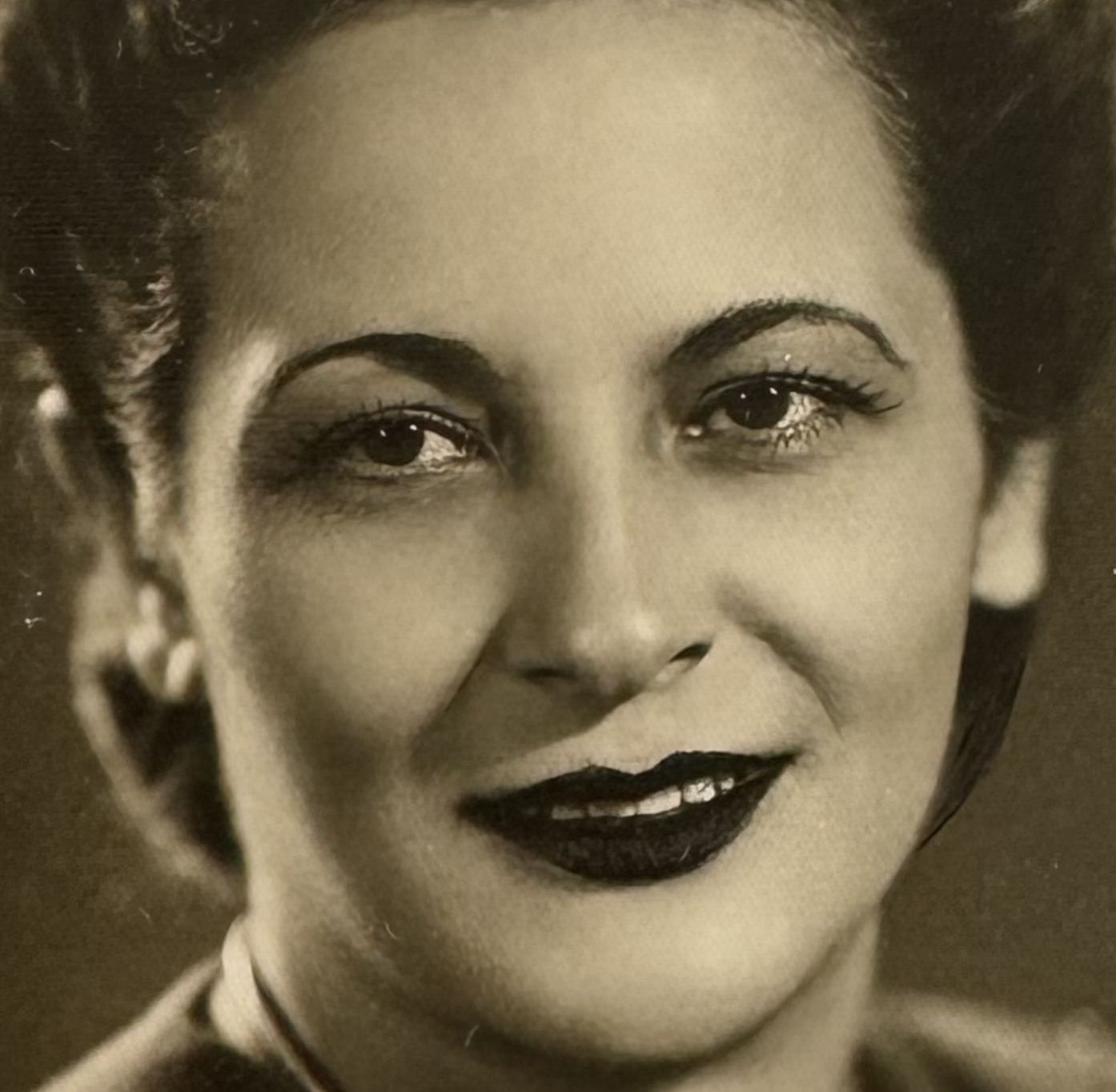
When Damascus-born Rachel Elia arrived in France in 1927 to train to become a teacher, she was breaking new ground: Levantine Jewish women in those days never left home and were usually married off in their teens. But a brave new world beckoned, represented by the Alliance Israélite Universelle, a network of schools that would bring education and French civilisation to the young Jewish girls of Middle East and North Africa. Rachel would be a conduit for modernity. Not for her the superstitions of yesteryear, the arranged marriages, nor the abaya cloak enveloping women on the street.
Defying opposition from her father, Rachel won a scholarship to the teacher-raining school at Versailles before taking up her first posting in Fez, Morocco. Transferred to the Alliance school in Baghdad, she meets the dashing Victor, a young, upper-class, Iraqi-Jewish businessman educated in Germany, in flight from the Nazis.
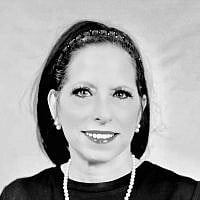
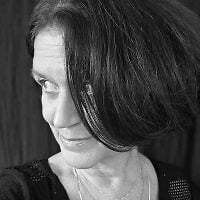
Rachel is the mother of Stella Darvey Joory, and Rachel: a life in a turbulent century (Troubadour, 2026) is her story, pieced together by her daughter over a decade or more. The narrative is constructed from anecdotes Stella heard at the family dinner table and from the archives of the Alliance in Paris, where, incredibly, Stella found letters from Rachel herself. But the book is not so much a biography as a drama in which Rachel and her family members play out their lives against a backdrop of real events.
These include the Farhud, the Nazi-inspired 1941 massacre of Iraqi Jews, and a rising tide of anti-Jewish persecution, peaking with the execution of Shafiq Ades, Iraq’s wealthiest and best-connected non -Zionist Jew in 1948, who happened to be a cousin of Rachel’s mother. Life is indeed turbulent, as Victor is arrested and eventually makes a hair-raising escape, via Iran, to the new state of Israel. Rachel and her children had to wait 15 months to join him via the official airlift to the Jewish state in 1950. At Baghdad airport, Stella, barely five, recalls being terrorised by a female customs officer who wanted to tear off the head off Stella’s doll to check if a piece of jewellery was being smuggled inside.
While the children are happy in Israel, Victor is defeated by the new state’s socialism, and to the family’s disappointment, decides that he would have a better chance of making a living by moving back to the Germany which spat him out in the 1930s.
Although it is 600 pages-long Rachel always sustains the reader’s interest, as the family moves from crisis to crisis and migrates from country to country. There are evocative descriptions, including memorable scenes of life in Iraq constructed from the author’s imagination, such as sleeping on the roof, picnics on the islands of the Tigris, a sandstorm, or Rachel’s journey through the desert by Nairn bus.
This is a painstakingly-researched, epic tale of displacement. Rachel is a true story, but it has all the elements of a work of fiction: romance, adventure, escape – taking the reader through the peaks and troughs of happiness and despair in Rachel’s life. Ultimately, it is a well-crafted tribute to a resilient and remarkable lady.