Everybody has a donkey they ignore
The voices we dismiss may be the ones trying to save us
A talking donkey sounds like the beginning of a joke. Instead, Parashat Balak offers one of the Torah’s most unsettling lessons about leadership, certainty, and the dangerous things we fail to see. Balak, king of Moab, is terrified by the approaching Israelites. Convinced they pose an existential threat, he hires Balaam, a famous prophet-for-hire, to curse them. Balaam consults God and receives a clear answer:
You shall not go with them. You shall not curse the people, for they are blessed (Numbers 22:12).
The story should end there. But Balaam asks again. And again. Because sometimes the hardest answer to hear is the one we already know. Eventually, Balaam sets out on the journey. Along the way, an angel blocks his path. Three times the donkey sees what Balaam cannot. Three times she tries to save him. Three times he responds by striking her. Only then does the impossible happen. The donkey speaks.
What have I done to you that you have beaten me these three times?” (Numbers 22:28)
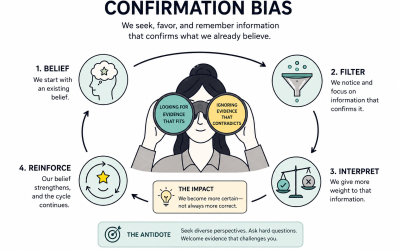
The irony is breathtaking. Balaam is a prophet. His professional identity is seeing what others cannot see. Yet the only creature capable of perceiving reality in this moment is the donkey. The Torah could hardly make its point more forcefully. The greatest threat to wisdom is not ignorance. It is certainty. Once we become convinced that we already understand reality, we stop noticing the evidence standing directly in front of us. The angel is there. The warning signs are there. The consequences are there. But we are too attached to our narrative to see them. Psychologists call this confirmation bias. We notice information that supports our existing beliefs and dismiss information that challenges them. The Talmud understood the phenomenon long before modern psychology gave it a name. Human beings rarely see the world as it is; we see it as we are.
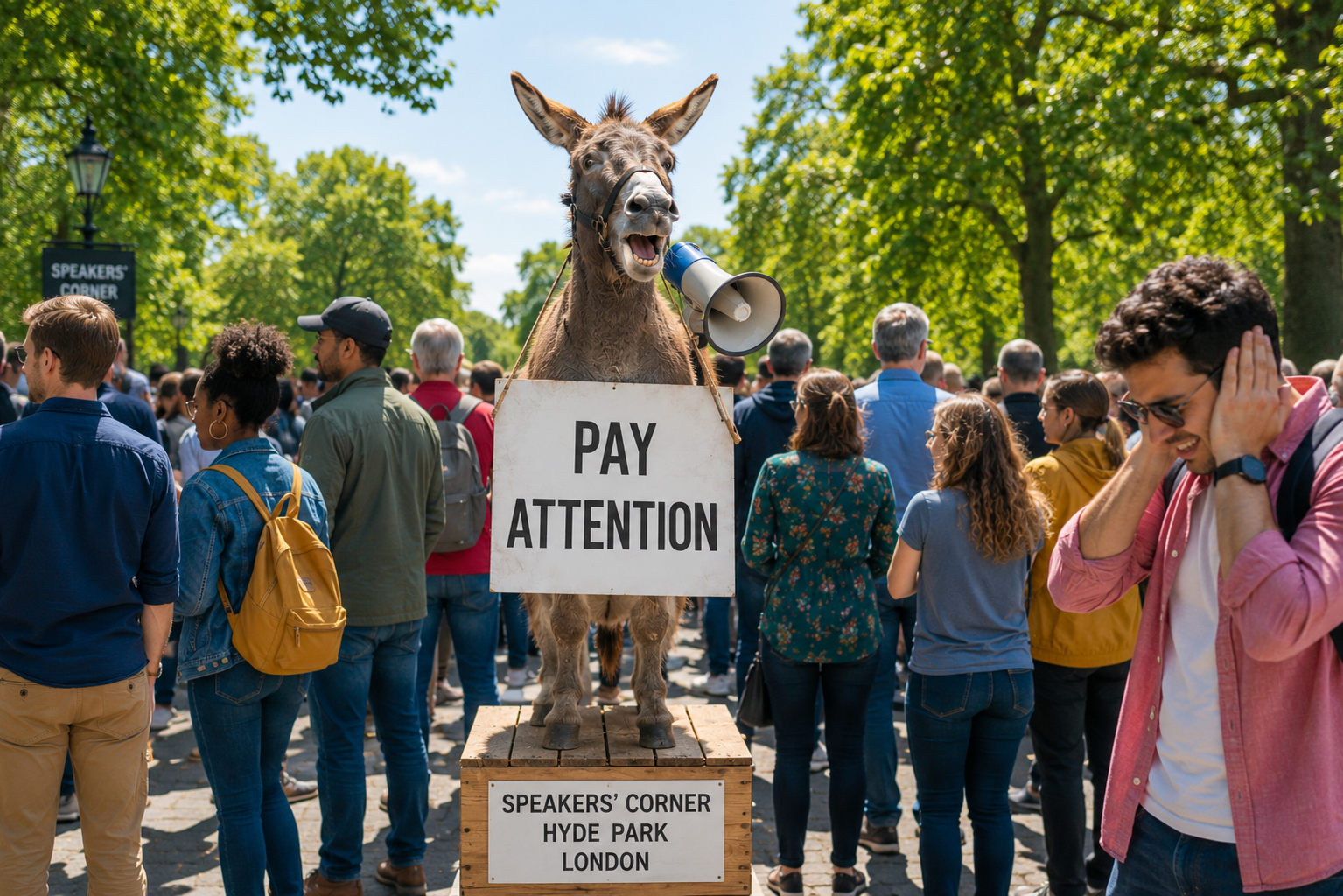
And perhaps nowhere is that danger more visible than in our current public discourse. In Israel. In America. Across the Jewish world. We live in an age of shouting kings and increasingly deaf prophets. Every camp is certain. Every side possesses its own experts, media channels, social networks, and moral vocabulary. We gather information that reinforces our convictions and dismiss voices that complicate them. We become so invested in being right that we lose the ability to listen. The tragedy is that reality keeps trying to get our attention. Sometimes through data. Sometimes through criticism. Sometimes through people whose experiences differ from our own. Sometimes through the very individuals we have learned to dismiss. The donkey represents every inconvenient voice that challenges our assumptions. The young activist. The political opponent. The marginalized community. The colleague who raises an uncomfortable concern. The family member whose perspective threatens our certainty.
History teaches that societies rarely collapse because warnings were absent. More often, they collapse because warnings were ignored. The Torah’s genius lies in showing us that God does not always speak from mountaintops. Sometimes the divine voice arrives through disruption. Through discomfort. Through an unexpected messenger. Through a donkey standing stubbornly in the middle of the road. Yet Balak’s story does not end in failure. Its most remarkable moment comes later. Balaam finally opens his mouth to curse Israel and discovers that he cannot. Instead, blessings emerge.
Mah tovu ohalecha Yaakov, mishkenotecha Yisrael.
How goodly are your tents, O Jacob, your dwelling places, O Israel” (Numbers 24:5).
The man hired to curse becomes the source of one of Judaism’s most beloved blessings. That transformation may be the deepest lesson of all. The goal of moral listening is not merely to avoid mistakes. It is to remain capable of change. To encounter new information and revise our thinking. To discover that today’s opponent may teach us something. To recognize that certainty is often the enemy of wisdom. And to understand that strength is not measured by how loudly we defend our position, but by how courageously we respond when reality asks us to reconsider it.
This week, as public debates grow harsher and ideological camps dig ever deeper trenches, Balaam’s donkey offers a surprisingly contemporary spiritual practice.
Slow down.
Pay attention.
Listen before you strike.
Because sometimes the wisest voice in the room is the one nobody expected to hear. And sometimes the future depends on whether we have the humility to learn from it.
Shabbat Shalom