Every day is Labor Day in Israel
I’ve never been shy about emphasizing my affinity for the worker in particular and organized labor in general. As the son of a veteran NYC Transit employee and as an Israeli civil servant for 38 years, I’m proud of whatever contribution I’ve been able to make to improve working conditions at the Ministry of Foreign Affairs.
There’s no specific Labor Day here per se, but there’s really no need; we live and breathe the issues. Indeed, strikes and collective bargaining are an integral part of our lives; all the more at this time of year, as the new school year begins and with it an array of demands from the authorities and teacher unions alike (strikes were averted this time around).
With all the challenges that Israel faces, it is not an easy task to meet the needs of every employment sector in real time. Which is why I was heartened to see that the Social Services Ministry is continuing implementation of the program to reform the salaries of Israel’s social workers, people who truly do sacred work — particularly since the Hamas invasion of October 2023. The reform will benefit 14,000 in the civil service and another 6,000 in civil society organizations and privatized services.
To me, equality in the work place is closely tied to equality in society. So it shouldn’t come as a surprise that in that context, I focus my gaze on what is happening with Israel’s minority communities.
The “Equality and Diversity in the Business Sector” conference held in July in Tel Aviv served as a helpful information source in this respect. There I learned, for instance, that the percentage of Arab women participating in the work force rose from 30 percent to 50% during the past decade.
Nothing arbitrary about this achievement. During the period in question, two government-financed five-year programs to economically empower the Arab community in Israel have been in full swing. Money well spent.
Having said that, the encouraging figure has a flip side, as presented at the gathering by the head of an Israeli civil society body which frequently partners with our Labor Ministry. In a nutshell, these women still aren’t sufficiently represented in jobs traditionally associated with men, and at the end of the day remain at the bottom of the wage scale.
Alongside the clear need for progress, the growing participation of Arab Israelis in the country’s healthcare professions is especially noteworthy. According to a study published earlier in the year by the Israel Journal of Health Policy Research, in 2023 Arabs constituted approximately one-quarter of Israel’s physicians (25%), nurses (27%), and dentists (27%) – as well as 49% of Israel’s pharmacists.
Based on the percentage of higher education students in those fields, most of these figures can be expected to remain steady and even grow in the future.
Numerous challenges still abound, of course. As the recently published annual Labor Ministry report for 2024 indicates, Arab men have been the slowest to return to the work force in the wake of almost two years of war. Other societal categories – most markedly women, with a special emphasis on Haredi-Jewish women – have rebounded much quicker in the employment field.
Despite the good news about women’s employment, a recent Central Bureau of Statistics (CBS) study points to another gender-related area deserving attention. According to the report, 18% of women responders said they faced work-place discrimination based on their age and 44% indicated that they faced it during their job search.
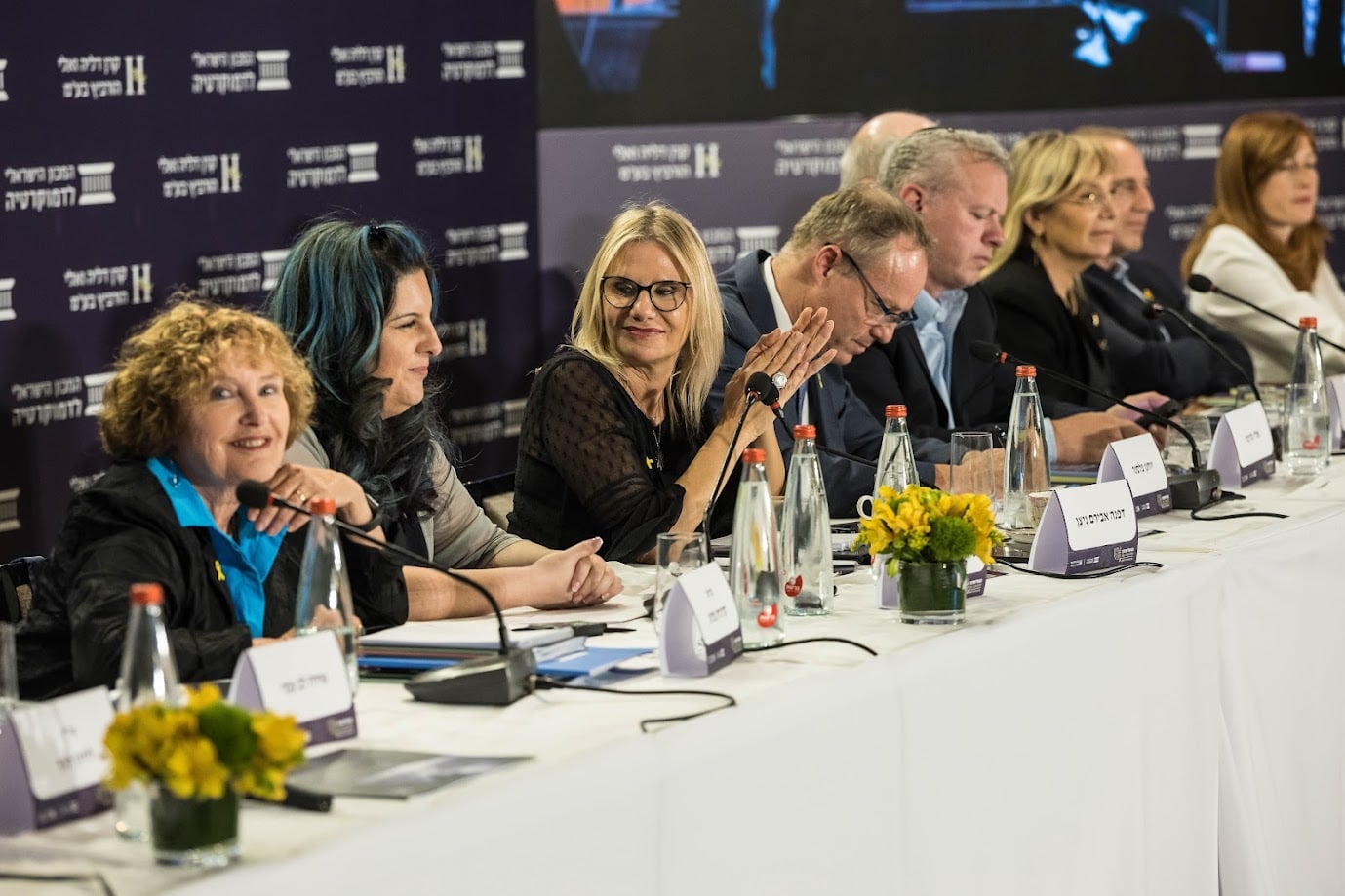
No piece about Israel’s labor force would be complete without mentioning the elephant in the room: the current image in Israel of our civil servants. This subject was robustly tackled in May at the Eli Hurvitz Conference on Economy and Society, held annually in Jerusalem by the Israel Democracy Institute.
Under the heading “The Public Service – Under Attack or on the Way to Reform?” the session covered a myriad of relevant issues, with the participation of a number of past directors general of government ministries. The criticism levelled was constructive and respectful, as panelists made clear their support for a strong civil service.
While I’ve written here quite a bit about what has been, I’ll end with what can be – which to me is what Labor Day should be about. According to a July CBS survey (in conjunction with the OECD) among Israeli 15-year-olds, 83% said they strive to advance to higher education; 18.7% of the young women want to be doctors; and 16.3% of the young men aspire to high-tech or academia.
May they all realize their dreams. Happy Labor Day!