Exclusive: Laura Feldman on CIP’s 90-Year Legacy and Future Vision
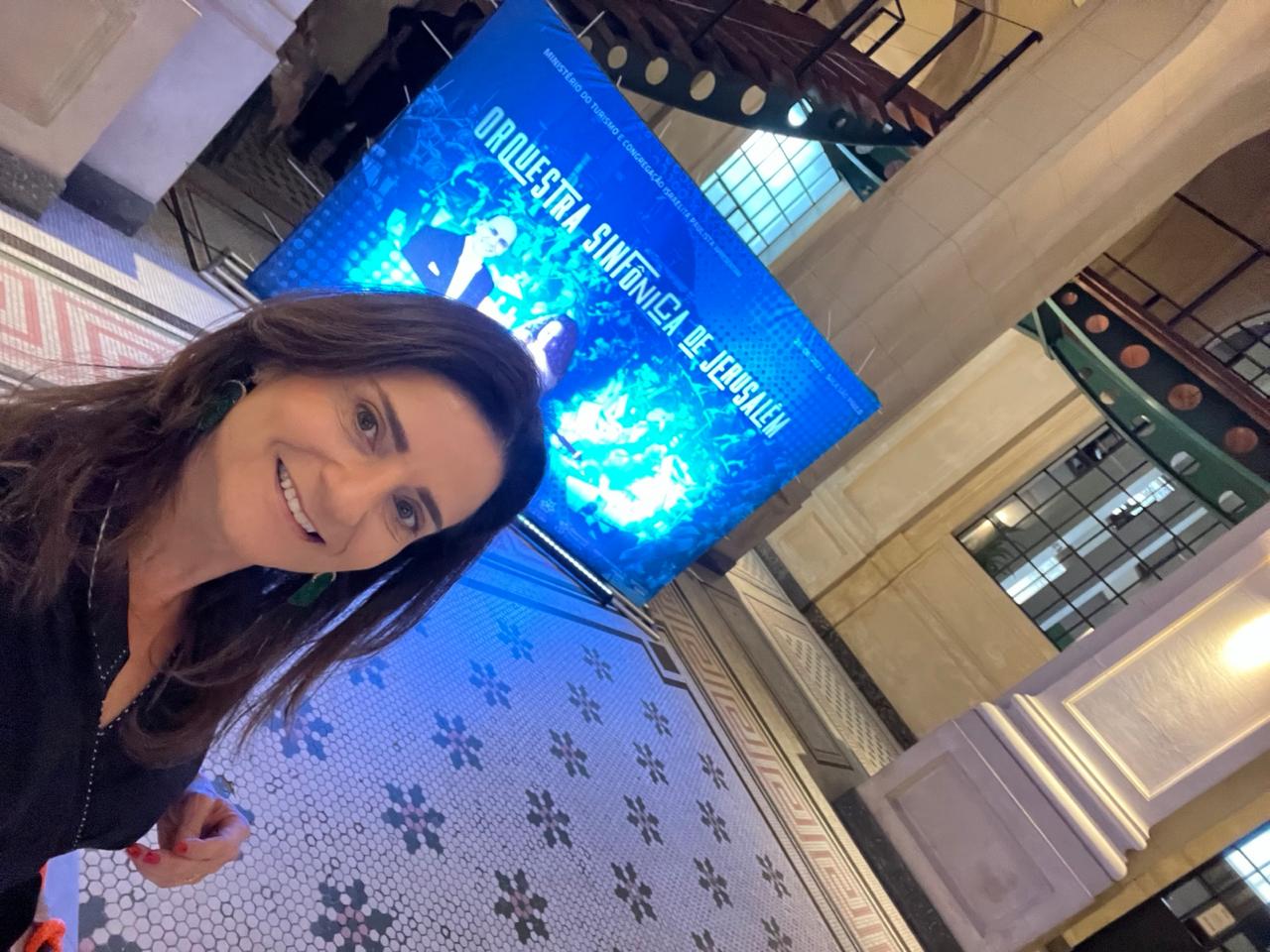
Laura Feldman, President of the Congregação Israelita Paulista (CIP), reflects on the challenges of preserving Jewish identity in a changing world, the importance of dialogue, and the legacy her generation hopes to leave as the institution approaches its centennial.
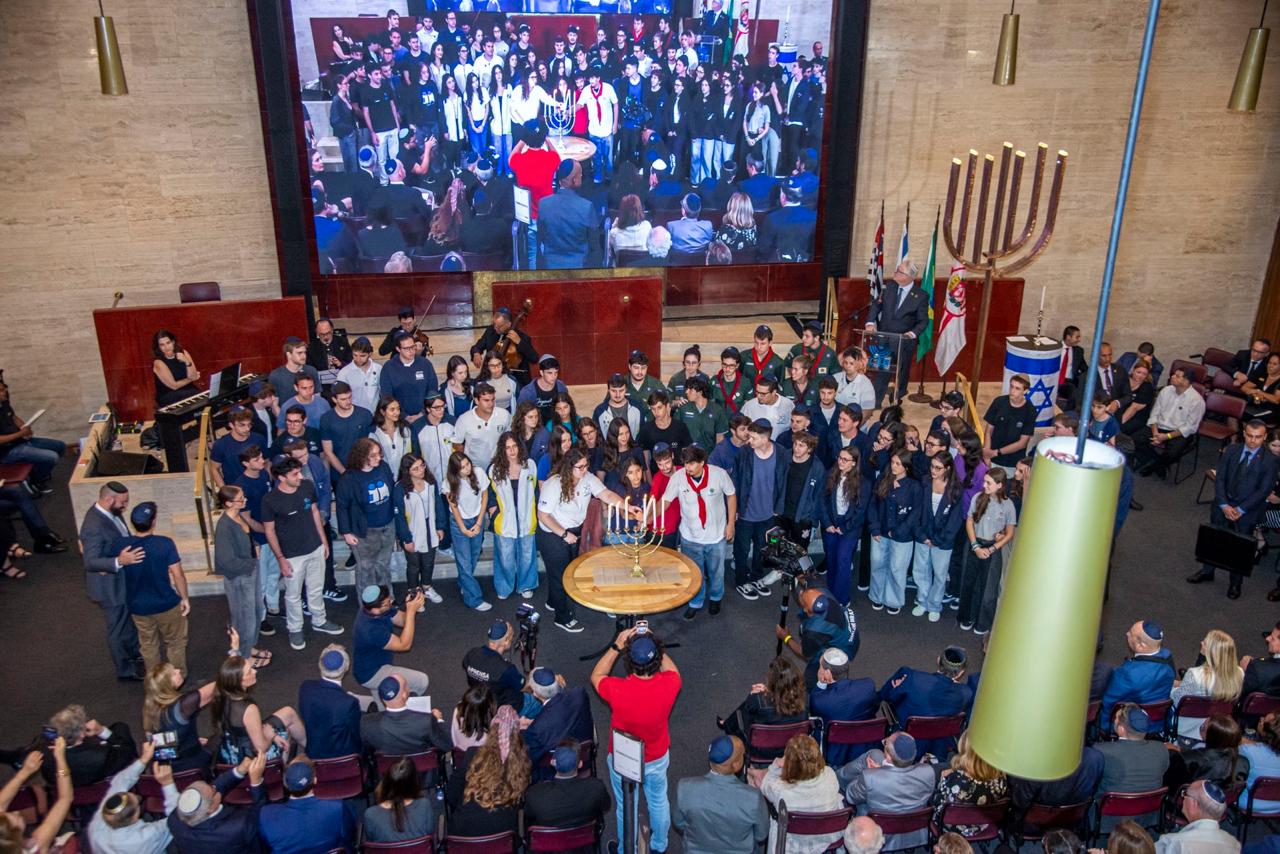
Founded in 1936, the Congregação Israelita Paulista (CIP) marks its 90th anniversary as one of Brazil’s most traditional Jewish institutions. Over nine decades, it expanded its role beyond religious life, establishing itself as a hub for education, culture, social assistance, and dialogue with Brazilian society.
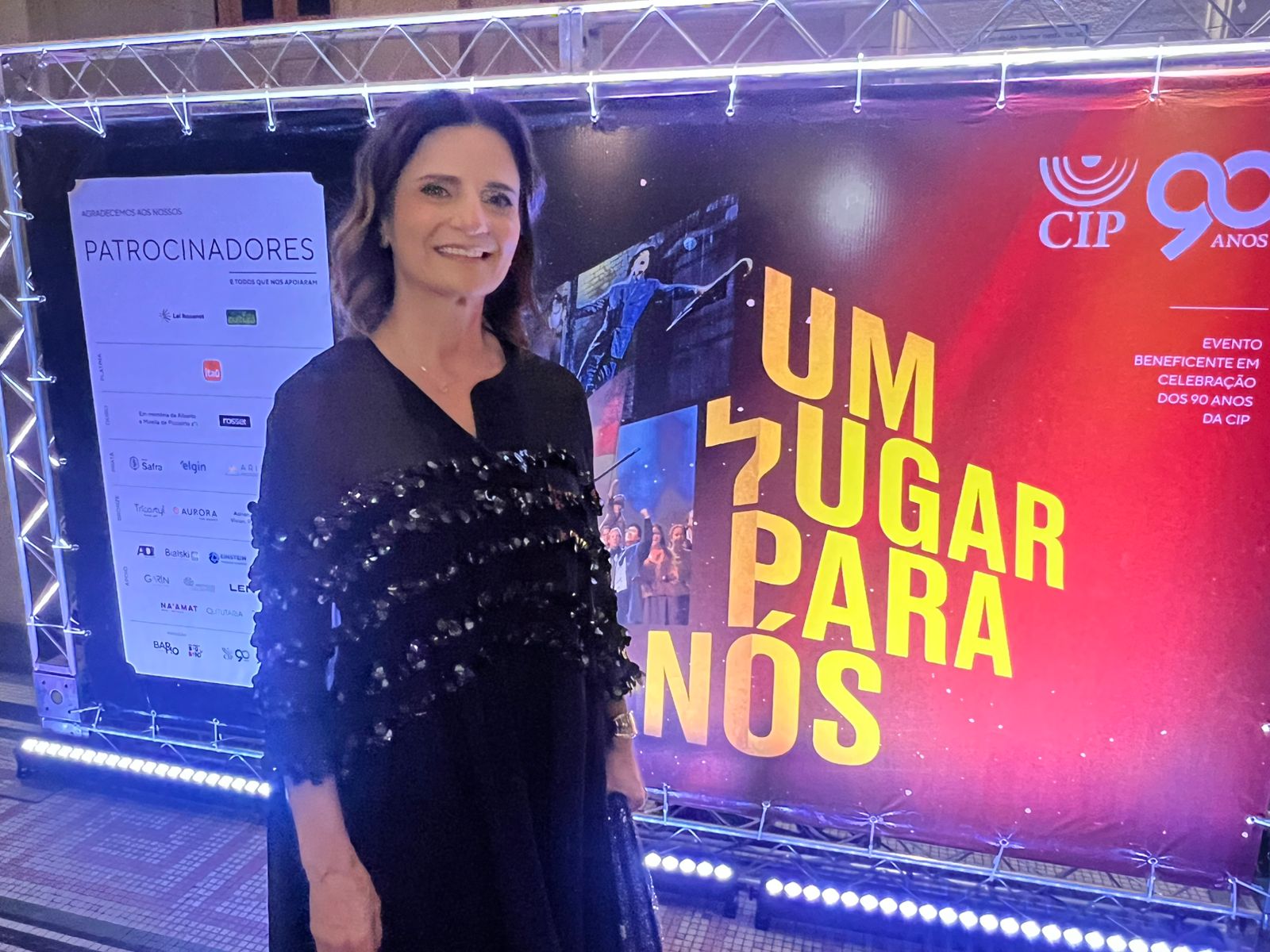
One highlight of the celebrations was the show “A Place for Us – From Broadway to Brazil”, staged at Sala São Paulo and inspired by the contributions of Jewish artists to Broadway and musical theater. In this interview, CIP President Laura Feldman discusses the past, present, and future of the institution, as well as the responsibility of leading it at a time marked by rising antisemitism and polarization.
1. What does it mean for CIP to reach 90 years? What has allowed the institution to remain relevant across generations?
Reaching 90 years is, above all, a celebration of continuity. CIP has lived through very different moments in Brazilian and Jewish history, managing to preserve its identity while embracing transformation. Everything around us has changed: Brazil, the world, the Jewish community, communication, even how people relate to institutions. Yet some things remain. The essence of CIP lies in its ability to welcome, build community, and provide a space where Jewish identity, tradition, and modernity coexist. Our greatest pride is reaching 90 years while honoring the past, asking what we can do in the present, and envisioning the future.
2. CIP has gone beyond being a religious institution to play a major role in São Paulo’s cultural and social life. How do you see this contribution?
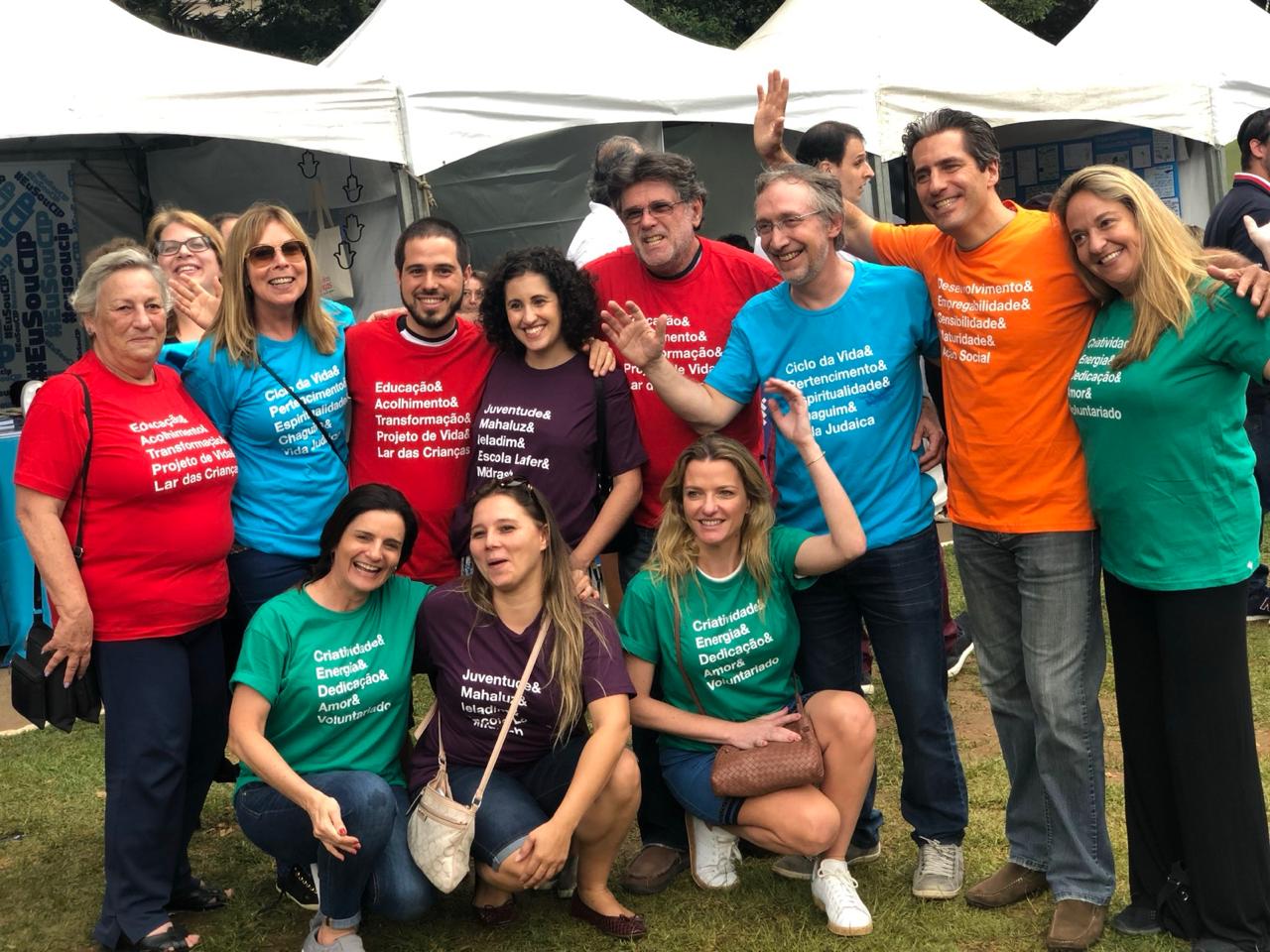
I see it as essential to CIP’s identity. Judaism does not teach us to live in isolation. On the contrary, we have a strong tradition of responsibility toward the society we live in. Throughout its history, CIP has been connected to culture, education, interfaith dialogue, the defense of democracy, and social assistance. Our largest social project, Lar das Crianças da CIP, will celebrate 90 years in 2027. We don’t want merely to exist as a community; we want to contribute. That contribution is part of our legacy to the Jewish community, to São Paulo, and to Brazil.
3. Why choose Broadway to mark the 90th anniversary?
Traditionally, CIP has organized major classical music events. Last year, we lost a dear friend, philanthropist Mario Adler z’l. He was more than a supporter—he was someone I deeply trusted to validate choices of orchestras, virtuosos, and projects. When we began planning the 90th anniversary, I was still grieving and couldn’t find the strength to organize another classical concert without him. That’s when Broadway emerged as an idea. The choice became symbolic: Broadway’s history is also one of immigrants, diversity, and people who arrived in a new place and helped build something that became a shared cultural treasure. We also wanted to highlight the extraordinary contributions of Jewish composers, authors, and artists to global culture. Music transforms particular experiences into something universal. This resonates with CIP’s own journey. Over 90 years, we have built “a place for us” within Brazilian society, always understanding that this place must also be one of contribution, encounter, and creation. Our identity is not a boundary—it can be a bridge.
4. In a time of growing antisemitism and polarization, what role does CIP play?
Perhaps building bridges is more important today than ever. CIP must stand firm in defending its identity and Jewish values, but we cannot respond to intolerance with more intolerance. We must defend what we believe in while maintaining the ability to engage in dialogue. Polarization often tries to convince us to choose sides and see the other as an enemy. I believe the opposite: we must expand dialogue and create spaces where different people can meet. Especially after all our people have endured, we carry a great responsibility to choose life. Our response cannot be hatred. It must be to build, create, educate, care, and transform.
5. How did your own journey within the Jewish community lead you to the presidency of CIP?
My relationship with the Jewish community has always been tied to belonging and participation. Over time, I realized that a community only remains alive when people are not just spectators but feel responsible for what they are building. Becoming president of CIP is a great honor and an enormous responsibility. We inherit an institution built over 90 years by many generations. Our role is not only to care for what we received but to prepare CIP for the decades ahead. I feel privileged to contribute at this moment, alongside so many who believe that community is built with generosity, participation, and vision for the future.
6. With only ten years until the centennial, what CIP would you like to see at 100, and what legacy should this generation leave?
I would like to see a CIP even more vibrant, plural, welcoming, and relevant. A CIP that continues to be a place of belonging for different generations while remaining permanently connected to the world around it. I want young people to feel there is a place for them. I want families to find community. I want culture to remain a bridge, dialogue to endure as a value, and Jewish identity to be lived with pride, freedom, and openness. If, at 100 years, we can look back and say this generation not only preserved CIP but made it stronger, more inclusive, and more prepared for the future, we will have fulfilled our mission. Because true legacy is not only what we inherit—it is what we deliver, greater and better, to those who come after us.
Interviews by Liane G. Zaidler and Silas Anastacio