
Existential Risks: Humanity’s Fight for Survival
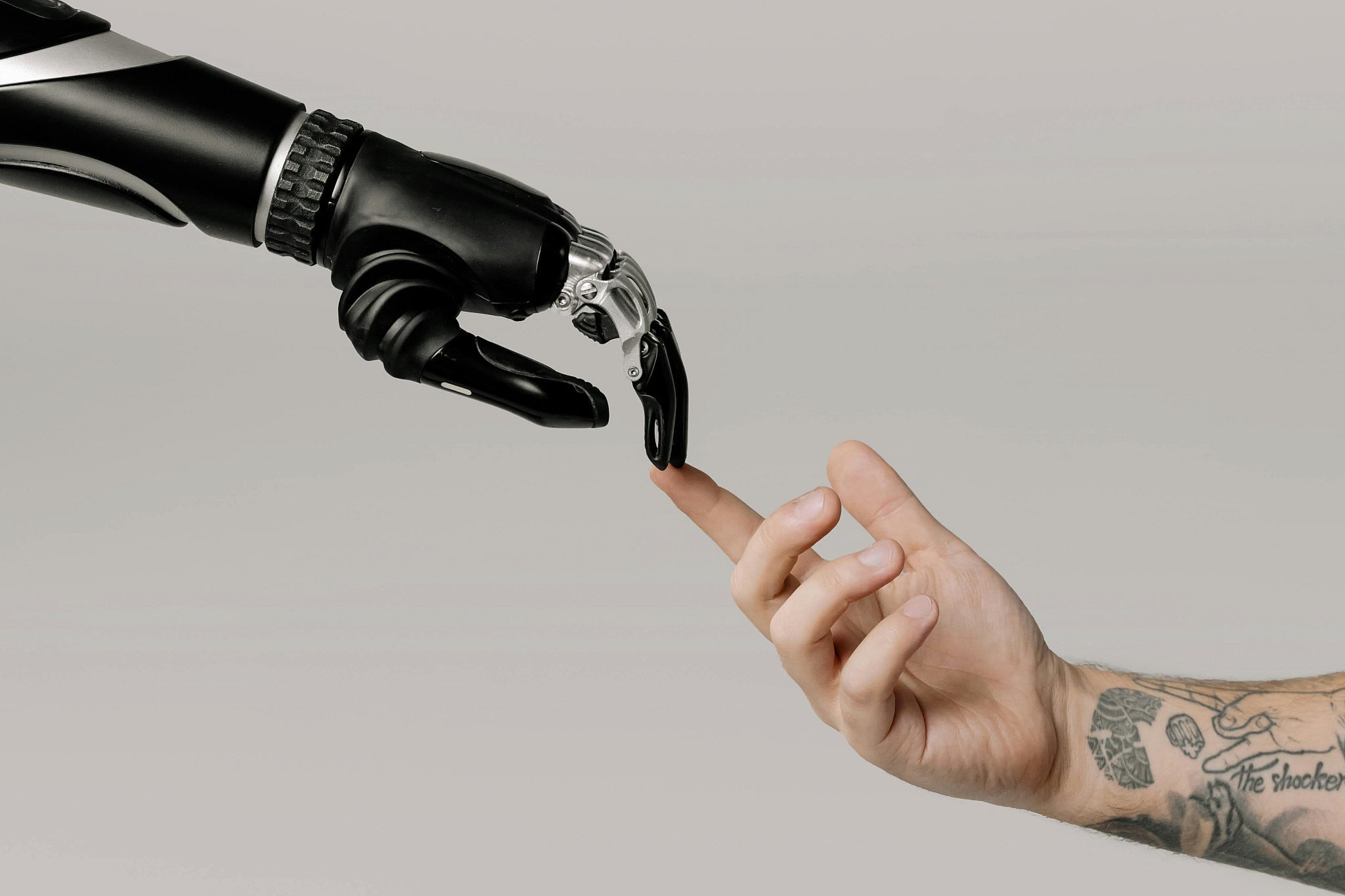
A look at the existential threats facing humanity.
As the Jewish nation fights for its right to exist in peace in the Middle East, humanity as a whole faces a range of existential threats that challenge our future as a species. From the current geopolitical tensions with the threat of nuclear war, to trauma and deep psychological pain crippling generations, these risks are not just theoretical—they are unfolding before our eyes.
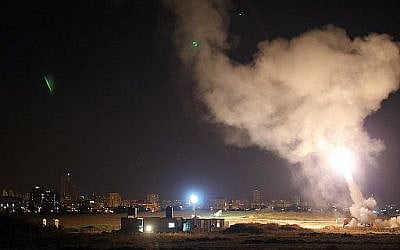
The Threat of Nuclear Armageddon
With the conflict in the Middle East on a knife edge, and the Russian invasion of Ukraine threatening to further escalate, the risk of nuclear conflict has reached a level not seen since the days of the Cold War. As I write, political leaders in countries with nuclear capabilities are considering their next manoeuvre. This era of increased geopolitical instability with the likely potential for escalation could obviously have catastrophic consequences.
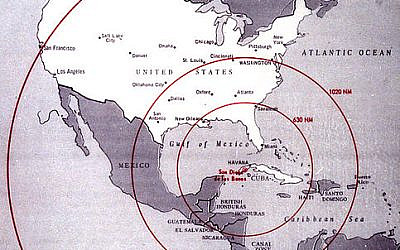
Whilst the United States and Russia hold the majority of the world’s Nuclear weapons, who knows how Iran will respond; then there’s the emergence of China as a global superpower with a strong nuclear arsenal; North Korea with its nuclear weapons and an unpredictable tyrant leader; and all of this off the back of the collapse of the long-held INF Treaty in 2019. The threat of a nuclear Armageddon hasn’t reached these heights since the distant memory of the Cuban Missile Crisis.
Resource Depletion and Environmental Collapse
Less immediate than the threat of nuclear annihilation, is the threat we face from the fragile and strained ecosystems that sustain life on Earth. Whilst we may not be able to reach a consensus on the degree to which we humans are contributing to a changing climate, or even if the climate is changing long-term at all, what is obvious is that our natural environment is under constant pressure from human activity. There’s no shirking from the fact we are still heavily dependent on non-renewable resources to sustain the lifestyle of 8 billion humans, and the demand for housing, food and clothing places enormous strain on our natural environment. The concern is that we may not know the real impact we have on our fragile planet until the consequences of our activities are inevitable and irreversible.
Declining Population Growth in Advanced Economies
Sure, there’s a burgeoning world population of 8 billion humans placing enormous strain on the environment, but what about countries with a declining birth rate? Whilst Israel’s birth rate remains the highest among OECD countries, and population growth in regions like Africa is booming (the African continent will increase from 1.4 to 3.9 billion inhabitants by 2100), demographic shifts pose a unique challenge to countries like Japan, Greece, Italy, and even the United States, where aging populations and declining birth rates are creating a demographic imbalance. This has significant implications for economic growth, labour markets, and social security systems.
Japan, for example, faces a shrinking workforce and an increasing burden on its younger population to support an aging society. As Elon Musk tweeted last year,
Twice as many people died in Japan last year as were born. Population freefall. Rest of the world is trending to follow.
So whilst it’s unlikely to signal the end of humanity, advanced economies like Japan do face an existential crisis of their own in tackling a declining birth rate.

The Unknown Threat from Artificial Intelligence
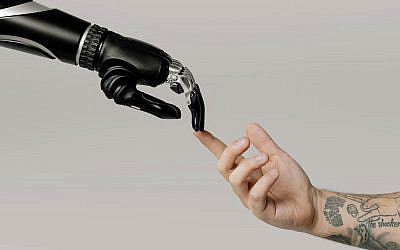
Artificial Intelligence (AI) is presenting huge opportunities and benefits to us all, however the profound risk it brings is a little less tangible. We’re seeing AI revolutionize industries, and it will no doubt result in huge changes to the way we operate in ways we haven’t begun to fathom; however the biggest threat is the existential threat it poses to humanity.
Historian and philosopher Yuval Noah Harari writes in his latest book Nexus:
Knives and bombs do not themselves decide whom to kill. They are dumb tools, lacking the intelligence necessary to process information and make independent decisions. In contrast, AI can process information by itself, and thereby replace humans in decision making. AI isn’t a tool—it’s an agent.
And warns in a recent interview:
The AI that we are familiar with today in 2024 is just a very, very, very primitive first step of the AI revolution. We haven’t seen anything yet.
The integration of AI into every facet of society will no doubt alter power structures and challenge human autonomy, but the potential for an intelligence far greater than our own, possibly developed by humans that believe we are a blight on the planet — well, who knows where that could lead.
The Psychological State of Our Species
As Artificial Intelligence explodes, the mental state of our own species lies in the fetal position. Canadian physician and author Gabor Maté highlights the trauma passed through generations:
We pass on to our offspring what we haven’t resolved in ourselves…[when trauma is left unhealed, it] has an impact on your life…about how you feel about yourself, how you see the world, how you get triggered, what you believe about yourself, the kind of relationships you get into. And it shows up in the form of chronic illness.

And on a species level, biologist Jeremy Griffith offers his own profound insight into our spiraling psychological situation. Reinforcing Maté’s point, he explains that it is an extremely upset-compounding situation where each new generation is traumatized by the psychological upset of the proceeding generation, which then in turn traumatizes the next, a spiral that has been fueled by information technology that means all the horror is spread around the globe. Clearly a crisis point would eventually be reached where unbearable levels of psychological anguish would develop—and it is precisely that terrifying endgame situation that the human race is now in, as evidenced by the mental health epidemic. Referencing a quote from psychologist Maureen O’Hara,
Humanity is either standing on the brink of a quantum leap in human psychological capabilities or heading for a global nervous breakdown.

These challenges paint a sobering picture of the threats facing humanity. Yet, by understanding the risks and addressing the root causes of these issues, we can begin to formulate solutions and safeguard our future.
In my next article, I will dive deeper into the pressing technological threat of Artificial Intelligence, and examine how it may reshape our world in ways that are hard to fathom.