Expanding Horizons
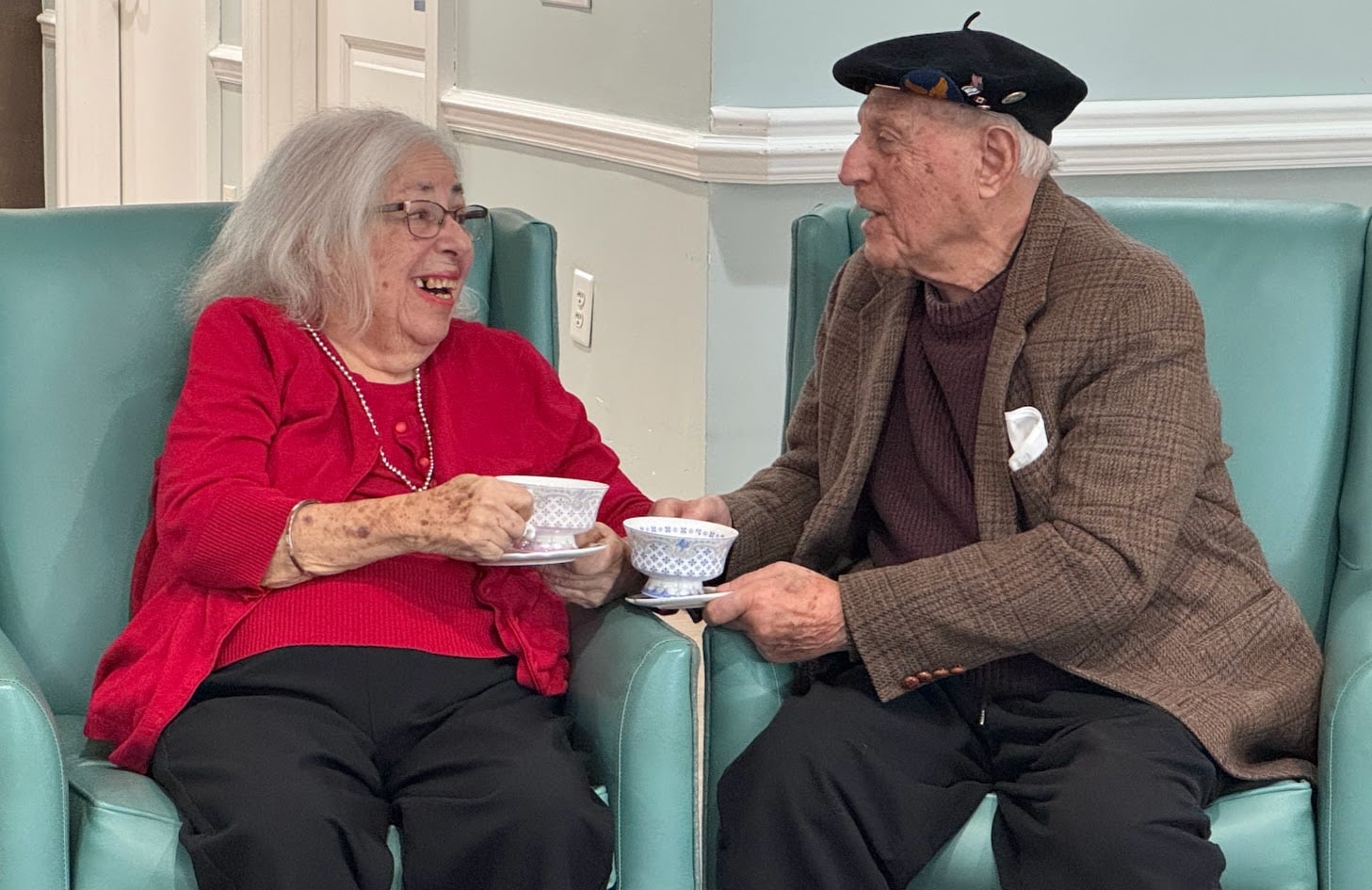
As we look at the world of elder care services, the list of things that are changing is long and getting longer. We all know that the demographics are shifting, that the population of older adults is growing significantly. We also know that this large number of older adults does not, and will not, want the same things that elders want today.
We know that our system has been built to care for and support frail elders and has expanded from there. But, at the core, in many ways, we continue to build from a model that is often based on disability rather than ability. We have segregated elders, believing that our efforts were in their best interests.
Yet, if we take a step back, a big step back and ask ourselves the question of what we want as we age, if we define what is important to us. I doubt that it would be living in a place where safety is the most important consideration and where your life, your schedule, your choices are all out of your control.
It does not have to be this way nor, in truth, should it be. This week, nonprofit elder care leaders from around the country gathered at our biggest national meeting, with more than 6,000 caring and committed individuals sharing ideas and best practices, providing insights into the ways in which they have challenged themselves and their organizations in an effort to improve.
Within the walls of the elder care organization in which I am privileged to work, we have made many strides in this arena. We have developed small households in which our elders can live with freedom and more choices. We have unlocked our previously locked doors and provided greater opportunities. We have seen the results and know that these efforts have a positive, and measurable, impact.
But there is more to do and more than we can, and must, do. Some of the inspiring words we heard were simple and, perhaps, even obvious. Rather than choose things that we think the elders will like, from décor to programming, we need to consistently ask and not assume. A simple thing, like having elders “test” sample chairs to determine the style that suits them the best, can make a difference in the environment.
Beyond that, though, there were many learnings about going further, about developing inclusive spaces and programs that will bring community and elders living in residential facilities together. Why not create that blend? Why not find ways to bridge those gaps? We have many intergenerational connections today but what if we took that more broadly? What if there were places in which people of all ages could come together and participate in art, cooking, lectures, exercise and so much more.