Communication, Conflict Resolution & Peacebuilding
Facilitating Dialogue Amidst Turbulent Times
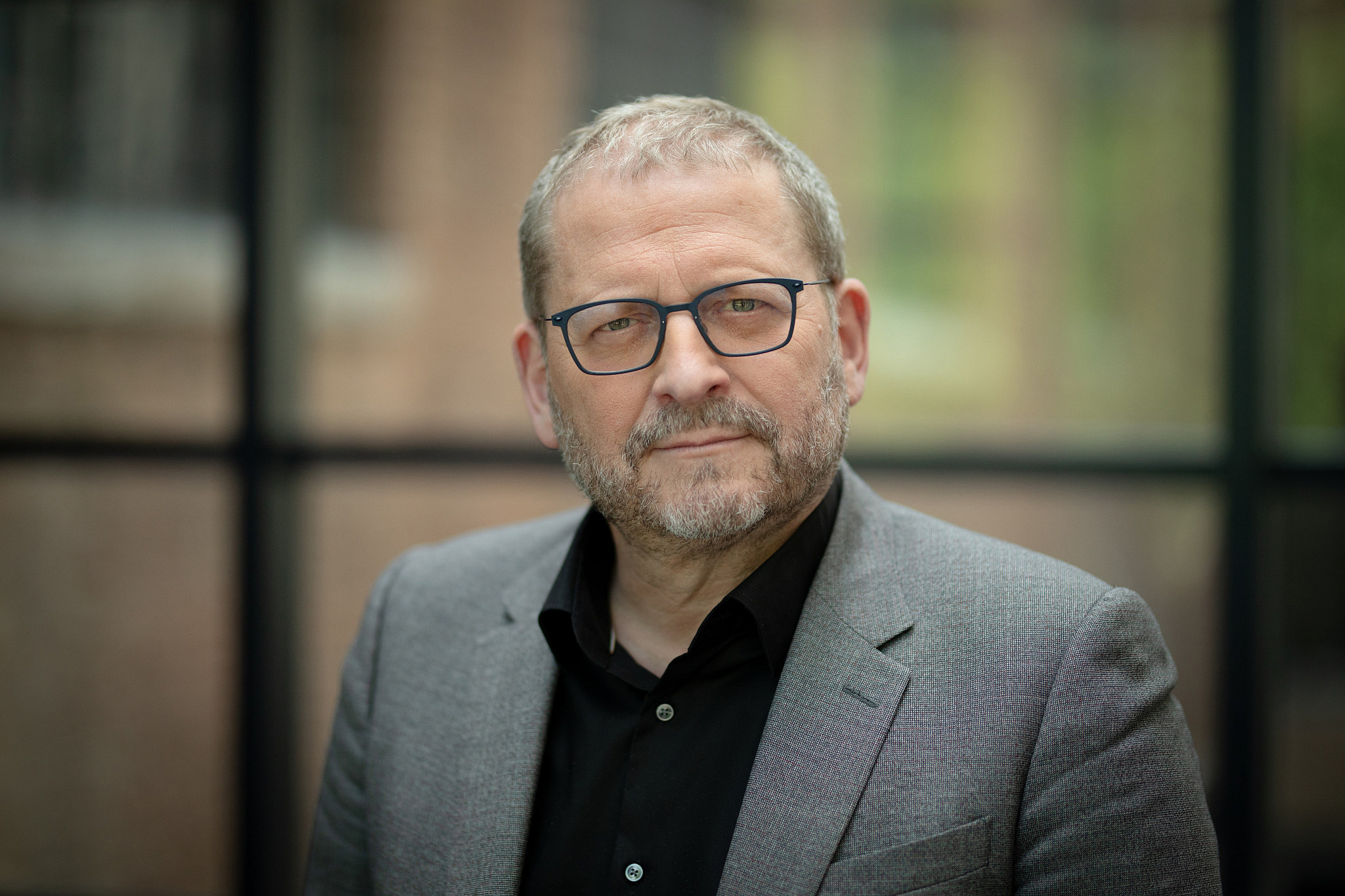
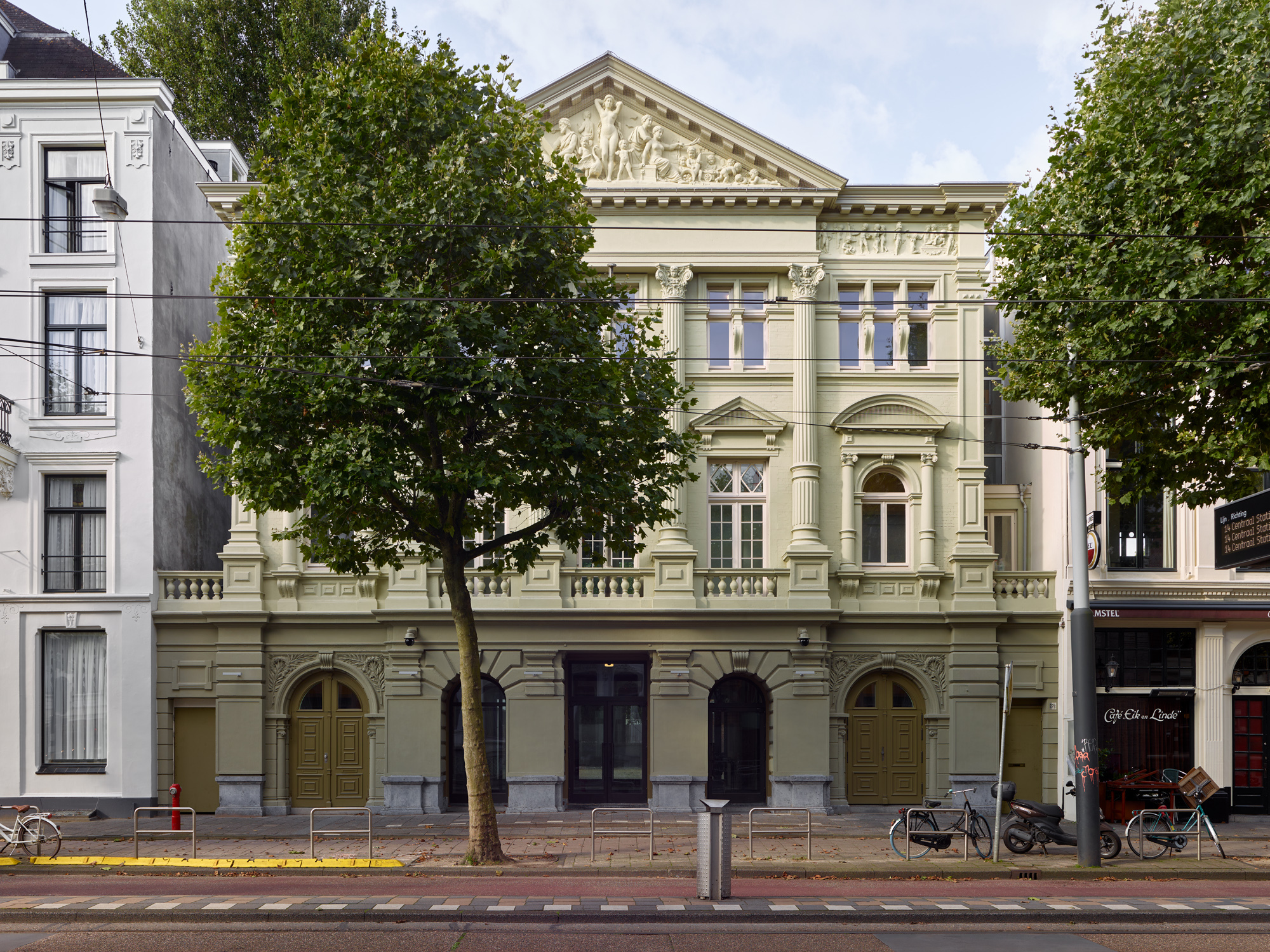
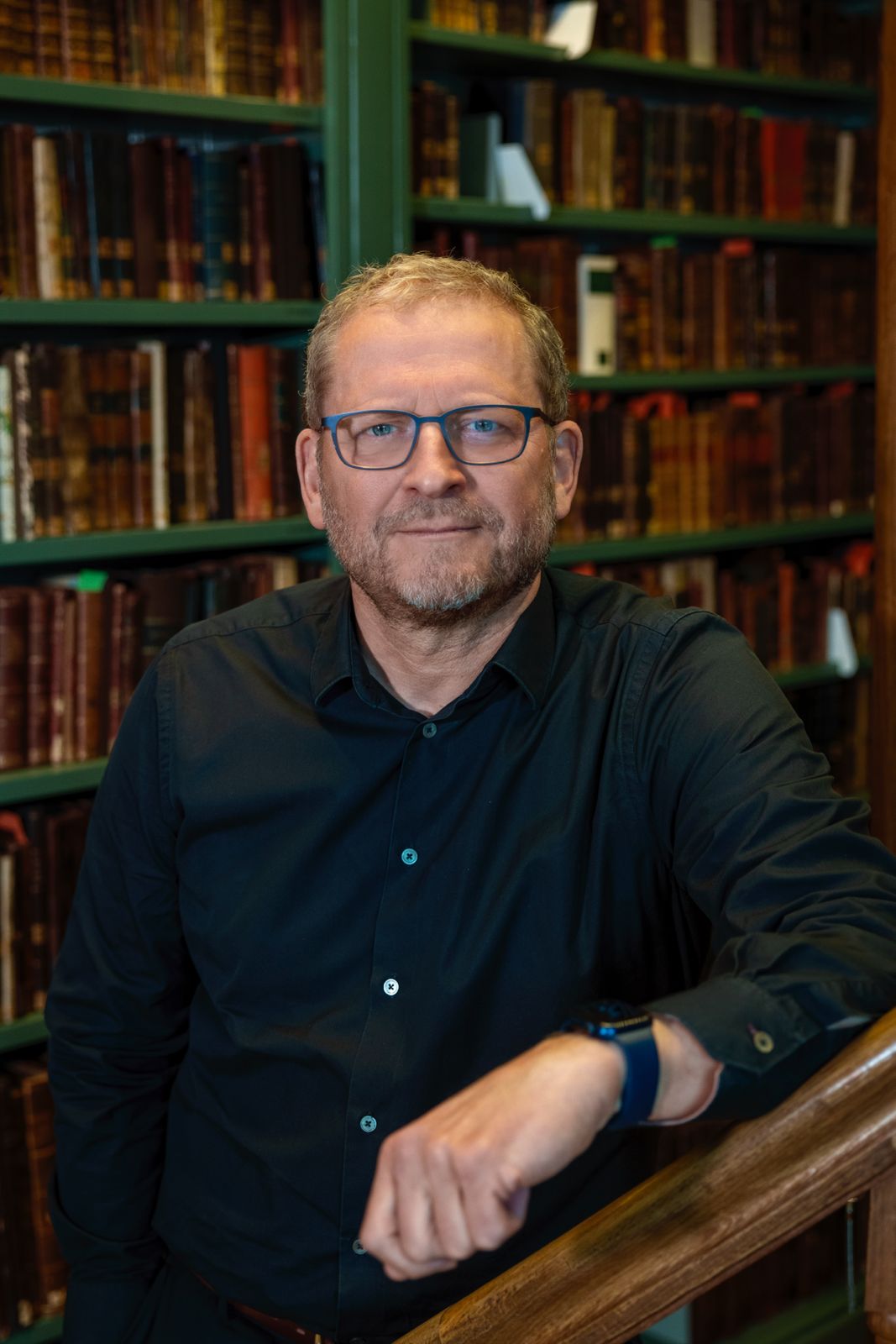
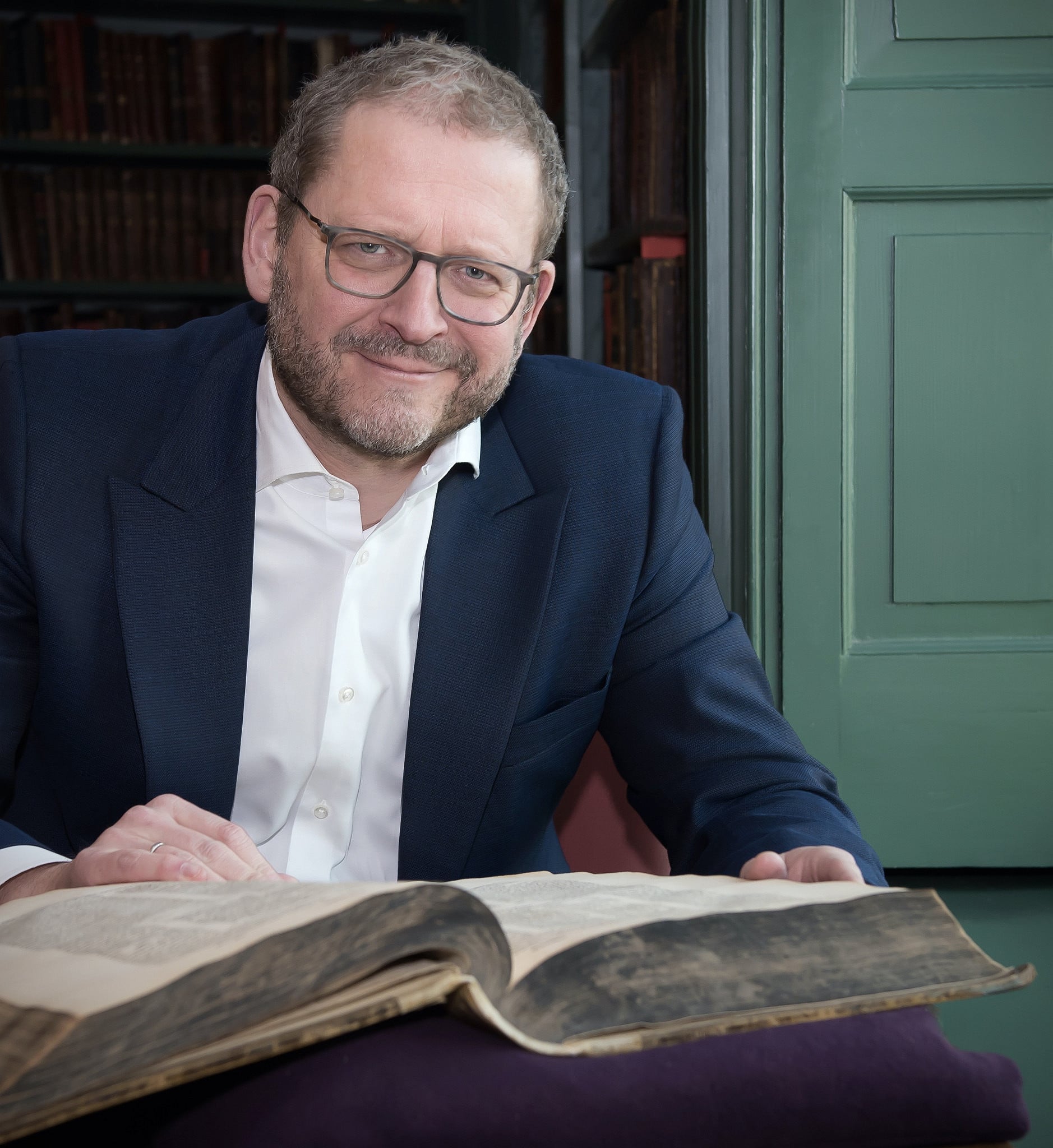
Prof. Dr. Emile Schrijver, General Director of the Jewish Cultural Quarter in Amsterdam
After completing my studies in Israel, I moved to the Netherlands in 2019. On my first day in Amsterdam, I have found the calmness and peace that my soul loved. I was drained after studying and witnessing the conflict, and experiencing the never-ending sufferings of both sides. Since October 7th, I found myself once again struggling with the turmoil in the Middle East, and sought spaces for dialogue to build everyday peace.
A few days ago, I visited all the locations of the Jewish Cultural Quarter in Amsterdam and noticed the kindness of their staff, who come from diverse backgrounds. After engaging in some conversations, I recognized that each of them had unique stories and interconnected reasons for being there. I wondered if I could interview the General Director Prof. Dr. Emile Schrijver. When I asked some volunteers, museum guides, and security guards, they responded: “Emile is the man who enters from the door, makes eye contact, smiles, and greets each of us. To the new staff, he introduces himself and asks for their names. Emile is very kind.”
I noticed the motto, ‘Open for Everyone’ and staff from interfaith backgrounds. What are the core values of the Jewish Cultural Quarter?
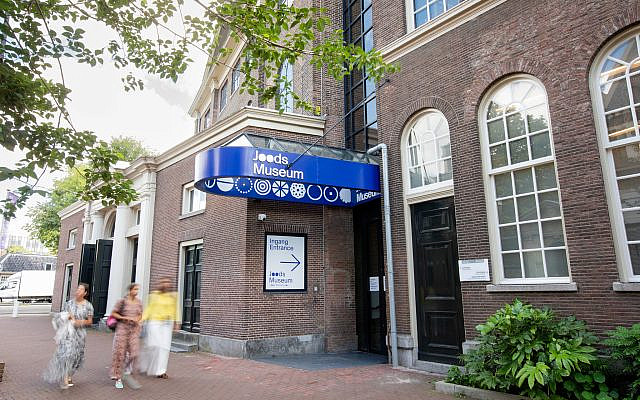
Our role in society is to highlight the presence of Jews in Dutch society throughout the centuries. We are telling our stories through our historical and socio-cultural experiences, yet we are not only communicating as a Jewish community. ‘Open for Everyone’ also means that our staff and visitors are welcome to feel free to be themselves and ask questions from differing perspectives.
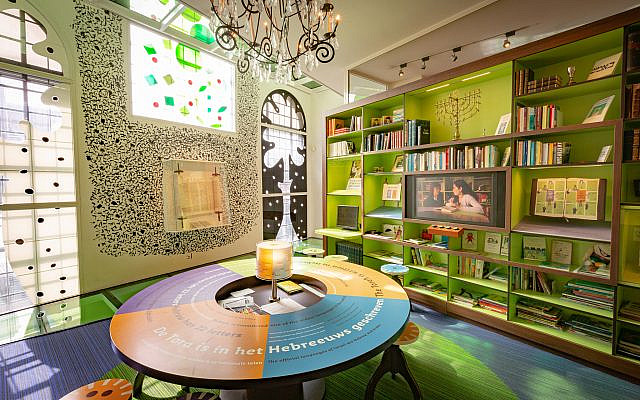
As the JCK, we try to find out what presumed, preconditioned, and prejudiced ideas people come to us with. If we are only willing to tell our stories but not genuinely communicate with diverse communities, we would give them only a one-sided experience. Another point I want to emphasize is that the Jewish Cultural Quarter is a state-funded organization, which means that we cannot only focus on the Jewish community. We have a responsibility to connect and engage in dialogue with diverse communities in the Netherlands and abroad.
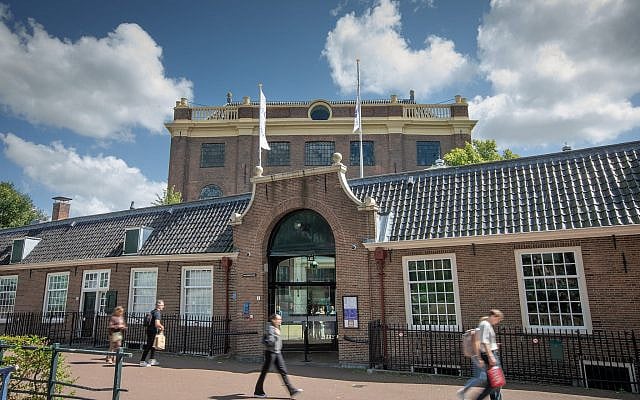
Following October 7th, Jewish communities and institutions outside of Israel experienced trauma and increased Antisemitism. What has been your experience as the general director during these turbulent times?
Our organization provides a safe space for exploring and sharing what some people call ‘unsafe’ ideas. As a director, I appreciate this notion because it encourages all of us to facilitate dialogue amidst our turbulent times. I observe tremendous confusion in our society. Jews and non-Jews are altogether confused because of the rise in Antisemitism. What we offer is a safe place where people can find alternative opinions, feel free to express themselves, and engage in difficult discussions.
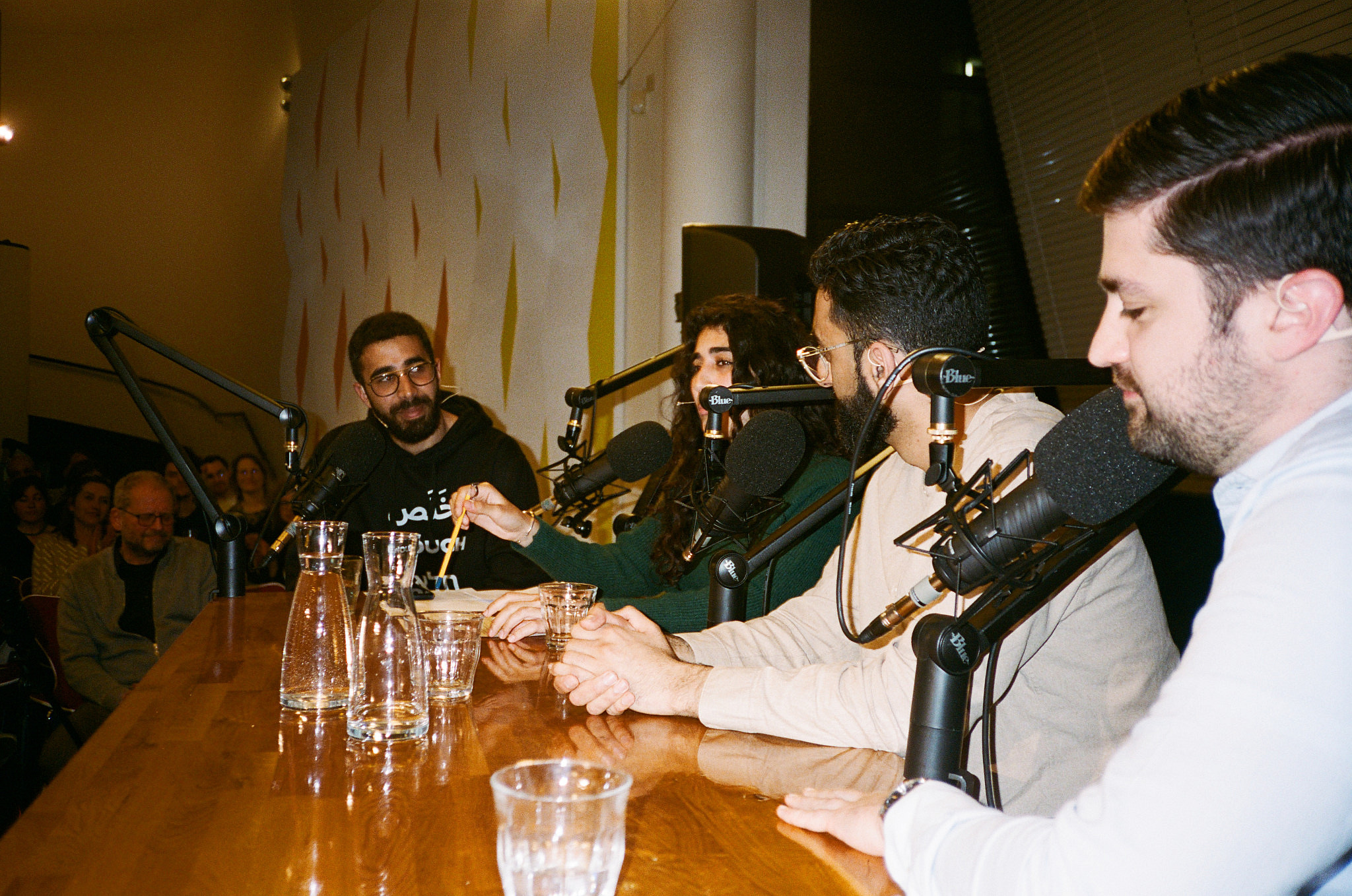
It has become increasingly difficult for us to navigate the political situation because of the constant confusion regarding the words: Jewish, Israeli, Antisemitism, Zionism, and Zionist. And let us not forget the weaponized word: genocide. It is a continuous word game and an escalated war of words. Words do matter, and Jewish communities all around the world suffer from it. In every event we host or interviews I give, I am frequently asked what I think about the ongoing war between Israel, Palestine, Lebanon, Syria, Iran, and Yemen.
What hurt me the most was the media coverage on October 8th, in which the suffering, kidnapping, torture, and death of Jews, Israelis, and people at the nearby kibbutz and Nova Music Festival were trivialized. Many people ask me if I am feeling sad about the loss of civilians, the number of children who were killed in Gaza. They are testing and judging me to see if I am leaning towards good or evil through competing narratives. Amidst the ongoing war on multiple levels, how could I not feel pain for all the suffering, traumas, and loss we are all going through? I think of all these happenings every single day, and my heart is heavy for our collective suffering.
The opening of the National Holocaust Museum in Amsterdam was marked by a cacophony of noise, which drew the attention of politicians, media, and the public from opposing groups. As the general director, you were constantly in the spotlight for almost a year. How could you manage all the pressure without getting burned out?
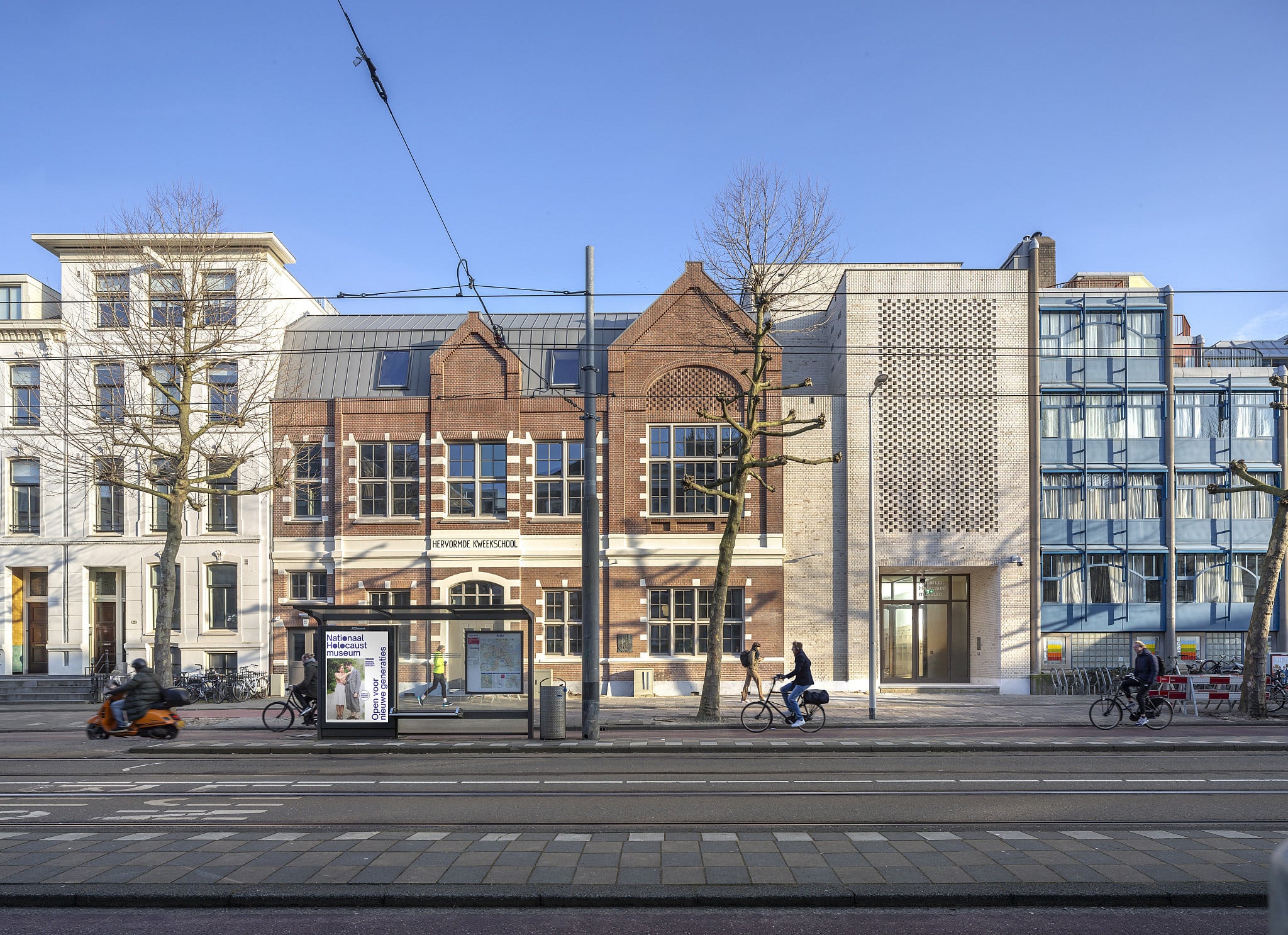
I managed the pressure by focusing on my responsibilities and staying mindful of three things. The first important point was to ensure the successful opening of a profoundly meaningful museum that we had worked on for many years. The second point, interestingly, is that the protests were not directed at the National Holocaust Museum itself. No one opposed the museum; instead, all attention was focused on President Isaac Herzog. I was convinced of the necessity of inviting him. We maintained a straightforward and consistent line of communication about the symbolic reasons for our invitation. That consistency helped me look beyond the chaos.
And third, on a more personal level, I believed the protesters weren’t angry with me. They were screaming their frustration at the general director of the Jewish Cultural Quarter, but they don’t actually know me. It didn’t hurt me personally, though I am deeply concerned and involved. My family, children, and grandchildren know me. If they were to be against me, that would hurt far more than the anger of people who only see a public figure in a suit and tie. That figure happens to be me, yes, but it’s my public role, not the complete picture of who I am as a person. Did it affect me? Of course, it did. It was an unbelievably stressful situation, yet I had to cope with it.
I also noticed that you have been reminded, over and over again, about the opening of the National Holocaust Museum.
One of the most deeply troubling aspects of how this has been handled in the press and politics is the focus solely on the police and on Mayor Femke Halsema. No one is talking about the person holding up a photograph of a child in Gaza to another young child in the Netherlands. No one is talking about these aggressions. What goes through their mind when they feel entitled to shout at 85-year-old Holocaust survivor Rudie Cortissos, and call his great-granddaughter a child murderer, simply because the President of Israel is attending the museum opening? It is sickening.
We focus too much on holding the police and authorities accountable, but there is also a broader societal responsibility. I believe in peaceful protests and freedom of speech. I support all of that, but within these movements, there are also elements whose actions are deeply troubling that must be addressed. Using a photo and aggressively showing it to another child like that?! And what’s even more disturbing is that there’s a photograph of that moment, circulated all over the Internet. I’m not advocating for silencing anyone, but we must stand up against such toxic happenings in our society. These currents have only grown stronger since. Why is no one speaking up about these wrongdoings?
As a university professor, you have also experienced campus protests in the Netherlands, which increased hostility against Jewish scholars, students, and Israeli universities.
If you look at recent anti-Israel demonstrations, a large portion of those participating are genuinely concerned about what is happening in the Middle East, and that should be respected. If 98% of the students involved are not Antisemitic, and let’s assume that’s true, then come on, they’re simply concerned about the state of the world. For some, yes, it might be trendy to protest, but many are sincere. I’m not going to tell them that they shouldn’t be concerned. But the small percentage does harbor Antisemitic sentiments. The ones shouting Antisemitic chants like ‘Throw the Zionists into the canal’ or celebrating Hamas by glorifying violence in the streets are the people we need to be seriously concerned about.
What’s even more troubling is that the rest of the majority don’t stand up to them. They tolerate it. It is that tolerance that I find the most problematic. That, to me, is the real danger. Some people claim, ‘They don’t know what those slogans mean,’ or ‘It’s just ignorance.’ This is nonsense, and it doesn’t make anyone less accountable. We all have the responsibility to speak up against hate speech, mobilized aggression, and normalized violence that vandalize university buildings. Hence, when some people say that what’s happening on campuses isn’t Antisemitism, I have to disagree. Much of it may not be, but to dismiss all the aggression in plain sight is equally irresponsible.
Jewish Museum is presenting a temporary installation until 11 January 2026, ‘Imagining Futures: The power of futures thinking in uncertain times’ by Israeli Peace Activist, Designer, and Educator Mushon Zer-Aviv. It explores our contemporary crises and encourages us to rethink our future.
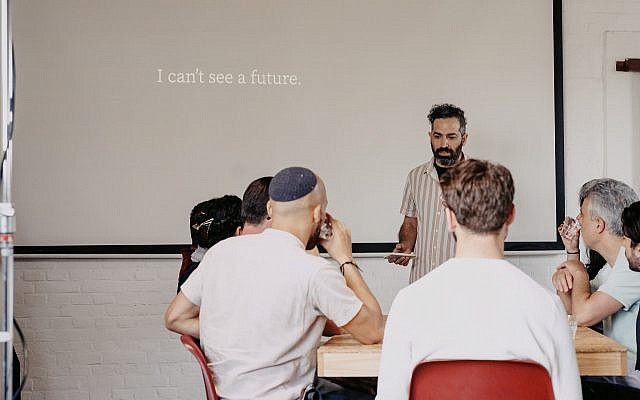
We are consciously aware that not everyone feels mentally free to think about the future when the present feels so overwhelming. I completely understand anyone who says, ‘I’m sorry, I’m not ready to think about the future.’ At the same time, we hear from many in our audience, both Jewish and non-Jewish, that people are asking: What does this conflict do to our society? Where is this going? Where are we heading?
Mushon Zer-Aviv has developed a method where he brings people together to open their minds and reflect on their future. What I appreciate about his approach is that it’s not about blind optimism. If someone envisions a troubling or daunting future, there’s a space for that. There’s room for realism and uncertainty, as well as for hope and dreaming. That balance is essential to rethink and rebuild our future.
In recent years, along with Jews, other ethnically diverse communities in the Netherlands are also struggling with belonging. Mushon Zer-Aviv’s installation encourages dialogues.
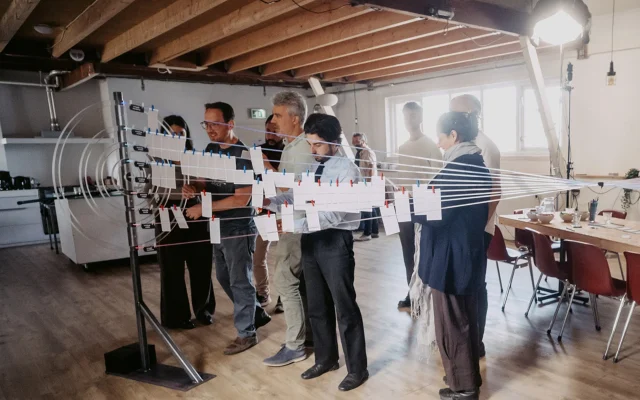
What we find particularly crucial is presenting an authentic reflection of the wide range of emotions felt here in the Netherlands, regarding what is happening in the Middle East. These are individuals who live in the Netherlands and are engaged with what is unfolding both here and abroad. Because we are based in the Netherlands, we felt a responsibility to ensure that as many perspectives as possible are represented within the group we worked with. After that initial phase, we open the process up to the audience as well. For us, this space is open to those who are truly willing to speak and to listen, really listen. That’s what constitutes a genuine dialogue. And those are the people we welcome here.
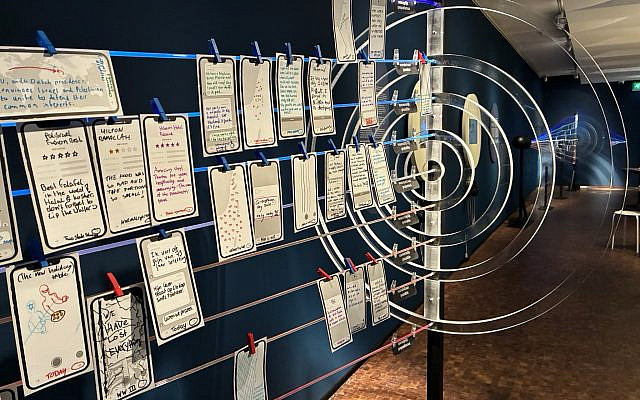
Of course, this kind of openness comes with risks. There will always be people who say things like, ‘Gaza should be turned into a parking lot,’ or others who claim that ‘Everything Israel does is inherently wrong.’ Those extremes are not the voices we are interested in. In an open space, people might say things that are difficult or even offensive. Still, that openness is vital. Without it, we can’t foster real understanding, dialogue, and collective healing.
During my 20s and 30s, I explored world religions to understand their similarities and differing moralities that are interconnected with conflicts. The Jewish wisdom, “Who is wise? The one who learns from everyone,” is very dear to my heart. It is a phrase from Pirkei Avot (4:1) that invites us to humility and openness. Is there any Jewish teaching that resonates with your soul?
One particular dictum from Pirkei Avot 1:6 speaks to me deeply: “Provide thyself a teacher; get thee a companion; and judge all men charitably.” This principle defines the way I live my life, as it captures the timeless values of seeking wisdom, fostering meaningful relationships, and approaching others with fairness and compassion.
Since my Ulpan courses at the Hebrew University of Jerusalem, I have been collecting quintessential Hebrew words. I like the word Chesed / חסד due to the way we pronounce it, as the first letter makes it sound bold and confident. Chesed means loving-kindness or grace, which we need to practice assertively. Do you like a Hebrew word that you think is profound?
The title of a remarkable booklet by Shmuel Yosef Agnon, Israel’s only Nobel laureate in Literature, brings together three words: ספר, סופר, וספור / Book, Writer, and Story. As a professor of Jewish Book History and the author of crime novels set in the world of the Hebrew book, I find this triad deeply resonant. Books are written, stories are told, and together they have shaped the roadmap of my life.
How would Emile Schrijver define peace?
Peace is a situation in which the lawful rights, reasonable demands, and dignity of all groups involved are honored, regardless of who we are, what we are entitled to, and what is acceptable for us to expect, even if it sometimes comes with loss. If that’s being respected, then peace may be achieved.
Related Topics