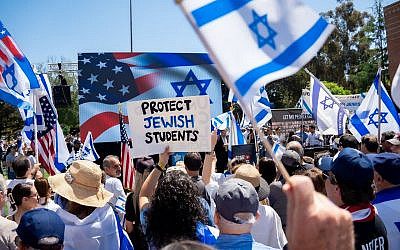
FBI Alert: Radicalism in The U.S. Universities
Abstract:
The emergence of radical and disruptive behaviors within American universities, often portrayed through aggressive and seemingly irrational actions by a small fraction of the student body. The influence of external ideologies and financial backing, the implications for academic integrity, and the broader impact on societal norms.
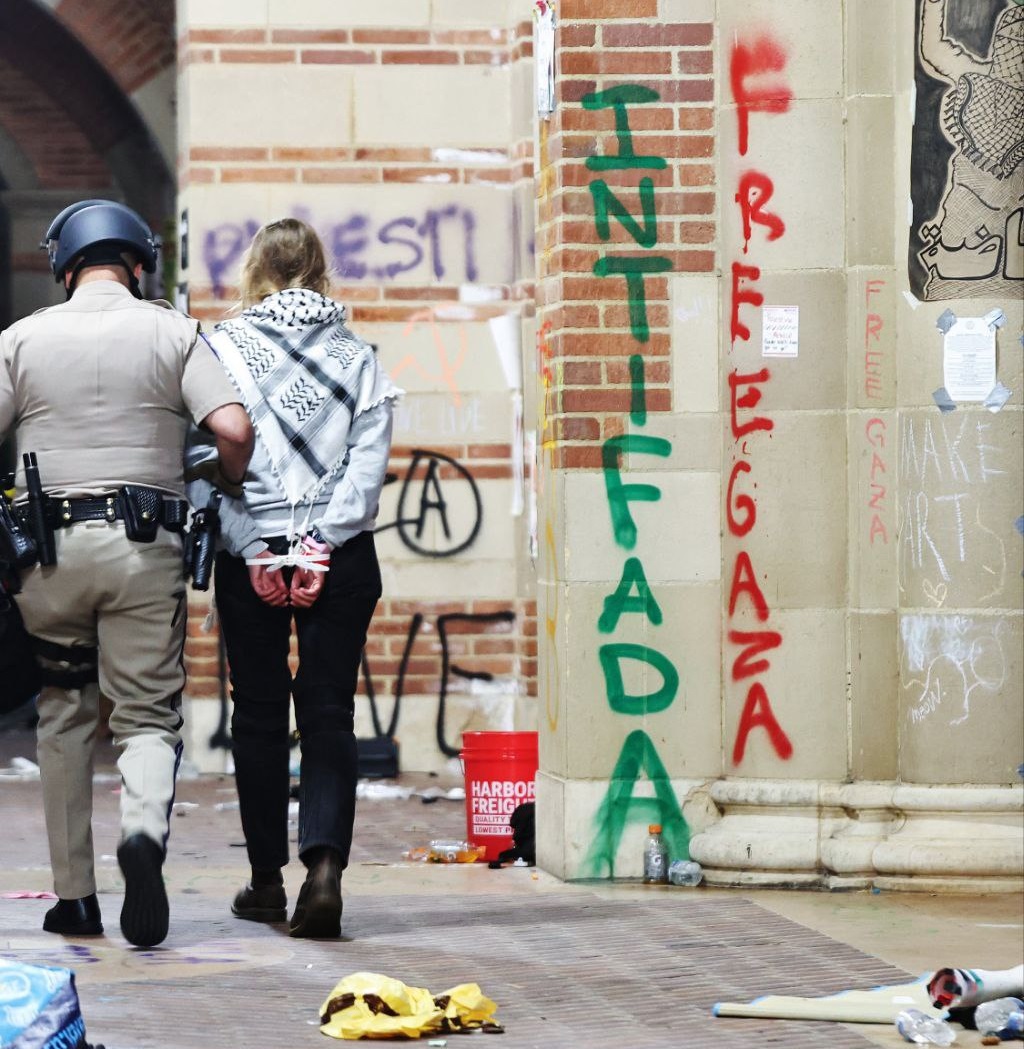
American universities, once lauded as citadels of learning and freedom of expression, are increasingly becoming grounds for radicalism and ideological clashes. The activities observed — ranging from vandalism to assaults — paint a concerning picture of a minority within the student body, which, although small in number, has a disproportionate impact on campus climate and public perception.
These individuals, possibly constituting as little as one-fiftieth or one-hundredth of the student population, are not just loud and disruptive; they engage in behaviors that poison the academic environment. Their actions, which include espousing antisemitism, chanting empty slogans, and engaging in extreme behaviors for social influence, are more akin to a caricature of leftist radicalism than genuine student activism.
What we have witnessed is not a benign student movement with clear objectives and demands, nor does it operate within the bounds of negotiation or legal and moral expression. The occupation of buildings, destruction of property, and assaults on fellow students are testament to this, as numerous media reports confirm. This isn’t about defending the oppressed or upholding rights; it’s a dangerous convergence of fascist, Marxist, and Islamic movements signaling a dire warning to the academic community about the spread of a radical ideology — specifically, the pernicious influence of Islamic radicalism and terrorism.
The infiltration of universities by suspicious foreign funds aimed at promoting certain ideologies and the hiring of professors who favor Islamic or Marxist ideologies over advancing science or knowledge is deeply troubling. These professors are not selected for their academic merit but for their ideological alignment, thereby stifling true academic and intellectual growth.
Take, for instance, the controversial invitation to Mahmoud Ahmadinejad at Columbia University. This event not only undermines the credibility of the institution but also raises questions about the selective outrage and protests regarding global atrocities. The silence on massacres in Ukraine, Syria, Venezuela, and Iran starkly contrasts with the vociferous defense of Hamas and other radical groups, revealing a deep-seated ideological bias.
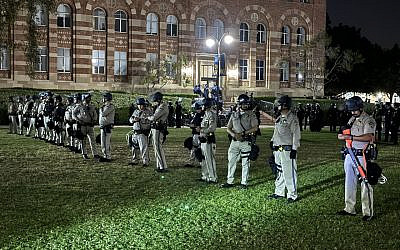
The defense of such groups and the activities on campuses are akin to supporting ideologies that have historically opposed Western values and modernity. These students, often seen defending or praising the actions of groups like Hamas immediately following their atrocities, are not merely misinformed; they are ideologically conditioned to perceive and react in ways that align with Marxist and radical Islamic thinking.
Furthermore, the prevalence of ‘academic’ fields that contribute little to tangible societal or scientific advancement, but rather focus on ideological indoctrination, shows a misallocation of resources that could otherwise benefit genuine academic pursuits.
The role of the FBI and other institutions in overlooking these developments is equally concerning. If these trends continue unchecked, America’s universities will cease to be safe havens for free thought and become echo chambers of radical thought that oppose the foundational values of the society.
Conclusion:
In conclusion, it is crucial for academic institutions, policymakers, and the broader public to recognize and confront the growing wave of radicalism within our universities. This is not just about protecting the integrity of educational institutions but safeguarding the very fabric of democratic society. We must act now to stem this tide, enforce the rule of law, and ensure that universities remain places of learning, not battlegrounds for ideological warfare.
The radicalism at American universities is a multifaceted issue, deeply intertwined with ideological battles that extend beyond campus borders. The confluence of Islamism, Marxism, and fascism within these educational settings poses a significant threat not only to academic integrity but also to Western democratic values. Addressing these challenges requires a concerted effort to realign academic goals with educational and civic responsibilities, ensuring that universities remain beacons of learning and not battlegrounds for ideological conflicts.
Summary:
- Minority Influence and Disproportionate Visibility:
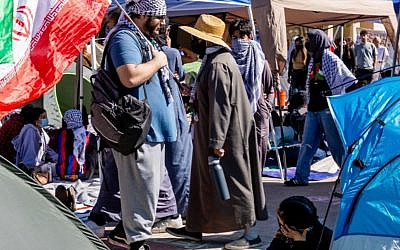
Despite representing a minuscule fraction of the student body, possibly as low as one-hundredth, the vocal and disruptive groups within universities command significant attention. Their actions, which include vandalism, public disturbances, and aggressive political expression, overshadow the majority’s more moderate views, leading to a skewed perception of student ideologies.
- The Ideological Underpinnings:
The radical behaviors observed are not isolated phenomena but are often driven by external ideologies and financial support. These include fascist, Marxist, and Islamic radical movements, each contributing to a composite framework of anti-Western sentiment. The presence of faculty members with strong ideological leanings and the invitation of controversial figures to campuses further exacerbate these influences.
- Impact on Academic and Social Norms:
The actions of these radical groups significantly disrupt academic activities and undermine the educational objectives of institutions. The employment of faculty based on ideological compatibility rather than academic merit compromises academic integrity and detracts from the university’s educational mission.
- External Funding and Influence:
There is a concerning aspect regarding the infiltration of foreign funds aimed at promoting specific ideologies within universities. This external financial support not only fuels the ongoing radical activities but also influences the hiring of ideologically aligned professors, thereby shaping the academic and cultural landscape of institutions.
- Case Studies and Comparative Analysis:
Instances like the invitation of Mahmoud Ahmadinejad to Columbia University underscore the challenges in maintaining academic neutrality. Such events, coupled with the lack of protest against international human rights abuses, highlight a selective approach to justice and academic discourse.
- Legal and Civic Responses:
The lack of effective legal and civic mechanisms to address these disruptions points to a broader systemic issue. The tolerance of lawlessness under the guise of academic freedom and expression reveals a critical gap in university governance and societal rule of law.
Recommendations:
– Strengthening university policies on campus conduct and external funding.
– Enhancing transparency in hiring practices and guest invitations.
– Instituting robust mechanisms for legal and civic engagement to address and mitigate radical behaviors.
– Fostering an inclusive educational environment that genuinely respects diverse viewpoints while upholding academic and ethical standards.
Keywords: American Universities, Radicalism, Ideological Influence, Academic Integrity, External Funding, Law and Order.