
Working to protect people and our shared planet.
Feeding the Future: Israel and GFI’s Role in Progress

Delicious alternative "steak" that offers tasty and filling proteins and yet doesn't kill animals or risk increased climate catastrophes. Photo credit Bar Cohen and courtesy of GFI.
When people think about the drivers of extreme weather — heatwaves, floods, wildfires—most imagine smokestacks or tailpipes. But animal agriculture is one of the world’s biggest contributors to the climate crisis. The livestock industry produces 14.5% of global greenhouse gas emissions—more than the entire transportation sector. Cattle alone are responsible for massive methane emissions, a gas many times more potent than carbon dioxide. The way we currently produce meat is straining land, water, and ecosystems in ways that threaten to make extreme weather even worse.
And yet, we cannot ignore the fact that protein is vital to human health. Meat, fish, dairy, and eggs have long been the primary source of protein for billions. As the global population heads toward 10 billion people by 2050, demand for protein is expected to rise dramatically. That’s a problem, because the very system designed to feed us is destabilizing the climate and threatening food security.
This shift also poses deep challenges for the cattle and livestock industry, which has built livelihoods, identities, and economies around traditional meat. For ranchers and farmers, the rise of alternative proteins can feel like a direct threat to their way of life. The transition is not just scientific—it’s cultural, economic, and political. The Good Food Institute: Building a Better Food System
Thankfully, there are solutions. For example, the Good Food Institute (GFI) is an international nonprofit working to ensure that alternative proteins are not a niche curiosity but a core part of our global food system. Their mission is to make alternative proteins—whether plant-based, fermentation-derived, or cultivated directly from animal cells—as delicious, affordable, and accessible as conventional meat.
GFI focuses on three fronts:
1. Science – Funding open-access research and building strong academic ecosystems.
2. Policy – Advocating for fair regulations and public investment.
3. Industry – Equipping companies and investors with the insights they need to scale.
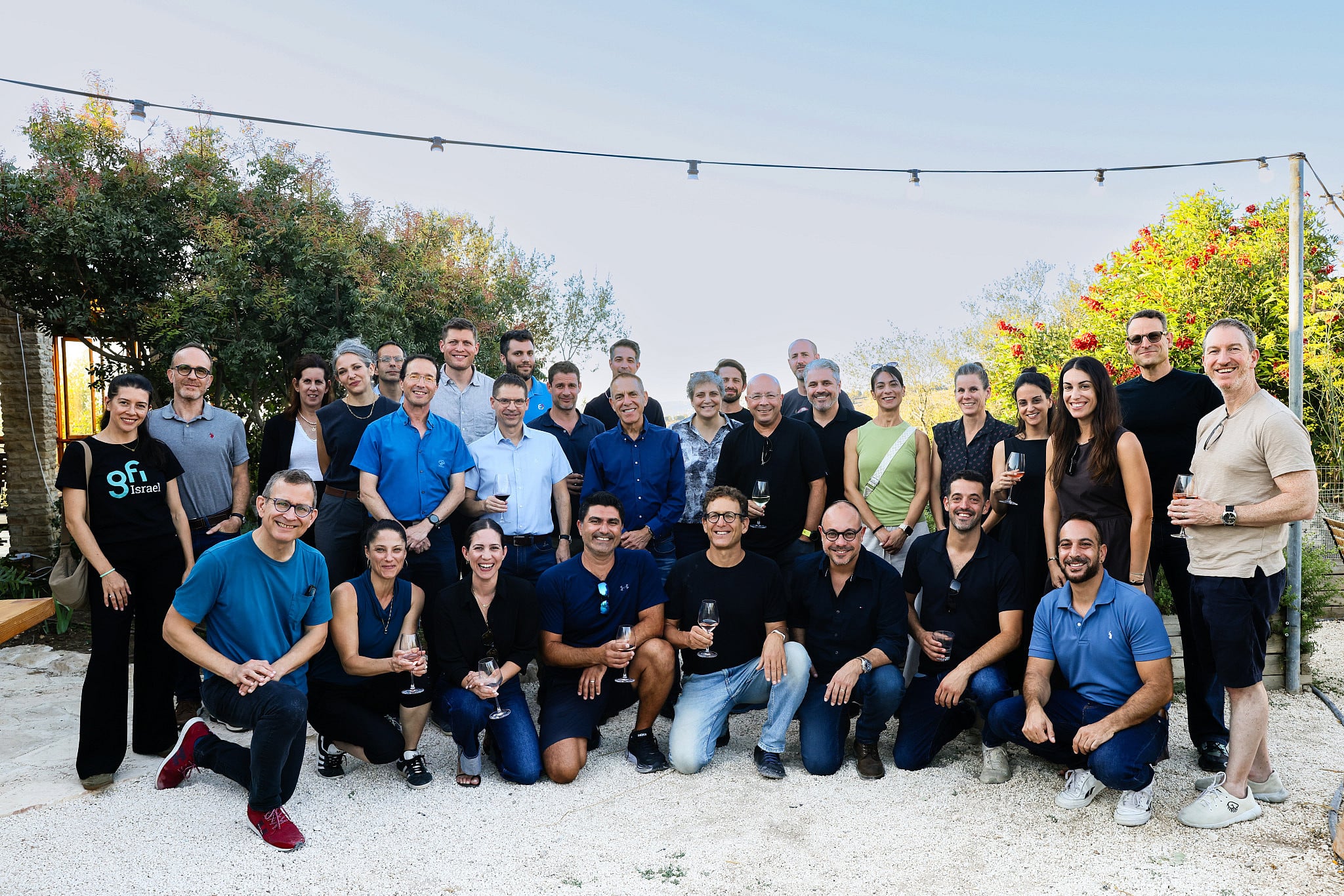
Together, these strategies aim to build a resilient, climate-smart protein future that reduces emissions, conserves resources, and still gives people the foods they love.
Israel’s Leadership in Alternative Proteins
One of the movement’s most dynamic leaders is Nir Goldstein, CEO and founder of GFI Israel. Goldstein is one of the key figures in the global foodtech revolution and has played an instrumental role in making Israel a powerhouse in alternative protein innovation.
• Israel now ranks second worldwide, behind only the United States, in private investment in alternative proteins, with over 100 startups and $1.5 billion raised in the past decade.
• GFI Israel has partnered with the Technion and Hebrew University to establish the world’s first dedicated alternative-protein research centers, and has co-funded 15 academic studies with Israel’s Ministry of Science.
• Goldstein also advises the Israeli government, the World Bank, and the World Economic Forum, helping shape policy on food security and sustainable innovation.
Israel’s experience shows how a small nation can play an outsized role in solving global challenges. By combining cutting-edge research, supportive policy, and entrepreneurial energy, it has built an ecosystem where climate-smart proteins can thrive.
Pushback and the Texas Ban
But the path forward is not without resistance. In the United States, the state of Texas recently passed a law banning the sale, manufacture, and even possession of cell-cultured meat for two years starting in September 2025. Proponents say it protects consumers and ranchers. Critics—including startups like Upside Foods and Wildtype, which have filed lawsuits—argue that it is unconstitutional and designed to shield the cattle industry from competition.
While Texas is just one state, the ban illustrates the broader tensions at play: powerful incumbent industries fear disruption, even when innovation promises environmental and public health benefits. These kinds of political and cultural battles could slow the very progress needed to stabilize our climate.
A Moral and Practical Imperative
The stakes are enormous. Alternative proteins are not just about consumer choice; they’re about whether we can feed billions of people without further destabilizing the planet. Every delay means more emissions, more risk of pandemics from factory farming, and more communities vulnerable to droughts, floods, and food insecurity.
Israel’s leadership, powered by innovators like Nir Goldstein and institutions like the Good Food Institute, offers a blueprint for hope. But to succeed globally, governments will need to follow Israel’s lead: funding research, enacting fair policy, and helping farmers and ranchers adapt.
This is not about ending meat. It’s about producing the protein people need in ways that are sustainable, resilient, and climate-friendly. For the sake of our planet, our health, and our children’s future, we must make this shift before it’s too late.

Related Topics