TRAVEL FLASH TIPS ON THE TIMES OF ISRAEL
Nobu – An Empire Beyond Sushi
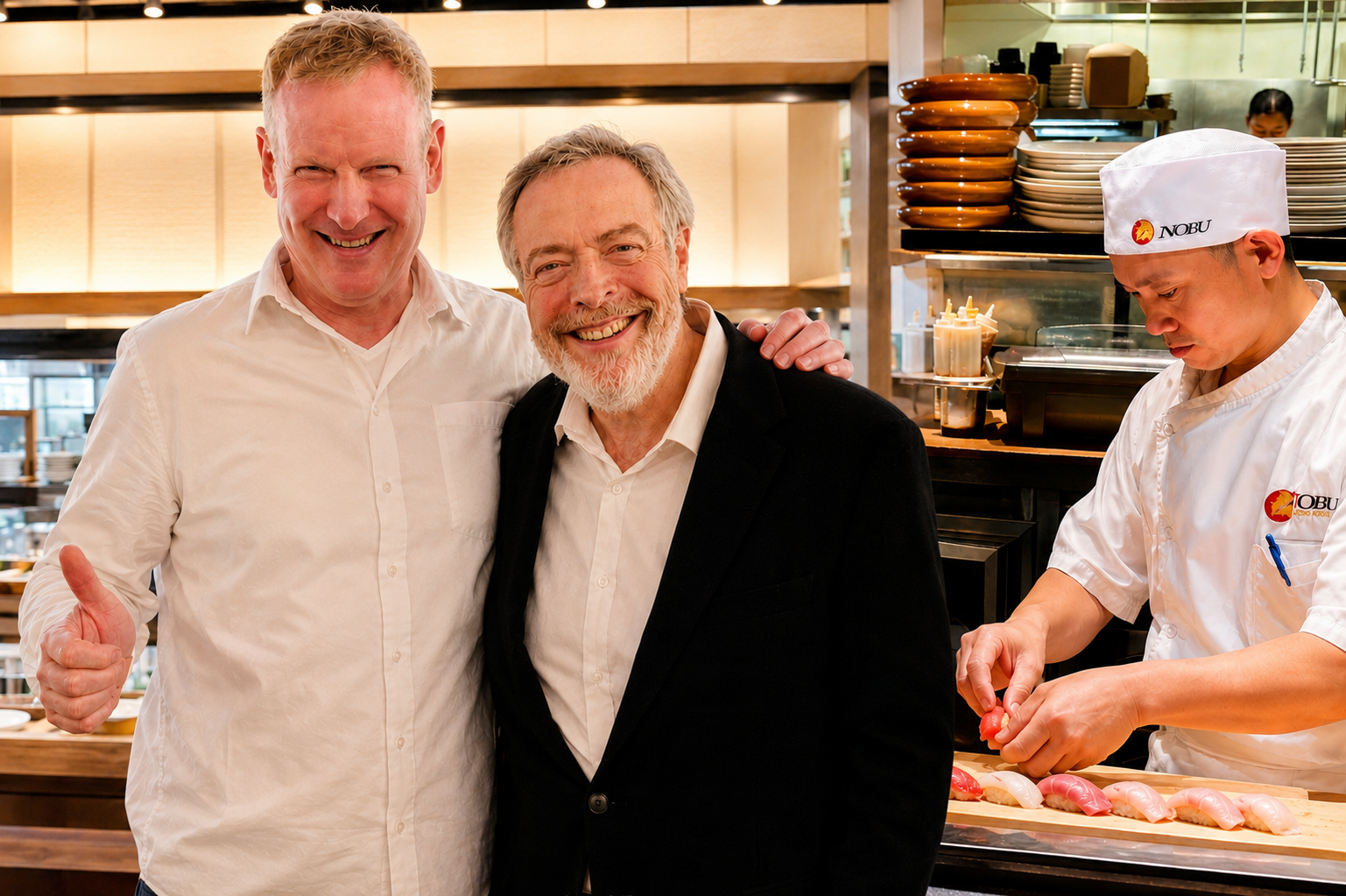
With Drew Nieporent in Nobu downtown Manhattan (photo: Liat Valter)
A visit to New York also means gastronomy. For me, among the city’s endless attractions, it became a walk down memory lane to meet Drew Nieporent – one of New York’s most influential restaurateurs and a pioneer of modern hospitality.
Nieporent, who comes from a Jewish family background, became one of the defining figures of New York dining. He founded the Myriad Restaurant Group and helped create some of the city’s most celebrated culinary destinations, including Montrachet, Tribeca Grill, Nobu New York, Nobu Fifty Seven, Rubicon, Corton, Bâtard, Crush, Next Door Nobu, Centrico, Mai House, Flo Fab, and Greenwich Grill.
My own connection with him goes back nearly thirty years. Back then, Hilton Tel Aviv was searching for a fresh culinary direction for its fine dining venue at that time, The King Solomon. David Cohen, the hotel’s visionary Food & Beverage executive at the time, (and later the mythological General Manager of the David Intercontinental Tel Aviv) initiated a partnership with Nieporent to periodically bring some of his celebrated chefs to Tel Aviv.
I happened to be the marketing and PR person behind the project, leading Israel’s top food writers through a series of culinary experiences in Manhattan and helping tell those stories back home. During those years I occasionally crossed paths with Nieporent. The Manhattan-Tel Aviv collaboration lasted only three years and eventually faded. I had not seen him since.
Our reunion took place at Nobu. Not the original Nobu of the 1990s .An intimate, slightly underground space that felt like an insider’s discovery. Guests came primarily for Chef Nobu Matsuhisa’s extraordinary cuisine – Japanese precision infused with Peruvian influence – while celebrities, artists and New Yorkers blended together with surprisingly little spectacle.
That shrine no longer operates. Instead, we met at Nobu Downtown at 195 Broadway, which opened in 2017. A restaurant that feels grander, more architectural and unmistakably global. After more than two decades, Nobu evolved from a singular dining destination into a complete lifestyle expression – soaring ceilings, larger spaces and design that celebrates the Nobu universe rather than one chef alone. Of the rich portfolio, Nobu restaurants in Manhattan still stand, together with his Crush Wine & Spirits boutique wine shop.
At first glance I was not entirely sure it was Nieporent walking towards me. He recognized me first. Today, Drew Nieporent looks dramatically slimmer than during Nobu’s early years. After once reaching approximately 152 kilograms (335 pounds), he lost more than 45 kilograms in a remarkable personal transformation. No small achievement for someone whose entire life revolves around food and hospitality.
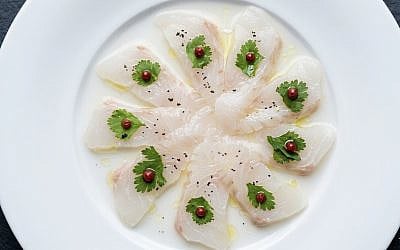
For hours we enjoyed some of Nobu’s iconic dishes: Yellowtail Sashimi with Jalapeño, Whitefish Tiradito, Sashimi Salad with Matsuhisa Dressing and an assorted sushi selection. But the real pleasure was listening to the story behind the empire.
According to Nieporent, his more famous longtime partner, Robert De Niro – who frequently dined at Montrachet restaurant, because he lived nearby and that is how the two met – was the person who introduced him to Nobu Matsuhisa. The famous actor conceived the idea of bringing the chef to New York. Nieporent’s contribution, he says, “was turning that vision into a functioning restaurant. I brought the hospitality expertise, the operational experience of New York, the ability to build teams, and the know-how to execute,” he recalls.
In his words, Nobu’s genius was the food, De Niro created fame, the connection and long-term backing and he built the framework that allowed the concept to scale beyond a single restaurant.
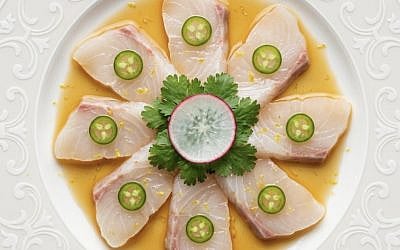
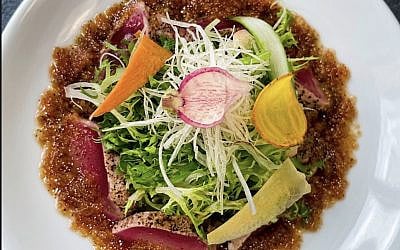
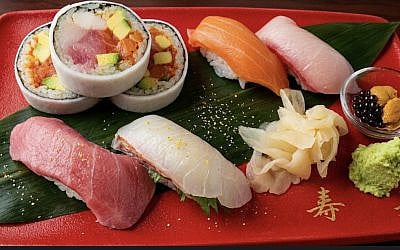
The leap into hotels came much later. As Nobu expanded globally, Nieporent has no operational involvement or ownership in the global Nobu Hotels division. The other partners realized guests wanted more than dinner. In 2013 they launched Nobu Hotel Caesars Palace in Las Vegas, effectively placing a Nobu restaurant at the center of a luxury hotel experience.
The idea was simple: Don’t just eat at Nobu. Sleep inside the brand. From there, Nobu evolved into a global hospitality platform combining Japanese aesthetics, personalized service and restaurants as the emotional center of each property. Today, Nobu includes around 46 hotels worldwide (18 hotels are currently open and 28 in development), alongside dozens of restaurants and branded residences.
My experience with the Nobu Warsaw hotel in Poland a few months ago was illuminating. Located in downtown Warsaw, the 115 rooms and suites hotel blends minimalist Japanese design with touches of Peruvian flair, creating a luxurious yet inviting atmosphere. The interiors are warm light woods, private dining options, a sushi bar, and a vibrant main restaurant named … Nobu.
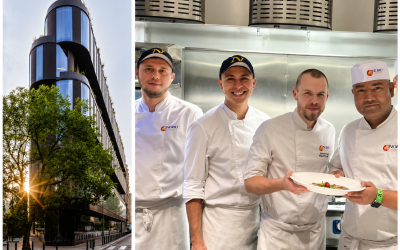
Quite extraordinary considering it all began with one chef, one loyal customer – De Niro – and one restaurateur who understood how to turn inspiration into an operating business.
Older now, in his early 70s, Nieporent seemed relaxed and quietly proud of his life’s creation. As we said goodbye after several memorable hours, I could not help thinking that somewhere beneath the calm surface, the famous restaurateur still misses new adventures. Who knows. Perhaps they are still ahead.
Related Topics