
Finding Courage in the Vulnerability of Sukkot
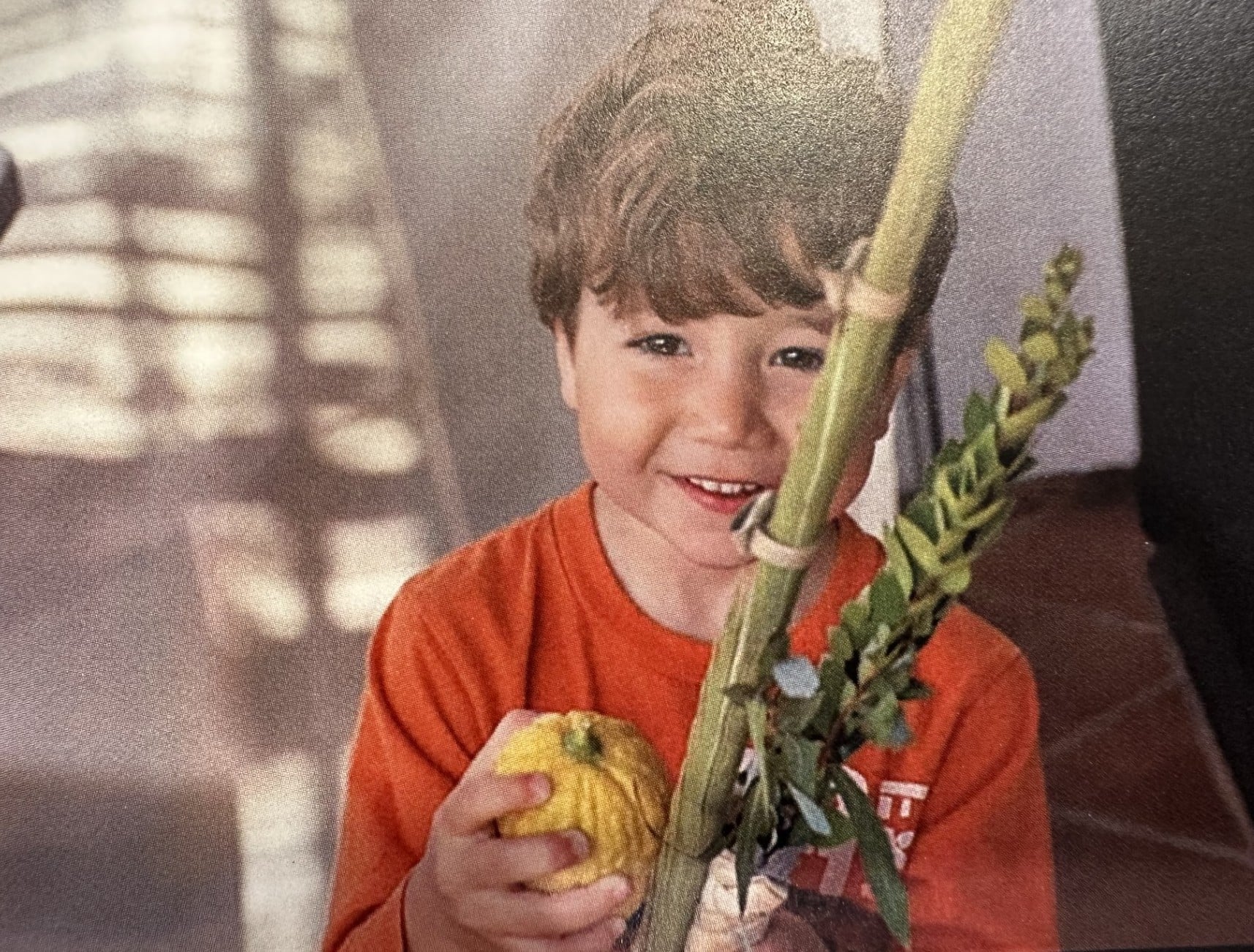
Two years after October 7th shattered us, this season of Jewish holidays feels exhausting. Sukkot helps us regenerate joy and courage.
I mastered a new skill this holiday season: darting my eyes in multiple directions, while staying entirely focused.
Was I birding? Or playing a video game? Or people-watching on Rodeo Drive?
No. I was learning to monitor the security cameras as a newly certified security volunteer at my synagogue. Of the dozens of camera views, I was assigned to check for anything suspicious around the perimeter, which I did dutifully for a 30-minute slot each day, while professional armed guards performed their duties all around the property.
Fortunately, nothing unusual came on my radar. I greeted people, provided directions, and told parents where I had last seen their children playing.
My Jewish brothers and sisters in Manchester, England, were not as lucky.
There is a sense of relief that usually comes at the end of Yom Kippur, that did not come this year.
I remember that sense of relief from the Yom Kippur days of my childhood, standing beside my mother in synagogue. She would gently put her arm around me and squeeze my shoulder as the final shofar blast filled the sanctuary. I remember the feeling of relief washing over me: we could finally eat! I also remember the feeling of relief washing over my mother, over both of us, that we had made it through the existential test of God’s judgment. I thought it was strange that she was so relieved, as if our still standing there as three stars emerged in the sky meant that we had, in fact, been sealed in the Book of Life. What I never knew, but now understand as an adult, was that she was probably relieved that my father of blessed memory, who was battling real health challenges that I didn’t know about at the time, had made it through another year, had stood on the bimah as our rabbi another year. The sense of relief was palpable, even if I didn’t know what it was really about.
This year, as the shofar blasted, I hugged my own daughter, holding onto her innocence, knowing that there is so much in this world that dares to threaten her. I pray that I can protect her.
This year, when Yom Kippur ended, we rushed home to check our phones, having been cellphone-free for 25 hours. At the Western edge of the Jewish world, we caught up with the tragedy in Manchester: Jewish worshippers rammed and stabbed and slain in their synagogue. Worshippers in other communities ushered home with police protection. The commentary? The undercurrent of brutal anti-Semitism in Britian has been bubbling like a cauldron, not beneath the surface, but on the streets of London. Jewish schoolchildren have been bullied on public buses. No one is surprised this happened. And no one is surprised that no one is surprised that it happened. There was no relief at the end of Yom Kippur.
This year, I rushed home to see if my son, who is about to complete advanced training in the IDF, was deployed as planned. No, turns out plans changed. Relief, however temporary. It is only a matter of weeks before he is entrusted with protecting Israelis from the very kinds of attacks that just ravaged a synagogue in Manchester (several attempts were intercepted or thwarted in the last few days along various roads in Israel). My son has volunteered for the IDF. The least I can do is watch the cameras in Beverly Hills.
This year, I rushed home to see if there was any news about the possibility of “peace” – knowing that whatever that means is not peace, but at least a step toward pausing the madness, the suffering, the anguish. The fate of the hostages continues to weigh heavily as we pray for their return home. As I write this on the day after Yom Kippur, no relief on that front, yet. Only the emotional tightrope of inching toward whatever headline comes next, and trying to interpret what it means.
With the second anniversary of October 7th haunting us, what do we do when Yom Kippur ends without a sigh of relief? How do we walk forward bravely, not knowing what tomorrow will bring?
This year, coming out of Yom Kippur, we might feel like we are still in a state of awe, caught in the headlights of a vast and complex world that we don’t understand. That awe – what we call “yirah” in Jewish tradition – is the source of our courage. We hold onto the possibility that the “sukkat shalom,” God’s canopy of peace, will spread in the coming days. The fragile sukkah is our spiritual protection as we wander through the unknown.
In easy times, when the worst-case scenario on Sukkot was rain, the sukkah reminded us to be humble and grateful, and not to take our protection for granted. Now that we live in a world where Jewish safety is threatened, the sukkah takes on new meaning. It is not just a booth for gathering and dwelling, but a reminder that our strength as a people vibrates through centuries of shofar blasts. We must not cower in fear but gather in joy.
My synagogue may have more security cameras than we have Jewish holidays (which says a lot about this moment in Jewish history) but like the cameras, each holiday provides a lens on how to live, practice, and pray. Sukkot invites us to embrace the inevitable uncertainty and carry the inspiration of the Ten Days of Awe into the new year, so that we may usher in the joy of resilience rather than be paralyzed by the brokenness.
How do we generate that joy? Joy is preserved when we put our arms around our children and look out for the best interest of everyone else’s. Joy is amplified when we gather in shared purpose. Joy is spread through stories, music, recipes. With renewed commitment to do good, we can endeavor to restore the light of learning and wisdom, of chesed, compassion and courage.
Sukkot comes to give us a pep talk when we are feeling unsure and unsteady. “Remember that pit in your stomach the other day on Yom Kippur? It wasn’t just hunger. It was real. And it’s normal. Keep going. You can do this. Choose awe over fear. Choose life. You have a tradition and a community to lean on.”
Jewish holidays are the stage upon which we enact our spiritual resistance. May we find courage in the vulnerability of Sukkot, knowing that our tradition invites us to face fear head on. We have been here before, and we can generate spiritual relief.