Flight 1073 Heroes Didn’t Ask Who Anyone Votes For
Wednesday was one of those days that you won’t forget. One of those moments you remember for the rest of your life.
We just passed the 25th anniversary of 9/11. I remember September 11, 2001 well. I was 11 years old. I remember walking into my parents’ room just before seven in the morning Pacific time, sensing something was off because my dad usually leaves for work at 5:30 am. I asked what was wrong. My dad said something horrible had happened, and I looked at the TV to see the first tower crashing down.
Which is why I knew something was up when my dad called me on Wednesday, way past his usual bedtime, to tell me that an airplane had likely been hijacked.
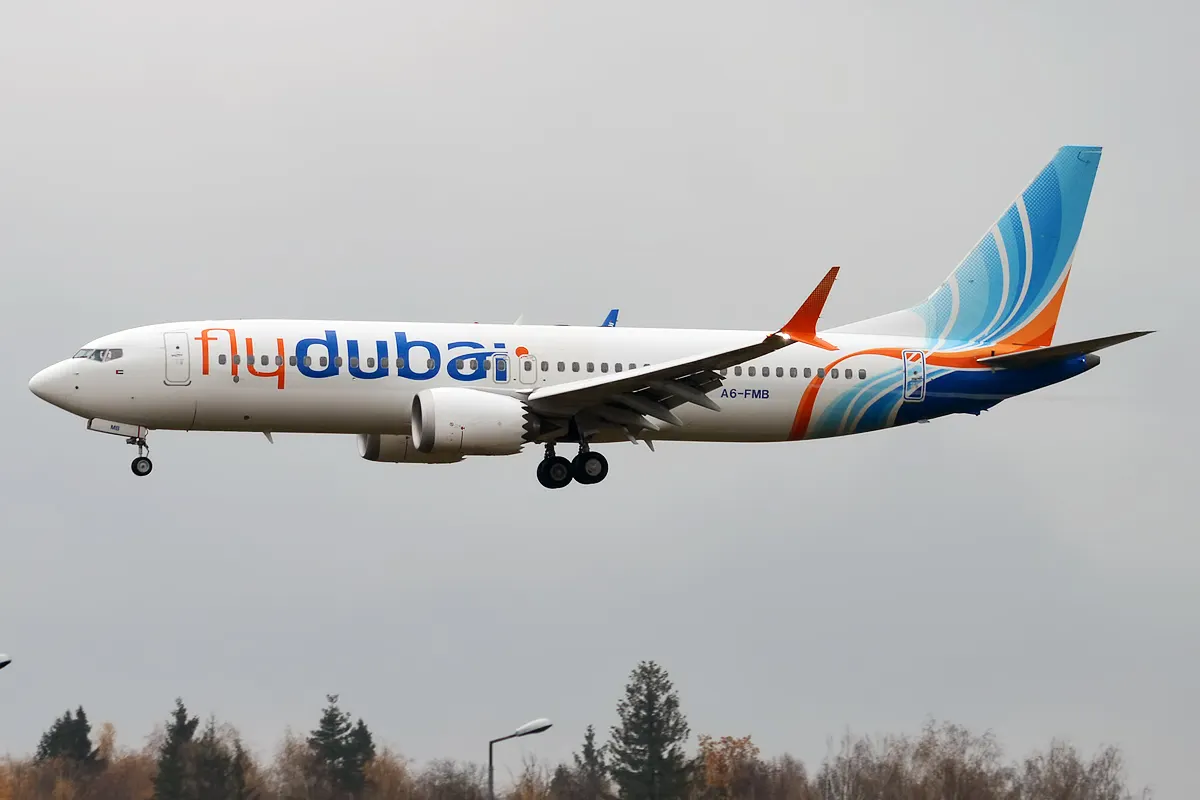
You’ve all likely heard the story: the heroism of the Israeli passengers, joined by a FlyDubai pilot, subduing the would-be hijacker—the flight’s first officer—who was trying to crash the plane. The captain, Smit Machchhar, stabbed and badly injured, mustered the strength to open the cockpit door to allow the passengers to fight back.
The whole affair evoked the story of United Airlines Flight 93, the fourth plane to crash on 9/11, and the only one to not reach its target. The passengers on that plane revolted, but it was too late, and while it did not strike a landmark (likely the US Capitol), all aboard were killed.
After 9/11, cockpit doors across the aviation industry became essentially impenetrable. If the wounded pilot hadn’t been able to unlock the door, the fate of Flight 1073 could have been very different.
They could have ended up like the passengers on the four planes that the 9/11 hijackers turned into missiles. We would have known their names, and mourned them, and only ever guessed at what they said to each other before they acted. They could have become like Todd Beamer, the United 93 passenger who inspired his fellow passengers with two words—“let’s roll”—or Aner Shapira, the fallen soldier who died throwing grenades back at terrorists on October 7.
Thanks to quick thinking, resilience, and heroism, Flight 1073 will be a different sort of memory: the uplifting kind; the story with a cinematic happy ending. We’ll remember Tali Manes, who took her young daughter to the bathroom near the front of the plane, heard fighting, saw blood, and roused her husband to action. Tali had no warning that she was about to be tested, but she did her job, and her husband Tzvika did his.
I write a lot about Israeli politics. I could write about Netanyahu’s response, how he rushed to the airport after avoiding the Gaza border communities for years. I could write about how some Western media coverage downplayed the seriousness of the hijacking attempt. Iranian state-linked media went further, claiming within hours that Israel itself was plotting the attack, while thousands of posts on X blamed Israel or Jews, as if a captain stabbed and bleeding in a cockpit were a prop.
But I don’t think those stories deserve our attention this week; they can wait. I don’t think that Tali, Tzvika, or the three other Israeli heroes, Yaniv Hayun, Shota Musaev, and Asaf Rajuan, asked one another whom they would be voting for on October 27, or whether they’d be voting at all, before taking action. I doubt that the pilot, Smit Machchhar, who’s Indian, was thinking about Middle Eastern geopolitics or Israel’s government when, battered and bleeding, he saved a plane full of Israelis.
A plumber. A dentist. Ordinary people who decided to save lives.
In fact, the only one thinking about ideology was the plane’s first officer, the attacker. Everything we know so far points to terrorism. He tried to crash the plane with more than a hundred innocent people aboard.
The foreign press will do what the foreign press does. If the airline and the foreign press want to call what could have been a 9/11-scale terrorist attack an “altercation,” fine. Bibi Netanyahu will do what Bibi Netanyahu does too. If he wants to use the extraordinary courage of the passengers on Flight 1073 to score cheap political points, so be it. In a few years, we won’t remember these petty insults and misleading headlines. We’ll remember the heroes, and we’ll look back with pride and a smile.
Originally published in The Middle Ground.