Following the Debate: Reaffirming Zionism’s Place in Jewish Life
In the days since publishing my The Times of Israel essay, “6 JTS seniors oppose President Herzog speaking at graduation. It’s 6 too many,” I have been listening carefully to the wide range of responses it has generated, including serious critiques like a very thoughtful one in The Forward by Professor Noam Pianko. I am grateful for the depth of engagement. The intensity of the conversation makes clear that this is not a marginal question. It touches the heart of how we understand Jewish identity, continuity, and responsibility.
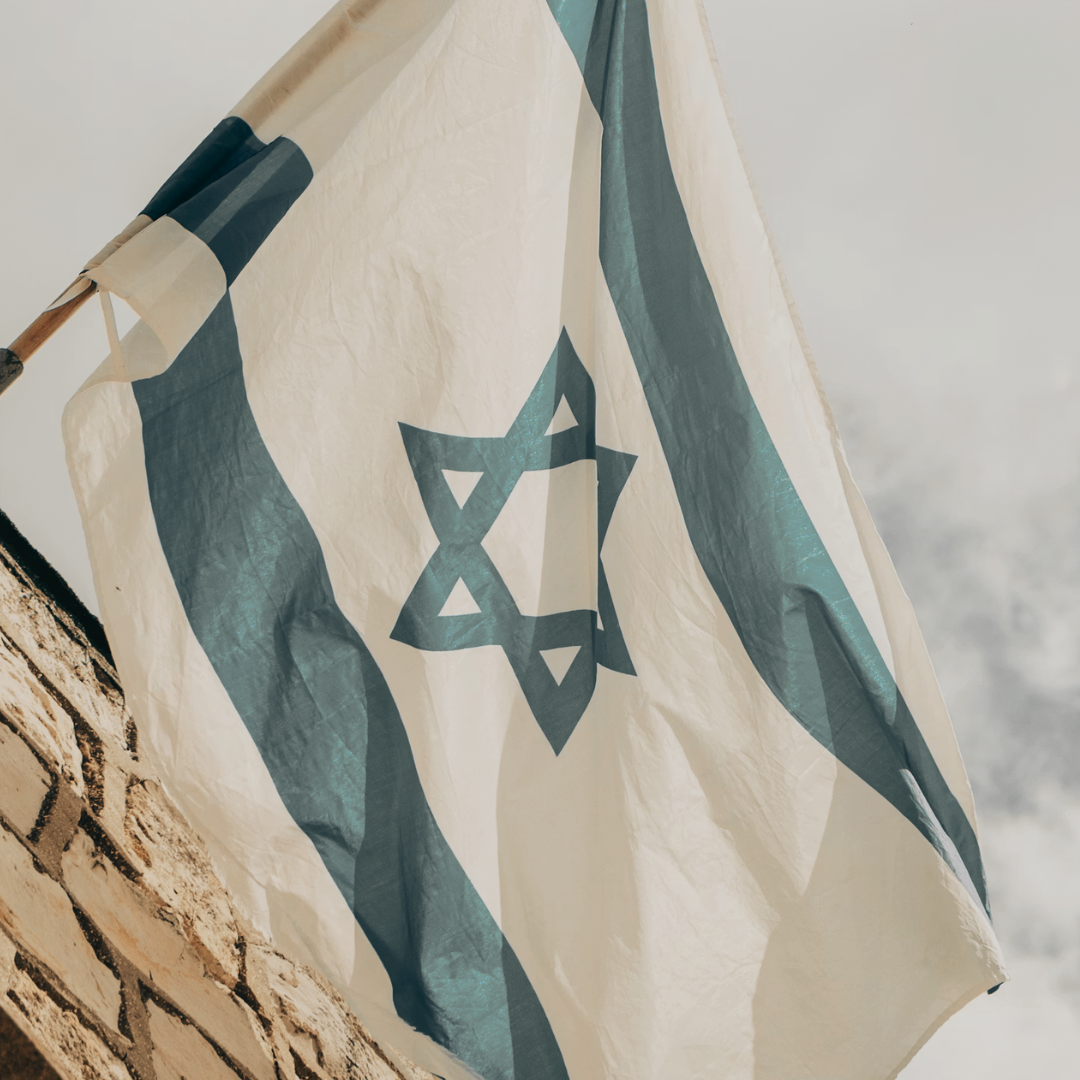
I have also heard from many who felt strengthened by my words, who described with clarity their commitment to Zionism as a core expression of Judaism. For them, Zionism is not a late political add on. It is the contemporary articulation of an ancient Jewish orientation toward peoplehood, land, memory, and destiny. Jewish liturgy, law, and narrative are saturated with a longing for return, restoration, and collective life in the Land of Israel. Zionism gave that enduring yearning a modern, actionable language. To detach Jewish identity from that trajectory is not a neutral move. It is a rupture.
I want to be clear about what I was and was not arguing. I was not denying that there are Jews who struggle with or reject Zionism. Nor was I calling for their exclusion as people. Our community includes real pain, moral wrestling, and generational difference, especially among students who are navigating immense social and political pressures. That reality deserves care and serious attention.
But care does not require conceptual ambiguity. My argument is that Zionism stands at the center of normative Jewish life because it reflects the collective reconstitution of the Jewish people in history. It affirms Jewish agency, Jewish safety, and Jewish continuity. To position antizionism as an equally valid or representative expression of Judaism is to misidentify the core of the tradition.
Some experience this kind of clarity as exclusionary. I understand why. Yet a community that cannot name its foundational commitments cannot sustain itself. Inclusion cannot mean the flattening of all ideas into equivalence. It must coexist with the articulation of what defines us.
This moment calls for moral seriousness, intellectual honesty, and pastoral sensitivity. I remain committed to all three, without retreating from the conviction that Zionism is a natural and necessary expression of Jewish identity in our time.