
Connecting the dots behind today’s headlines—truth, nuance, and context in every line.
Food Fight in a War Zone
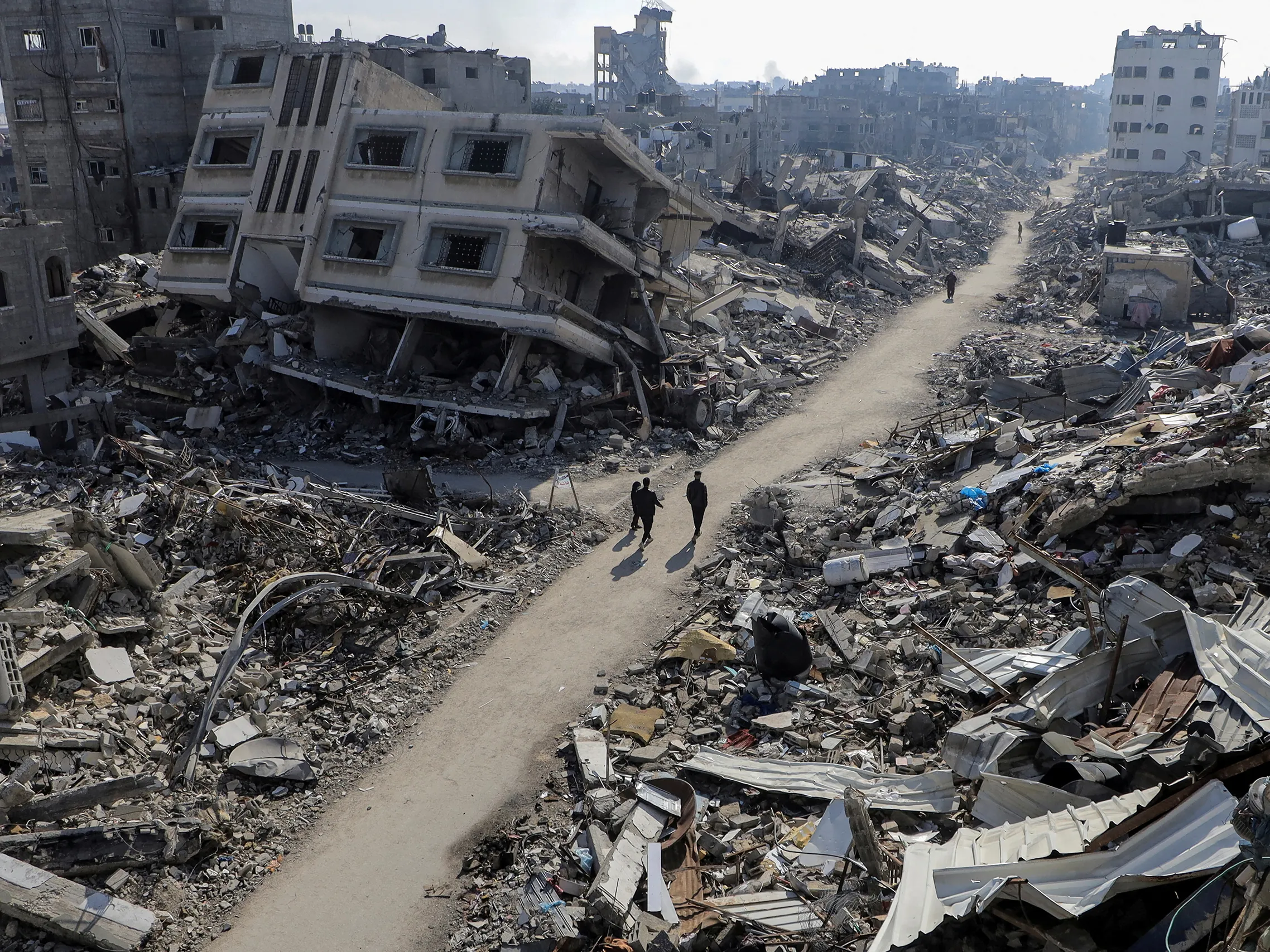
(via X)
Humanitarian relief is no place for euphemism. In Gaza, aid is ammunition: whoever controls the calories controls the conflict. That blunt truth — ignored by arm-chair idealists and exploited by gun-toting realists — has turned a noble enterprise into a cynical scrum.
Enter the Gaza Humanitarian Foundation, a grand-sounding contraption hatched this spring by Washington and Jerusalem to bypass Hamas’s predatory tax collectors. Its theory of victory? Shift the supply chain from lumbering truck convoys to out-of-town pickup hubs, where individual families could collect pre-packed rations. Fewer pallets, more packages; fewer hijack points, more dignity. A clever concept, born of good intentions and PowerPoint. On the ground it collided with two immovable facts: Gaza’s war-shattered road map and a populace too hungry, too traumatized, and too wary of sniper alleys to march miles for a sack of flour.
The result was predictable. Crowds converged, order collapsed, gunfire crackled, and the world saw the grisly footage: starving civilians racing for aid, then scattering as shots rang out. Humanitarian do-no-harm became humanitarian duck-and-cover. Worse, the Foundation deployed only in Gaza’s south, leaving the north—already battered and under-served—to fester. A scheme billed as “de-Hamas-ization” of aid wound up funneling desperation straight into the terror group’s propaganda mill.
Critics blame Israel for the chaos, noting that in March it corked the Rafah crossing and slashed truck quotas to squeeze Hamas back to a hostage deal. Jerusalem replies that 42 days of cease-fire in January pumped enough food into Gaza to feed everyone—if only the goods had not been looted, hoarded, or sold at black-market mark-ups. Both claims contain shards of truth, but neither nourishes the empty stomachs now haunting every television screen.
So what to do? First, drop the illusion that any single pipeline, pier, or pop-up NGO can pacify this humanitarian free-for-all. Gaza needs redundancy, not exclusivity. Convoys, coastal barges, community kitchens, and yes, air-drops—deploy them all, simultaneously and incessantly. Oversupply is the best disinfectant for looters: flour loses its resale glamour when every tent already has a bag.
Second, vet every distribution partner with the rigor of an airport pat-down, then publish the list. Transparency douses conspiracy; sunlight starves diversion. Israel possesses the intelligence, the U.N. the databases, the Gulf donors the leverage. Use them in concert.
Third, couple calories with clinics. Severe malnutrition is not cured by rice alone. Field hospitals—staffed by neutral medics, stocked with Israeli-approved oxygen concentrators—must accompany every food corridor. Feed the body, then treat it.
Finally, quit the blame ping-pong. Hamas engineered civilian misery to barter for statehood; the world must refuse the bargain. But Jerusalem, too, must square its security doctrine with moral optics. “Let them stock up” is not a strategy when tents have no kitchens and grandmothers no shopping carts.
Clarity begins with calling things by their right names. Gaza today is neither a siege nor a charity drive; it is a contested logistics zone where ethics and tactics intersect. Feed it relentlessly, monitor it ruthlessly, and remember the cardinal rule of food fights: the innocent are the first to go hungry—and the last who should.
Related Topics
Related Posts