Forgiveness
Nelson Mandela, who endured 27 years of unjustified imprisonment, is a model of forgiveness. He spoke about it eloquently and, more importantly, he made it a tenet of his life. One of the powerful messages he shared on this topic was “We must strive to be moved by a generosity of spirit that will enable us to outgrow the hatred and conflicts of the past.” Equally powerfully, he wrote “Forgiveness liberates the soul.”
In our Jewish tradition, we think about forgiveness at this time of year. During the days between Rosh Hashanah and Yom Kippur, there are those who will reach out and look for a sort of blanket forgiveness, “if I have done anything to hurt you …” But that is not real atonement, nor is it real forgiveness.
Real forgiveness is much harder to come by. There is no question that forgiving someone is good for us, for our emotional, and even our physical, wellbeing. But it is not always easy to achieve. We may still feel the pain that the person’s action caused. We may feel that the individual who hurt us has not tried to repair the situation and has expressed no remorse. How do we forgive someone who seems uncaring about what they have done to us? And, we wonder, why should we try to forgive someone who does not deserve to be forgiven?
Letting go of hurt, anger, offense is challenging. It is a struggle that some decide not worth the effort. They can replay the tape of each interaction that upset them, and they can do so over and over. Why even make the attempt?
The truth is that the act or situation that took place will still be there. Forgiving does not erase it from your memory, nor does it rewrite history. But when we make an effort to forgive, we make a difference for ourselves. We let go of some of the stress and anxiety we’ve been holding, and we make space in our life for more positive emotions and relationships. Letting go may improve our sleep, lower our blood pressure and improve our own sense of self.
Whether you truly forgive or not, the key is to stop dwelling on the pain and move beyond it. It requires effort and there may be instances where it requires professional help. But the effort is worth the result. Visualize letting go of the situation, imagine pushing it away from your thoughts or deciding to be “above” the person or situation. All of these techniques, and more, can help you to move forward.
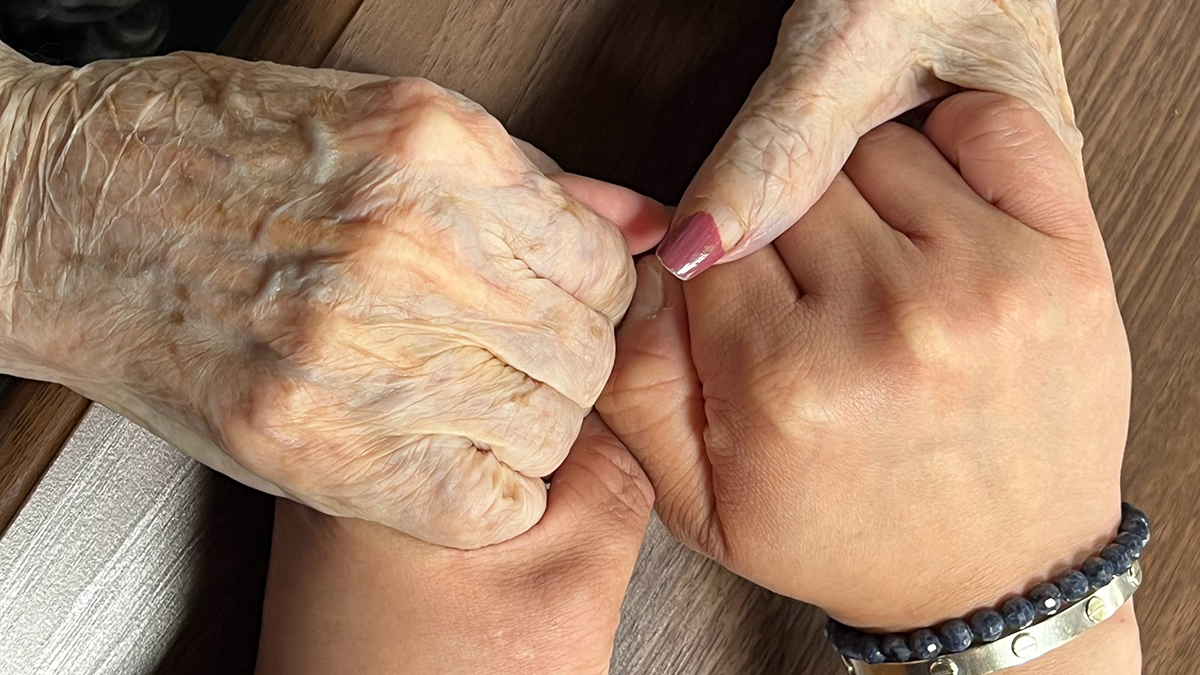
In our world of older adult care, how often we see families still burdened by events of the past. Maybe there were words said, or actions taken that were hurtful and harmful. If we hold onto that anger and resentment, we will miss the opportunity to reconnect with an elder. We will lose the chance to find peace and closure. Ultimately, it is not the elder whose life is impacted by this but rather the family member. And, as we know, life is fleeing and finite, while regrets can endure forever.
You may be a person who remembers every negative word and interaction, every slight and every hurt. Forgiveness is not the process of making those disappear. It is that you enable yourself to let go, not deny what has happened but no longer attach the emotion and the stress to the situation. Yes, it happened. Yes, it was wrong (hurtful, painful, insulting) and I am choosing to release the emotions, not for the wrongdoer but for me.