Freedom of Speech Deep in the Soul
As I perused – occasionally with wonder – the Israeli media’s plethora of analyses about the US as it celebrated 250 years of independence, I was thrust back decades to my NYC childhood. It was there, at the public school I attended, that I was instilled with what is truly important in America: the rights that citizens are guaranteed under the First Amendment to the Constitution, including freedom of speech and the press.
This historical fact has profound significance in the present for Israelis as well. Having said that, it’s my impression that many of us have yet to internalize the lesson.
In comparison, the late Moshe Negbi was far from apathetic to the issue. That comes through clearly from the media expert’s monumental Hebrew-language book Freedom of the Journalist and Freedom of the Press: Media Law and Ethics, which I’m currently reading quite diligently. My hope is that his work will help me close knowledge gaps formed while I was too busy with other things during my four-decade career as a diplomat (which often included activities vis-a-vis the media – I’m fully aware of the irony).
To the best of my understanding, Negbi was convinced that the absence of a formal anchor in Israeli law for the freedom of speech and the press doomed these rights to a problematic over-dependence on the political climate and the Supreme Court’s composition.
Apropos: I have no idea how Negbi, who passed away in 2018, viewed Justice Hanan Melcer, who served on the Supreme Court until 2021. It’s entirely possible that he’d be satisfied with him in his capacity as president of the Israeli Press Council (since the year of his retirement). This assumption is reasonable in view of Melcer’s recent public comments.
Take, for example, the interview he gave in late June at Reichman University’s 2026 Herzliya Conference. During that encounter, the Justice pointed to two developments he believes are liable to threaten freedom of the press here: legislative initiatives and the elections campaign. He gave the status of freedom of the press in Israel today a passing grade – just barely.
While understandable why the issue of the future of freedom of speech and the press in Israel tends to focus on broadcast media legislation – not the only one relevant to this discourse, incidentally – it branches out into other directions, including: controversies between the Government and the Supreme Court (as demonstrated by the crisis surrounding the Second Authority for Television and Radio); the concentration of media control in the hands of a few; as well as physical violence against journalists (and their offices, as recently recurred at the Channel 12 News building).
The matter also goes beyond the future of Israel’s broadcast channels. While the differences between reportage and art are obvious, we shouldn’t ignore the potential impact of media reform on the documentary film world. These two cousins belong to the same family seeking to provide the public with credible information.
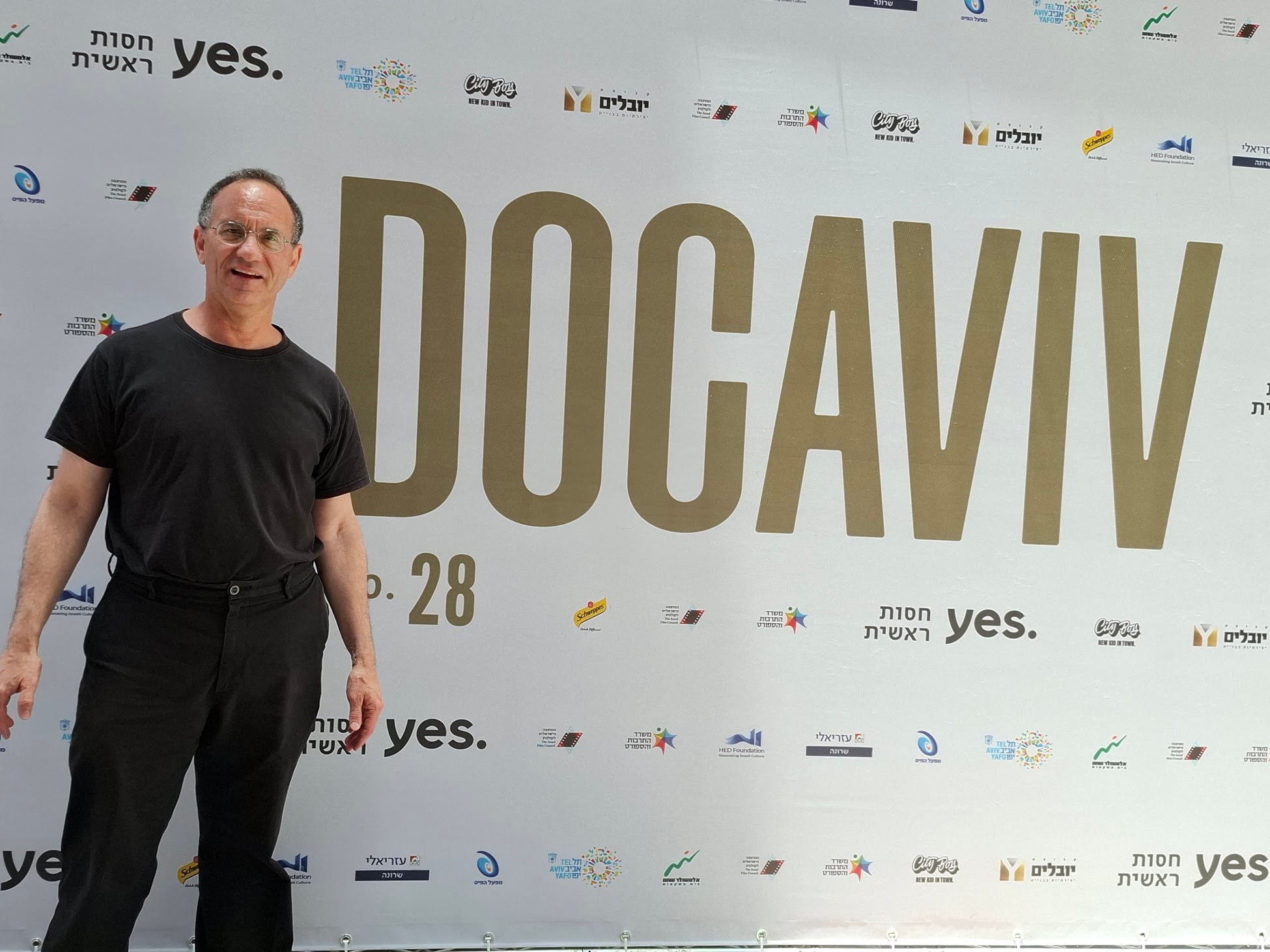
My thoughts on the subject deepened in early June as I attended Docaviv, Israel’s largest international documentary film festival. I went there to see “The Woman in White,” which depicts the meshing of the worlds of diplomacy and media – my two favorites – and was chosen as the event’s best movie. Leaving the venue, I asked myself: how much longer will we see such wonderful, locally produced cinema?
Two weeks later, the head of the Israeli Documentary Forum provided a pessimistic response. She emphasized during a radio interview that concomitant with media legislation, the Culture Ministry had already adopted its own relevant measures that have led to a 30 percent decline in support for documentary film making – a development which in her view threatens the future of that industry.
I write these lines with a genuine passion for freedom of speech and the press instilled in me as a child more than half a century ago in distant NYC. In my view, that is the true soul of America since gaining its independence 250 years ago.
It is my sincere hope that Israel’s children will also be infected by such passion. While there’s no way of knowing what the future holds, perhaps some encouragement can be drawn from the Education Ministry’s recent decision to approve inclusion of a workshop conducted by the “Shakuf” (“Transparent”) media non-profit in its electives program for the upcoming school year.
Nothing wrong with hope.