From a Soccer Field to a Symbol of Hope: Majdal Shams Two Years On
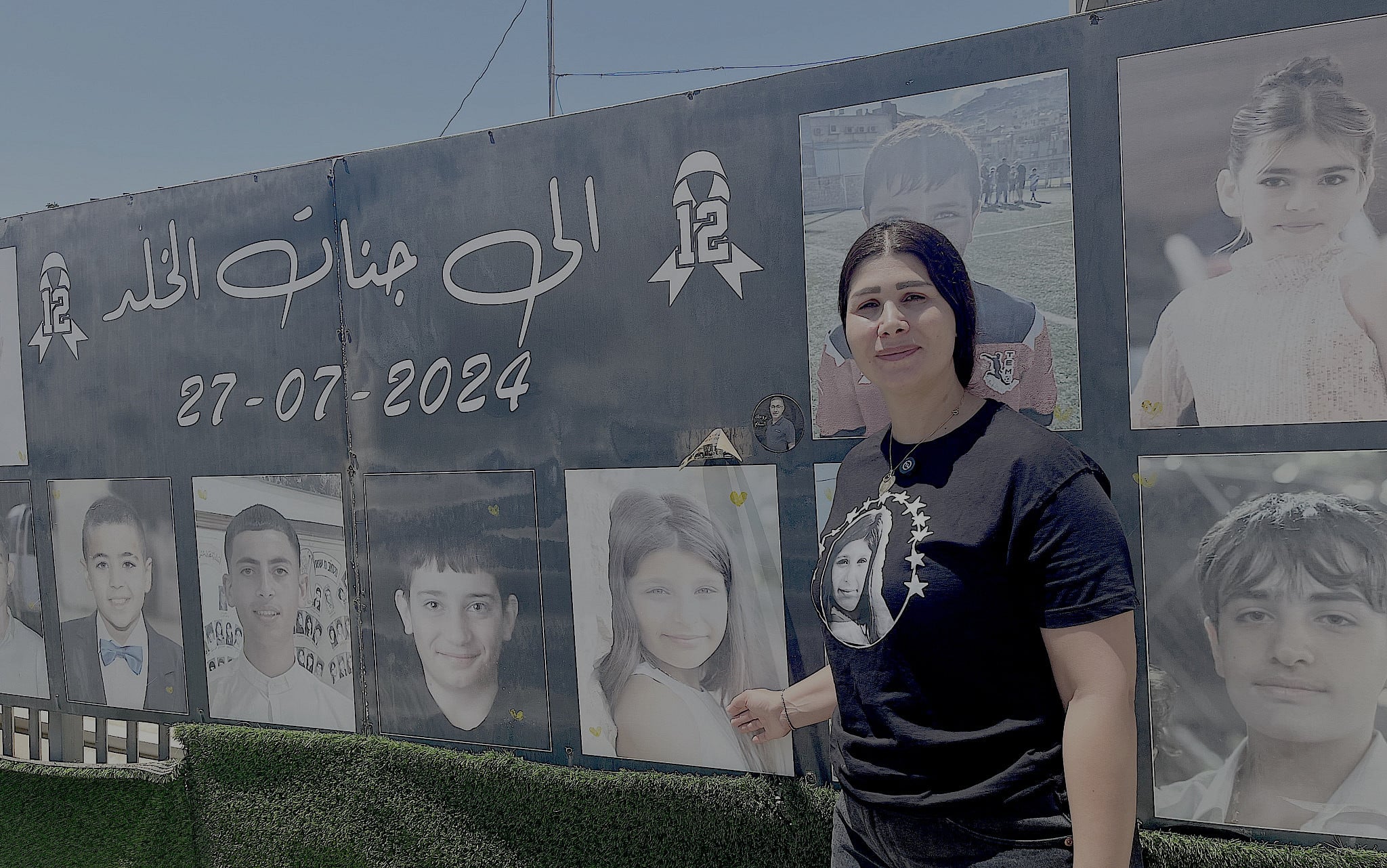
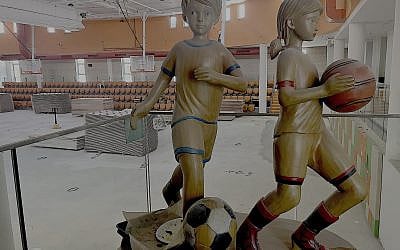
Exactly two years ago, on 27 July 2024, a rocket fired by Hezbollah struck a children’s soccer field in the Druze town of Majdal Shams in northern Israel, killing 12 children and teenagers. One of them was 11-year-old Alma Ayman Fakhr al-Din. Today, on the second anniversary of the attack, a new playing field is being inaugurated at the site — a quiet symbol of resilience and remembrance.
The Druze form an Arab ethnoreligious minority of approximately 150,000 people in Israel, concentrated mainly in the north. Their monotheistic faith, which emerged in the 11th century from Ismaili Shiism, is characterised by esoteric teachings, a belief in reincarnation, and strong communal bonds. Within Israel’s pre-1967 borders, the Druze community has long maintained close ties with the state. Many serve in the Israel Defense Forces and share a history of mutual support that dates back to the late 19th century and the 1948 war.
The roughly 20,000–25,000 Druze living in the Golan Heights — in towns such as Majdal Shams (the largest, with some 11,000–12,000 residents), Mas’ade, Buq’ata and Ein Qiniyye — came under Israeli control after the 1967 Six-Day War and the territory’s effective annexation in 1981. A significant portion continue to identify as Syrian, decline Israeli citizenship (though acceptance rates have risen in recent years), and maintain family connections across the border.
Since 8 October 2023, Hezbollah has fired thousands of rockets and drones at northern Israel, including the Golan. The area around Majdal Shams remained relatively quiet in the early months of the conflict, but attacks on nearby military positions intensified during the spring and summer of 2024.
The strike on 27 July was the deadliest against Druze civilians in the region in recent decades and Hezbollah’s single most lethal attack on northern Israel since the war began. Shortly after 6:18 p.m. that Saturday, dozens of children and teenagers were playing soccer on the field beside a playground. Warning sirens sounded, yet an Iranian-made Falaq-1 rocket, carrying a warhead of approximately 50–53 kilograms of explosives and launched from the Chebaa area of southern Lebanon, struck within seconds. There was no time to reach the nearby shelter. Twelve young people aged 10 to 16 were killed, among them Alma Ayman Fakhr al-Din; between 30 and 42 others were wounded, many seriously.
Hezbollah immediately denied responsibility, stating that it had targeted a military base or that the impact resulted from an Israeli interceptor. Israel, the United States and later UNIFIL assessments attributed the attack to the group.
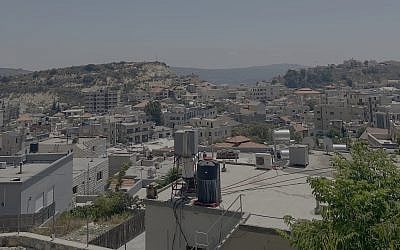
I had the opportunity to speak with Alma’s mother, Naela Fakhr al-Din. She described the moment with quiet clarity: she was attending a family wedding in a house overlooking Majdal Shams when the sirens sounded and the explosion followed almost instantly. She felt it, she said, “in her heart.” Alma, who spoke several languages, loved sport, had won medals and hoped one day to study at Harvard, was on the field. Her father, Ayman, later faced the task of gathering his daughter’s remains.
In the two years since, Naela has channelled her grief into public advocacy. She has shared Alma’s story and those of the other 11 children in international interviews (including with Sky News Australia), meetings with organisations, and visits of solidarity. She is active in the “12 Stars of Majdal Shams” association, founded by bereaved parents to honour their children’s memory, support local youth, promote education for peace, and ensure the events of that day are not forgotten.
Naela does not speak of revenge. Drawing on the Druze belief in reincarnation, she says Alma remains a light. After taking a year away from work to mourn with her family, she has returned to teaching mathematics. She emphasises that every child — Israeli, Palestinian or Lebanese — deserves to grow up in safety and peace. Her testimony is one of the reasons the world continues to remember Majdal Shams.
Today, as a new playing field opens in Majdal Shams, the community quietly chooses life, memory and hope — proving that even in the deepest pain, the soul endures. In Portuguese, Alma means soul, and the soul of the Druze community remains strong even in grief.
* * *
The visit to the Druze town of Majdal Shams took place at the invitation of the Embassy of Israel in Portugal, which brought a group of Portuguese activists and influencers to meet members of the Druze community and hear their accounts directly.