Impacting Tomorrow, Today
From Campus to Country: Building Israel’s Future in a New Academic Year
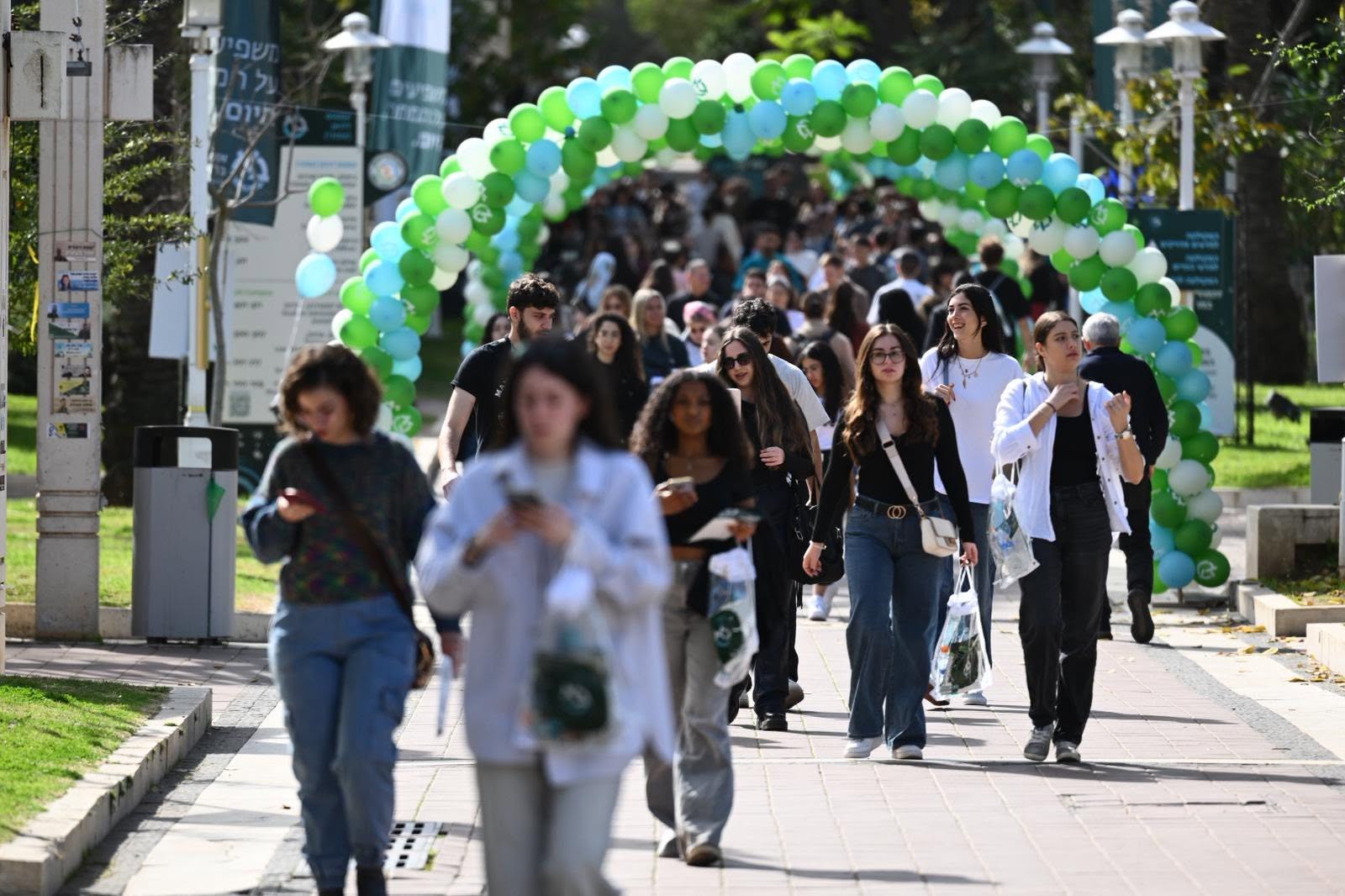
Courtesy of Bar-Ilan University
When students walk onto Bar-Ilan University’s campus this month, they will be carrying far more than backpacks. They will bring with them the weight of a year marked by war, reserve duty, loss, financial pressure, interrupted studies, and uncertainty about what comes next. Some will return directly from military service. Others have spent months worrying about family and friends or trying to keep their education on track while the world around them has changed.
But they will also arrive carrying something else: hope for their future and for the future of Israel.
At Bar-Ilan, we understand what our students are carrying with them. Our responsibility is not simply to welcome them back to the classroom. It is to give them the academic, financial, and emotional support they need to succeed—and the opportunity to once again focus on their ambitions, their careers, and the future they want to build.
That responsibility reflects a larger philosophy at Bar-Ilan. We don’t ask ourselves what Bar-Ilan needs. We are always asking: What does Israel need from Bar-Ilan?
Today, Israel needs talented engineers and scientists, doctors and healthcare professionals, educators, researchers, entrepreneurs, and leaders. It needs new technologies, stronger communities, better healthcare, groundbreaking research, and young people prepared to tackle challenges we cannot yet anticipate.
Our students understand this in a deeply personal way.
Guy, an engineering student and combat soldier, served 180 days in an infantry brigade during his first year at Bar-Ilan. Despite balancing military service with a demanding academic program, he remained on track and earned a place on the dean’s honor list.
“I want to develop as an engineer,” he told us. “I want it to be connected to something meaningful.”
Guy represents thousands of students who are returning to Israel’s universities not simply to resume an education that was interrupted, but with a renewed understanding of how their knowledge and talents can contribute to their country.
Bar-Ilan has learned alongside them. Over the past year, academic flexibility, financial assistance, tutoring, technological resources, psychological support, and individual guidance helped students continue their education under extraordinary circumstances. Those lessons are shaping how we approach the year ahead.
There will undoubtedly be more challenges. But as this academic year begins, I am struck not by what our students have endured, but by their determination to move forward.
They have already demonstrated their commitment to Israel.
Now it is our responsibility to match that commitment—to help them put down some of what they have been carrying, focus on the future, and give them the tools to build it.
Related Topics
Related Posts