From Forgotten Sheaves to Guitar Strings
This summer, with my wife’s persistent encouragement, I finally began learning to play the guitar — something I’ve wanted to do for years. It was time I graduated beyond my mastery of the ‘air-guitar.’ It has been humbling, exhilarating, and at times frustrating. There are moments where my fingers don’t cooperate, the chords buzz, and the rhythm collapses. And yet, I find I am smiling while stumbling. Each wrong note is not the end of the process, but the very thing that pushes me closer to playing something harmonious (or at least something not awful). Failure itself is what moves me a bit forward.
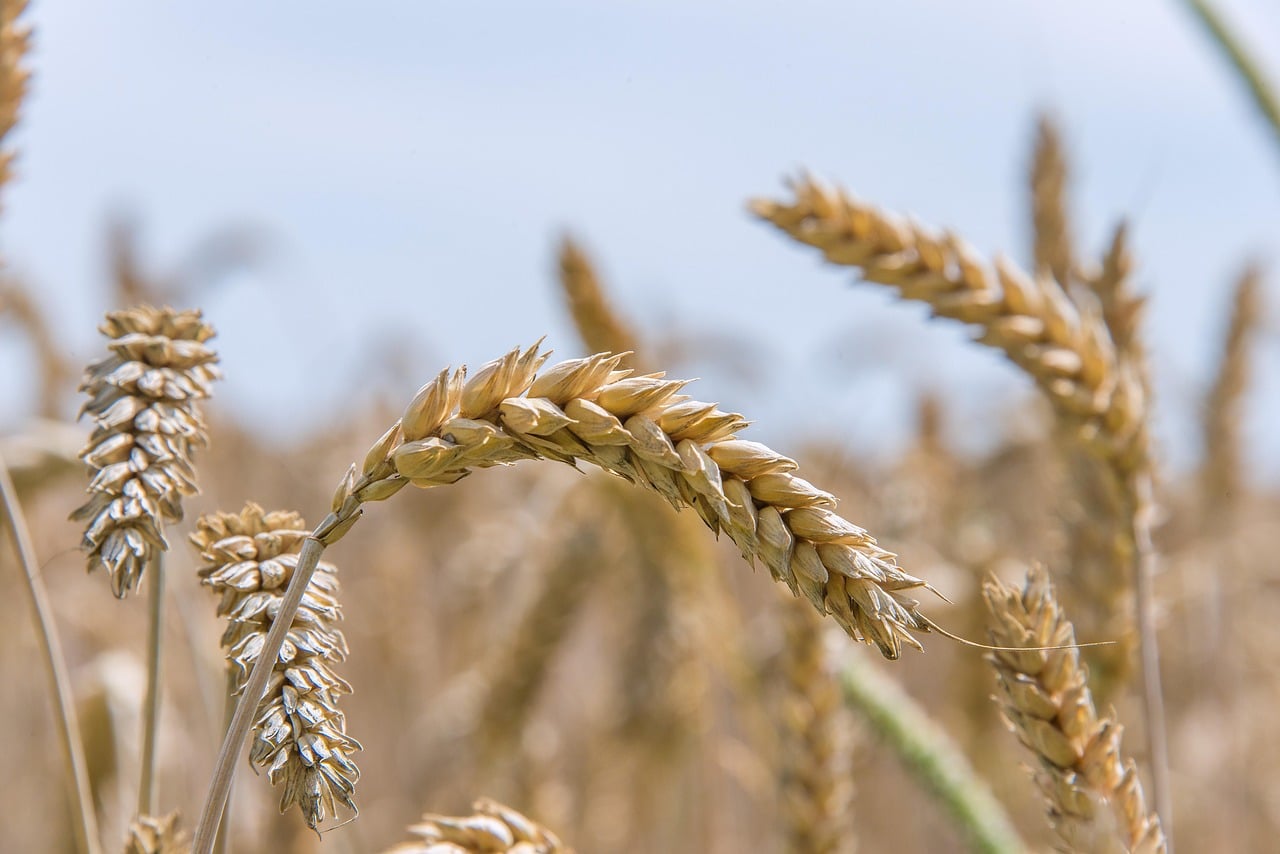
Parshat Ki Teitzei introduces the mitzvah of shikhecha: “When you reap your harvest and forget a sheaf in the field, you shall not turn back to take it; it shall be for the stranger, the orphan, and the widow.” It is striking that an accident, a lapse in memory, becomes a mitzvah. Normally, forgetting is a human flaw, but here the Torah sanctifies forgetting. Even our lapses can become mitzvot when they create space for someone else’s dignity.
Chazal highlight the depth of this mitzvah. The Mishnah in Pe’ah specifies the halachot of what counts as forgotten: If the farmer passes a bundle and leaves it behind, it must remain for the poor. This is not about negligence; it is about creating an ethic of generosity through ordinary human mistakes and imperfection. The Tosefta extends the logic further: If someone drops a coin and a poor person finds it, that too counts as tzedakah.
The Rambam codifies this mitzvah, stressing that it preserves the dignity of the poor, who receive benefit as though it were left intentionally. The Sefer HaChinuch adds that this mitzvah trains the farmer in humility, cultivating the awareness that not everything is his to control nor under his ownership.
Rabbi Joseph B. Soloveitchik zt”l deepens this point. He notes that the Rambam saw these mitzvot as aimed not only at providing material support, but also as shaping us into a people of mercy. A merachem is one who occasionally acts with compassion; a rachman is one whose very character is merciful. The mitzvah of shikhecha takes something as unintentional as forgetting and transforms it into a spiritual practice of mercy.
This perspective resonates with the Rav’s broader theology, which is so deeply important as we have now reached the month of Elul and across the globe students and educators return to classrooms.
In Halakhic Man, the Rav taught that our system of halachah must, by definition, exist in the real world, a world filled with frailty and mistakes. Human imperfection is not an obstacle to religious life, but the building blocks of that life. In Al HaTeshuvah, citing the Gemara in Yoma, the Rav reflected on how sins done intentionally can, through teshuvah done out of love, be transformed into merits. It is not magic nor new-age positive thinking that causes this transformation; instead, the mistakes become part of the journey that propelled the person to growth. The missteps become the soil in which new awareness, empathy, and change take root.
Failure, when engaged honestly, becomes not an embarrassment but the fertile soil of sanctification and holiness.
What does this mean for us in this moment of Elul and in this moment of first-day pictures as a new school-year begins? It means that failure is not only acceptable — it is holy. To forget a sheaf is to open space for another to benefit. To make a mistake is to discover the path to teshuvah. To hit the wrong guitar chord is to learn the way your fingers should move the next time.
All students, all parents, and all teachers: Let us lean into the idea of failing forward. Let us celebrate mistakes as the most fertile ground for growth. Each misstep is a sheaf left behind — an opportunity for someone else’s dignity, for our own teshuvah, for another note on the way to making music.
May this year be one where we all give ourselves permission to “buzz a chord” every now and then, and in doing so, discover new opportunities for humility and new harmonies in our learning, our teaching, and our living as a community deeply committed to Torah and growth.