Rabbi, Special Operations Police Officer, Award Winning Filmmaker
From Hype to Reality: Giving English-Speaking Olim a Real Voice Where Decisions Are Made
Aliyah is one of the most meaningful decisions a person or family can make. It is filled with hope, ideals, and a deep sense of belonging. But once the excitement settles and daily life begins, many English-speaking olim discover a harder truth: navigating Israel’s bureaucracy, economy, job market, licensing systems, and cultural gaps can be overwhelming.
I know this reality personally — not theoretically.
I am Israeli born with roots going back four generations. I am also American-educated. I have made aliyah more than once. I have lived here, left, returned, and returned again — not as a tourist, not as a dreamer, but as someone who understands both systems from the inside.
That dual identity — Israeli and Anglo — is not common. And it matters.
Too often, discussions about aliyah focus on ideology, slogans, or inspiration. Those are important. But inspiration does not solve licensing delays. Passion does not cut through paperwork. Love of Israel does not automatically translate into jobs, recognition of professional credentials, or fair access to opportunity.
What olim need is access.
Access to people who actually hold power.
Access to decision-makers who can move files, change procedures, and fix broken systems.
Access to someone who speaks their language — literally and culturally — and can advocate for them inside Israel’s political and bureaucratic structures.
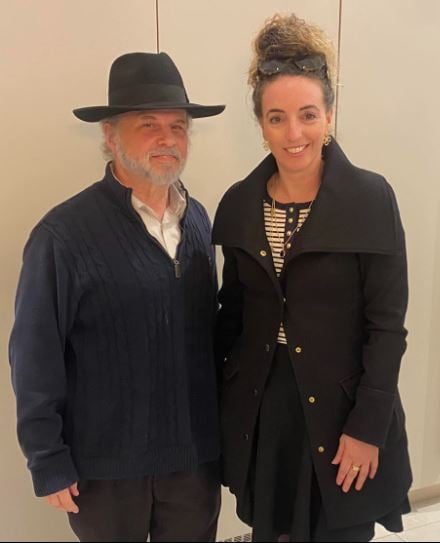
Over the years, I have built relationships with senior figures in Israeli public life, including Members of Knesset such as Idit Silman and others. These relationships are not symbolic. They are working relationships — built on trust, consistency, and shared responsibility for the future of this country.
My goal now is simple and focused:
To serve as a bridge — and a voice — for English-speaking olim.
Doctors whose licenses are trapped in endless loops.
Professionals who arrive with experience but are pushed aside by bureaucracy.
Families struggling to understand systems that were never explained to them.
Young people trying to integrate socially, economically, and culturally.
Israel needs these people. The country benefits from their skills, values, and commitment. But too often, we make it harder than it needs to be for them to stay, succeed, and contribute.
I am not coming with a new ideology.
I am not coming with slogans.
I am coming with access, experience, and responsibility.
As a community leader, and increasingly as a political one, I believe that leadership means listening first — then acting. It means representing real needs, not abstract ideas. And it means standing with people not only when they arrive at Ben Gurion Airport, but months and years later, when the challenges are real and the excitement has worn off.
If you are an English-speaking oleh or family who needs help — with bureaucracy, employment, recognition, or simply being heard — I invite you to connect.
If you are considering aliyah and want honesty, guidance, and real advocacy — not hype — I invite you to connect.
Together, we can turn aliyah from a leap of faith into a sustainable, dignified future — with a real voice where decisions are made.
If you are an English-speaking oleh or family seeking guidance, advocacy, or support, you are welcome to reach me directly at:
realas48@gmail.com
Rabbi Avi Schwartz
Advocate for English-Speaking Olim
Zichron Yaakov